

TL;DR:
- Hotel textiles must withstand high-temperature industrial laundering, maintain hygiene, and meet guest expectations for comfort and safety. A comprehensive inventory includes bath, bed, room, and guest-use categories, with specifications tailored by hotel type and quality standards. Effective textile management requires tracking wash cycles, using antimicrobial and certified fabrics, and adopting a systematic replacement approach.
Textiles are the most physically intimate part of any hotel stay, and they are also among the most operationally demanding items a procurement officer manages. A sheet that pills after twenty wash cycles, a towel that loses its absorbency within months, or a shower curtain that carries microbial contamination does not just affect guest comfort — it directly impacts reviews, repeat bookings, and your housekeeping labor cost. Building a reliable hotel amenities textile list requires balancing guest expectations, hygiene standards, durability under industrial laundering, and total lifecycle cost. This article covers all four dimensions with a structured, category-by-category reference you can use immediately.
Table of Contents
- Key Takeaways
- 1. Key criteria for evaluating hotel amenities textiles
- 2. Detailed hotel amenities textile list by category
- 3. Textile materials and treatments compared
- 4. Textile selection by hotel category
- My take on where hotel textile programs actually fail
- How Gjergjihtextil supports your textile procurement
- FAQ
Key Takeaways
| Point | Details |
|---|---|
| Durability drives value | Textiles that withstand 50+ commercial wash cycles cost less per use than cheaper alternatives that degrade quickly. |
| Hygiene technology matters | Antimicrobial treatments like FUZE® maintain active protection through repeated laundering without chemical coatings. |
| Certifications signal safety | OEKO-TEX and bluesign® certifications indicate non-toxic textiles that meet guest safety and sustainability expectations. |
| Category coverage is non-negotiable | A complete textile inventory checklist spans bath, bed, room, and guest-use categories without exception. |
| Hotel type shapes textile selection | Budget, mid-range, and luxury properties each require a distinct textile strategy tied to operational reality. |
1. Key criteria for evaluating hotel amenities textiles
Before you build or refine your textile inventory checklist, you need a clear set of evaluation criteria. Procurement decisions made without these criteria typically result in textiles that look fine on the surface but fail within one operational season.
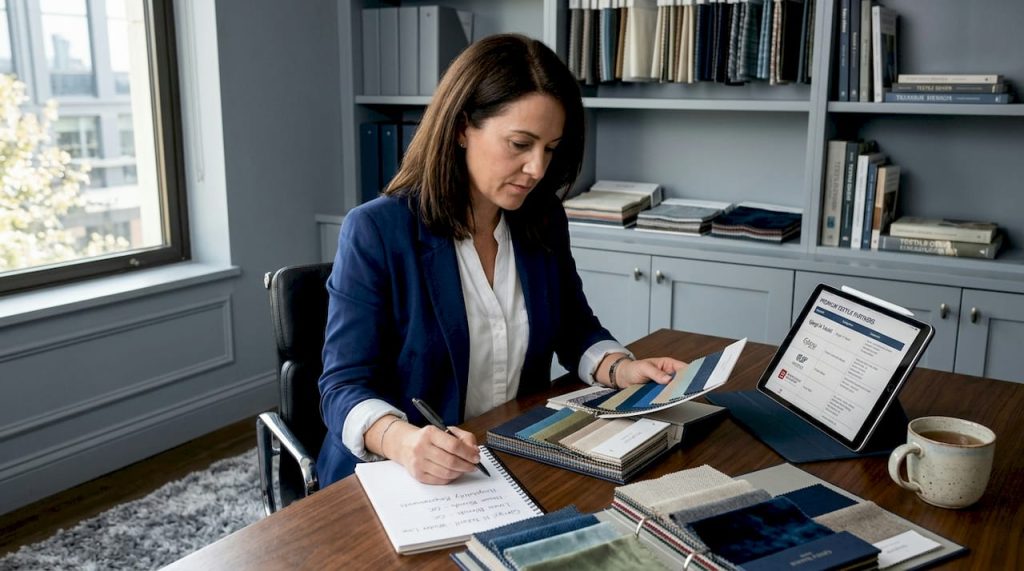
Durability under commercial laundering. Hotel textiles are not washed the way a household item is. Industrial machines run at high temperatures with strong detergents and mechanical friction. Fabrics that cannot hold their structure, color, and weight through 50 or more wash cycles become a cost liability. When evaluating any textile for commercial use, ask for wash-cycle test data, not just thread count.
Hygiene and antimicrobial performance. Standard laundering reduces microbial load, but it does not eliminate contamination between wash cycles. Antimicrobial textile technology like FUZE® bonds permanently to fabric fibers, providing continuous contact-kill protection without coatings or chemical release. Technologies like this are particularly relevant for high-touch items: bath mats, hand towels, and bathrobes.
Comfort and tactile quality. Thread count matters for sheets, but GSM (grams per square meter) is the more reliable indicator for towels. A 600 GSM towel delivers a noticeably different guest experience than a 400 GSM version. When you align textile weight and weave to your guest tier, you spend money where guests actually feel it.
Sustainability and certifications. OEKO-TEX and bluesign® certifications are increasingly demanded not just by eco-conscious guests, but by corporate travel programs and booking platforms that evaluate hotel sustainability profiles. These certifications confirm that textiles are free of harmful substances and produced under responsible environmental conditions.
Cost-effectiveness and lifecycle value. The purchase price is the least useful number in textile procurement. Calculate cost per wash cycle and expected lifespan. A towel that costs 20% more but lasts twice as long is the financially stronger choice every time.
Pro Tip: Request certified wash-test reports from suppliers before ordering in volume. Any supplier that cannot provide them is selling on appearance, not performance.
2. Detailed hotel amenities textile list by category
This section serves as your working reference for hotel textile supplies across all standard property areas. It is structured by category for easy use in inventory planning and procurement specification documents.
Bath textiles
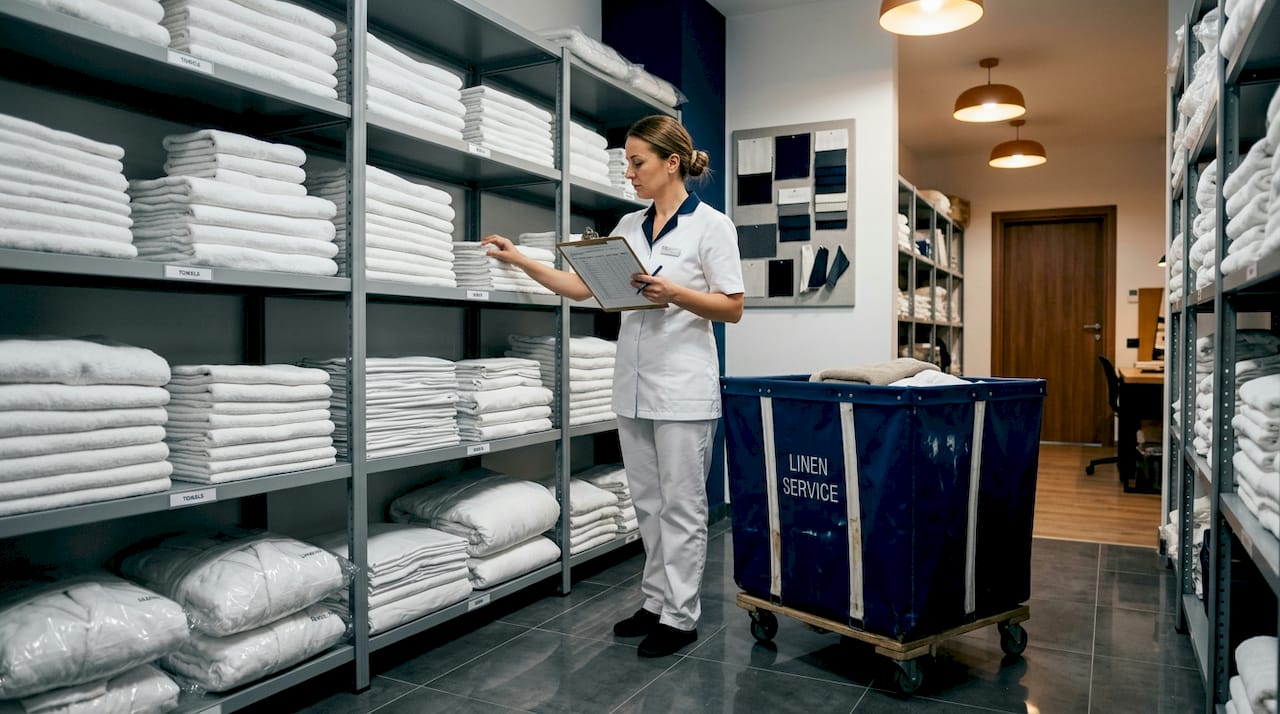
Bath textiles are the category with the highest guest contact frequency and the greatest hygiene sensitivity. Your bath textile inventory should include the following:
- Bath towels: Available in standard (70×140 cm) and oversized (90×160 cm) formats. White is the operational standard because it allows high-temperature bleach washing and gives guests a visual hygiene signal.
- Hand towels: Sized around 50×90 cm. High turnover item requiring a larger inventory ratio per room than bath towels.
- Face cloths (wash mitts): Frequently overlooked in budget property planning. Essential in mid-range and luxury properties.
- Bathrobes: Waffle-weave or terry options. Luxury properties commonly offer premium cotton or cotton-blend robes coordinated with broader room aesthetics.
- Bath mats: Non-slip backing, 50×80 cm standard size. High microbial risk item due to floor contact and consistent moisture exposure.
- Shower curtains: Where applicable. Treated or lined options with antimicrobial properties are preferred over standard polyester.
- Pool and spa towels: Relevant for resort properties. Heavier GSM, often in larger formats.
Bed textiles
Bed linen types in commercial hospitality include several layered components, each requiring its own specification:
- Flat sheets and fitted sheets: Cotton-polyester blends (typically 60/40 or 50/50) are the industry standard for durability and wrinkle resistance. Pure cotton offers a superior hand feel but requires more careful maintenance.
- Pillowcases: Standard (50×75 cm) and king (50×90 cm). Should match sheet fabric specification for uniformity.
- Duvet covers: Usually white for housekeeping efficiency. Zipper or button closure affects durability over time.
- Duvets and pillows: Not always treated as textiles in procurement planning, but they are. Specify fill weight and hypoallergenic certifications at the sourcing stage.
- Mattress protectors: Waterproof and breathable options. Non-negotiable for any property managing liability around mattress damage and hygiene complaints.
- Bed runners and decorative throws: Functional for aesthetics and low-temperature laundering makes these easier to maintain.
Room textiles
Room textiles define the visual atmosphere of a guest space, but they also contribute to sound insulation, temperature regulation, and privacy.
- Blackout curtains and drapes: Lined or interliner options. Fabric weight and opacity rating should be specified, not assumed.
- Sheer panels: Used alongside drapes for layered light control.
- Upholstery fabrics: Applied to chairs, headboards, and ottomans. Commercial-grade upholstery fabric is rated by rub count (Martindale or Wyzenbeek), and hospitality spec typically starts at 25,000 rubs.
- Decorative cushions: Used on beds and seating. Cover fabrics should be removable and washable.
Guest-use textiles
This category is frequently under-specified in textile inventory checklists. It includes:
- Slippers: Non-woven or terry construction. Single-use standard in most properties.
- Laundry bags: Cotton or non-woven fabric. Branded options add a marginal perception value.
- Ironing board covers: Replaced less frequently but still part of the room textile inventory.
- Travel textile items in vanity kits: Fabric nail files, fabric-wrapped soap holders, and small pouches used in premium amenity kits.
3. Textile materials and treatments compared
Knowing what textiles to include is only part of the procurement decision. The materials and treatments behind those textiles determine how they perform under operational conditions.
| Material / Treatment | Durability | Hygiene Performance | Comfort | Cost Level |
|---|---|---|---|---|
| 100% Cotton | Moderate | Standard | High | Moderate |
| Cotton-Polyester Blend | High | Standard | Moderate | Low to Moderate |
| Microfiber | High | Standard | Moderate | Low |
| Organic Cotton | Moderate | Standard | High | Higher |
| Antimicrobial-treated fabric | High | Superior | High | Moderate to Higher |
| Recycled fiber blends | Moderate | Standard | Variable | Moderate |
Cotton-polyester blends dominate mid-range hotel operations because they resist wrinkles, recover their shape through industrial wash cycles, and cost less per unit than pure cotton. Mid-range hotels commonly rely on these blends for sheets and towels while maintaining acceptable comfort standards.
Microfiber is highly durable and fast-drying, which makes it popular for housekeeping efficiency, but guests frequently perceive it as lower quality compared to terry or sateen cotton. Use it in utility-facing roles, not as a primary guest-contact textile.
Antimicrobial treatments represent the most operationally significant development in recent hotel room textiles. The FUZE® technology, for example, is OEKO-TEX Standard 100 Class I certified and EPA registered, meaning it is verified safe for direct skin contact. It contains no PFAS and requires no chemical curing. For procurement officers managing hygiene complaints or positioning a property in the health-conscious travel segment, this is a specification worth building into your standard.
Pro Tip: When comparing textiles from multiple suppliers, request swatches and run them through ten wash cycles in your own laundry before committing to a volume order. How they look and feel after washing is more relevant than how they look in a showroom.
4. Textile selection by hotel category
The right textile program for a 400-room airport business hotel is different from what a 20-room boutique property or a five-star resort needs. These are not interchangeable.
Budget properties should prioritize durability and ease of maintenance above all else. Basic cotton sheets, towels, and standard toiletries reflect the operational model, where cost per occupied room is tightly managed. The key is specifying durable blends with high wash-cycle ratings so replacement frequency stays low. Do not cut costs on mattress protectors in this segment. They protect a more expensive asset and are non-negotiable from a liability standpoint.
Mid-range properties need to balance comfort with operational efficiency. Consider the following priorities:
- Cotton-polyester blend sheets with a minimum 200 thread count for a softer hand feel
- Microfiber or blend towels with antimicrobial treatment as an upgrade from standard options
- Eco-friendly or refillable bathroom amenities coordinated with textile aesthetics
- Consistent color programs (typically all white) that simplify sorting and laundering
Luxury hotels operate in a different dimension. Premium bathrobes and high-quality cotton-blend towels are standard expectations, not differentiators. Differentiation at this level comes from customization. That means monogrammed robes, bespoke pillow menus with clearly labeled fill options, coordinated fabric color programs across all soft furnishings, and certified organic or antimicrobial textiles specified by name.
Specialized properties require targeted adjustments:
- Family-friendly hotels: Specify waterproof mattress protectors in all rooms, hypoallergenic pillow options, and extra towel sets in room inventory.
- Eco-conscious and boutique properties: Prioritize OEKO-TEX or bluesign-certified textiles sourced through supply chains that can provide provenance documentation. Guests in this segment research before they book.
- Resort and spa properties: Invest in higher-GSM pool towels and robes. The tactile quality at the pool and spa creates a disproportionately strong memory compared to the in-room textile experience.
My take on where hotel textile programs actually fail
I’ve worked with enough hospitality properties to recognize a pattern. The problems are almost never about the initial procurement decision. They are about the absence of a system for ongoing textile management.
Most hotels buy reasonably well. They select decent sheets, acceptable towels, and functional curtains. What they do not do is track wash-cycle counts per item, set a formal replacement threshold, or document which textile categories are generating the most guest complaints. The result is a property that runs on aging inventory it cannot quantify.
The other consistent failure is the underinvestment in antimicrobial textiles. I’ve seen properties spend significantly on lobby decor while equipping guest bathrooms with standard towels that can harbor bacteria between laundering cycles. Antimicrobial textiles reduce microbial contamination and improve guest safety in a way that no lobby renovation can replicate. The operational cost difference is smaller than most managers assume.
Sustainability is the third area where I see strategic confusion. Properties claim eco-credentials but cannot name the certifications on their sheets. Certified textiles are not a marketing add-on. They are a procurement standard with measurable supply chain implications. If your supplier cannot provide certification documentation, the claim is not credible to guests, booking platforms, or corporate travel managers.
The real move is to treat your textile inventory the way a finance team treats a capital asset: with a documented lifecycle, a replacement schedule, and a performance standard applied at procurement.
— Xpert
How Gjergjihtextil supports your textile procurement
If you are building or restructuring your property’s textile program, Gjergjihtextil brings over 30 years of hospitality supply chain experience to the table. The company has supplied major international brands including Meliá, Marriott, and Sheraton, which means the quality standards are validated at the highest level of the industry.
Gjergjihtextil covers the full range of hotel textile supplies, from bed linens and bath towels to curtains and robes, with options that include certified and antimicrobial-treated fabrics. For procurement officers who need both product depth and cost control, the company’s import volume from Italy, China, India, and Pakistan creates pricing flexibility that smaller suppliers cannot match. You can also explore textile selection guidance to match specific property types and operational requirements.
FAQ
What should a hotel amenities textile list include?
A complete hotel amenities textile list covers four categories: bath textiles (towels, bathrobes, bath mats, shower curtains), bed textiles (sheets, pillowcases, duvet covers, mattress protectors), room textiles (curtains, upholstery, decorative cushions), and guest-use textiles (slippers, laundry bags, vanity kit items).
What are the best bed linen types for hotels?
Cotton-polyester blends are the standard for most hotel categories because they combine durability with wrinkle resistance through commercial laundering. Luxury properties typically specify pure cotton or high-thread-count cotton blends for superior hand feel and guest perception.
How do antimicrobial textiles work in hotel settings?
Technologies like FUZE® bond permanently to fabric fibers and kill microbes on contact without releasing ions or chemicals. They maintain hygiene performance through 50+ wash cycles, making them effective across the full operational lifespan of the textile.
Which textile certifications matter most for hotels?
OEKO-TEX Standard 100 and bluesign® are the most recognized certifications for hotel room textiles. They verify that fabrics are free of harmful substances and produced under responsible conditions, which directly supports sustainability claims and guest safety assurances.
How often should hotels replace their textiles?
Replacement frequency depends on wash-cycle tracking and defined performance thresholds. A textile that has passed its wash-cycle durability rating, shows visible wear, or generates guest complaints should be replaced regardless of its age in months.