

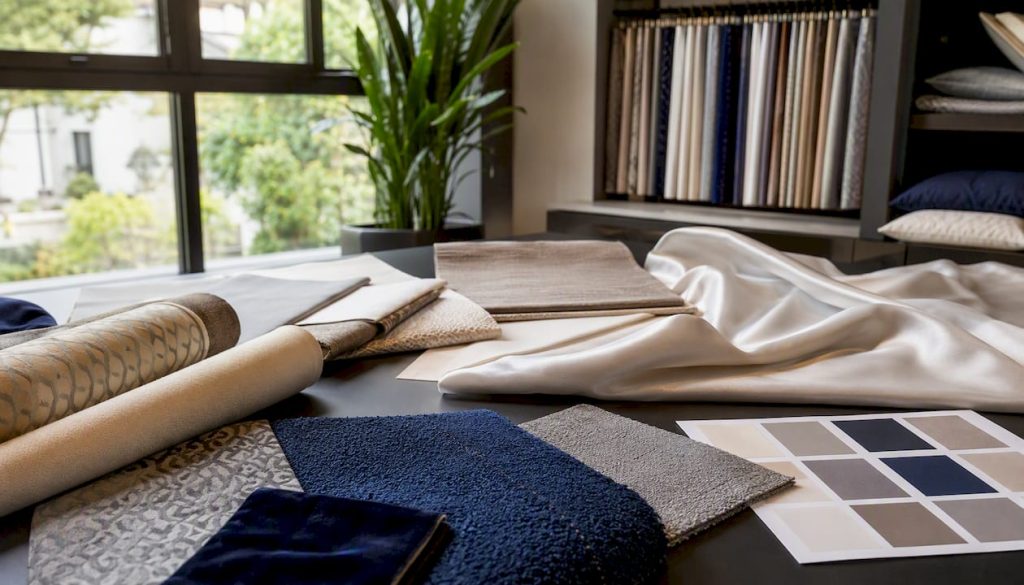
TL;DR:
- Specifying durable textiles with appropriate abrasion, flame-retardant, and cleaning standards ensures longevity in hotel interiors. Proper fabric selection, testing, and clear purchase order specifications reduce replacement frequency and operational issues. A full-service supplier like Gjergjihtextil streamlines sourcing, quality control, and delivery for consistent, high-quality hotel textile programs.
Choose performance-led, place-driven textiles and start by specifying Martindale abrasion thresholds, flame-retardant (FR) compliance, and cleaning codes for every area before you brief a single supplier. That one discipline separates a hotel interior that holds up through three years of industrial washing from one that looks tired after six months. Textile trends for hospitality in 2026 confirm what experienced procurement teams already know: the most compelling hotel interiors are built on a foundation of durability, not decoration alone.
Quick-action checklist for your procurement and design handoff:
- Request minimum Martindale or double-rub ratings by area (see the spec table in Section 7).
- Confirm W or WS cleaning-code compatibility for every upholstered surface before approving a sample.
- Verify FR documentation against the applicable US standard (NFPA 701, ASTM E84, or California TB 117-2013) before placing a purchase order.
Sample-to-approval timeline snapshot:
- Issue RFQ with full spec sheet (composition, weight, cleaning code, FR requirement, abrasion rating).
- Receive and label swatches within two to three weeks.
- Run wash tests at your laundry facility or request factory wash-test certificates.
- Approve or reject samples; request color-lot confirmation.
- Issue purchase order with confirmed lead time.
Table of Contents
- How does industrial laundry affect your textile choices?
- What should you specify area by area?
- What spec lines should you put on every PO?
- How do you plan the procurement timeline?
- Real projects that show the approach working
- What should you expect from a full-service textile supplier?
- Eco-friendly hotel linens and sustainable textile options
- What advanced textile technologies are changing hotel specifications?
- Key Takeaways
- The trade-off every designer has to make honestly
- Gjergjihtextil: a direct supply line from spec to delivery
How does industrial laundry affect your textile choices?
Fabric selection and laundry compatibility are inseparable decisions. A textile that performs beautifully in a showroom can degrade rapidly if it is incompatible with the wash temperatures, chemicals, or mechanical action of your laundry operation. The industrial laundry process for hotel linens typically involves temperatures between 60°C and 85°C, alkaline detergents, and high-speed extraction.
Cleaning codes explained:
- W (Water-based cleaner): Safe for wet cleaning; the most laundry-compatible option and the preferred choice wherever possible.
- WS (Water or solvent): Flexible, but confirm with your laundry supplier before specifying.
- S (Solvent only): Avoid for any high-contact or frequently cleaned surface in a hotel context.
Chlorine bleach is common in commercial laundry for white linens. Specify chlorine-safe fibers (polyester-cotton blends or 100% polyester) for items that will be bleached. Avoid chlorine-sensitive dyes on any linen that enters a shared laundry stream.
Wash-test protocol before approval:
- Submit a minimum of three sample swatches per fabric to your laundry facility.
- Run five full wash cycles at the intended operating temperature.
- Assess for shrinkage, color shift, pilling, and FR integrity.
- Request factory wash-test certificates as a baseline for comparison.
- Approve only fabrics that show less than 3% dimensional change and no visible FR degradation.
Towel weights between 400 and 600 g/m² affect both guest perception and laundry economics. Heavier towels feel more luxurious but take longer to dry, which increases energy costs and cycle times. Match towel weight to your laundry capacity, not just your brand positioning.
Replacement cycle benchmarks by area:
- Bedding (sheets, pillowcases): 200–300 wash cycles, typically 18–24 months in a full-service hotel.
- Towels: 100–150 wash cycles before visible degradation, depending on bleach frequency.
- Upholstered seating: 3–5 years with correct cleaning code compliance and spot-cleaning protocols.
- F&B table linens: 12–18 months under heavy daily use.
Pro Tip: Track wash cycle counts per linen category in your property management system. Replacing textiles on a cycle-count basis rather than a calendar basis reduces both waste and unexpected failures during peak occupancy.
What should you specify area by area?
Concrete material picks, organized by hotel area, give your spec sheet a working foundation.
Guest rooms
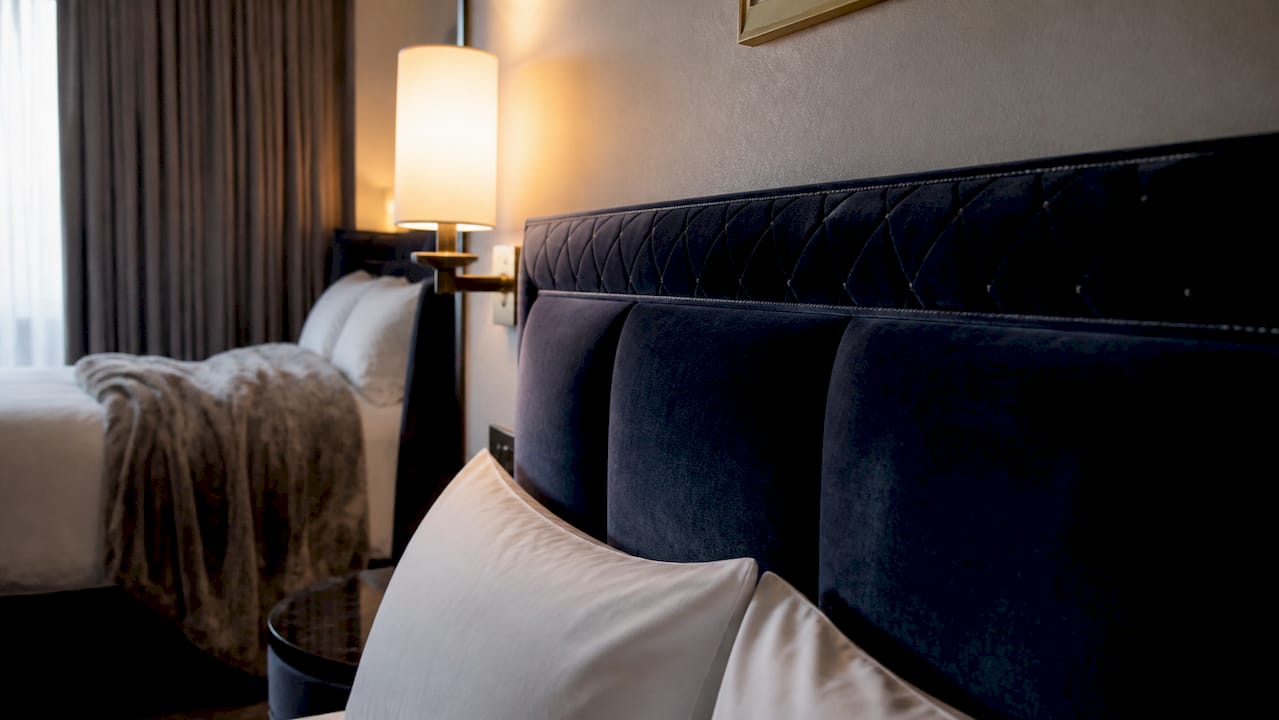
Headboards benefit from performance velvets or bouclé with a tight backing construction. Bedding should be 200–300 thread count percale or sateen in a polyester-cotton blend for industrial laundry compatibility. Curtains need NFPA 701-compliant blackout lining with a sheer layer for daytime light control. Bespoke, coordinated textile programs that tie bedding, upholstery, and soft furnishings into a single specification produce a coherent brand experience and simplify housekeeping logistics.
Public spaces and lobbies
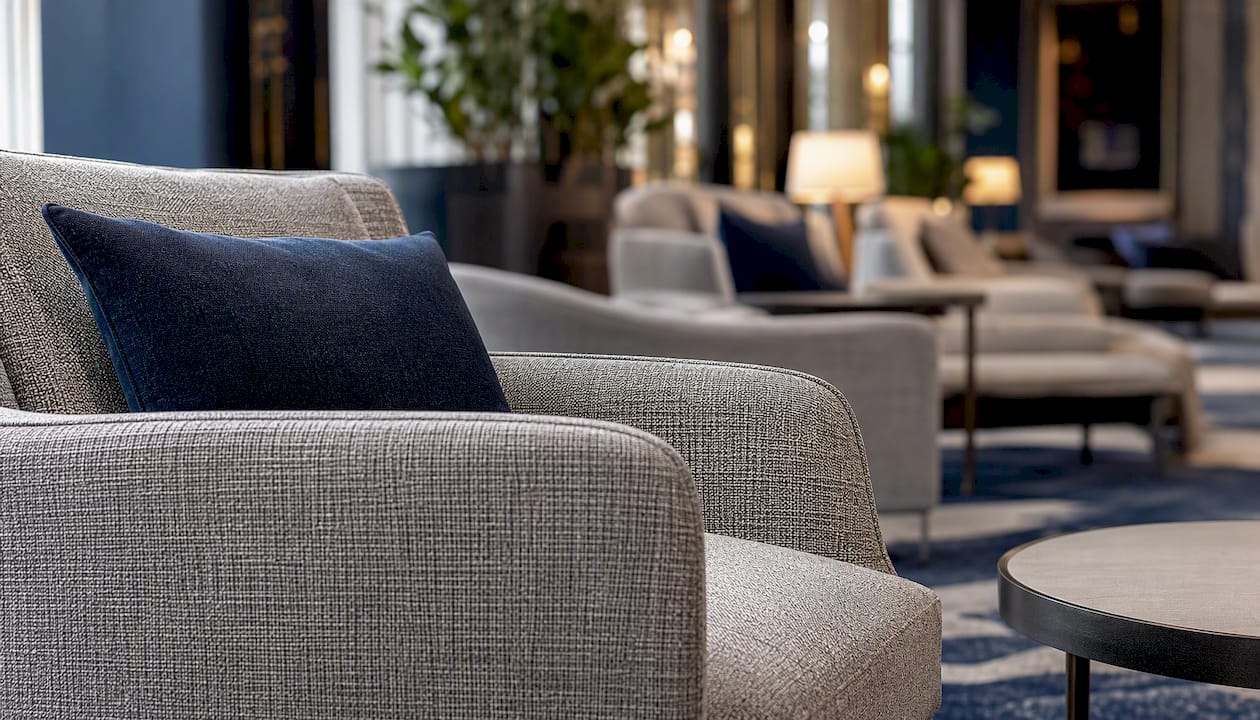
Contract-grade wovens and performance vinyls dominate lobby seating for good reason: they combine a refined appearance with the abrasion resistance required for continuous use. Wallcoverings in Type II vinyl offer both durability and design flexibility, with embossed textures that read as premium without the maintenance burden of natural materials.
Food and beverage areas
Wipe-clean faux leather or vinyl for chair seats is non-negotiable in any F&B environment. Table linens in polyester-cotton blends or 100% polyester resist staining and hold color through repeated bleach cycles. For restaurant table linens and napkins, weight and drape matter as much as durability: a napkin that feels substantial signals quality to the guest. Staff uniforms should be specified in a moisture-wicking, easy-care fabric that maintains appearance through a full service shift.
Spa and wellness areas
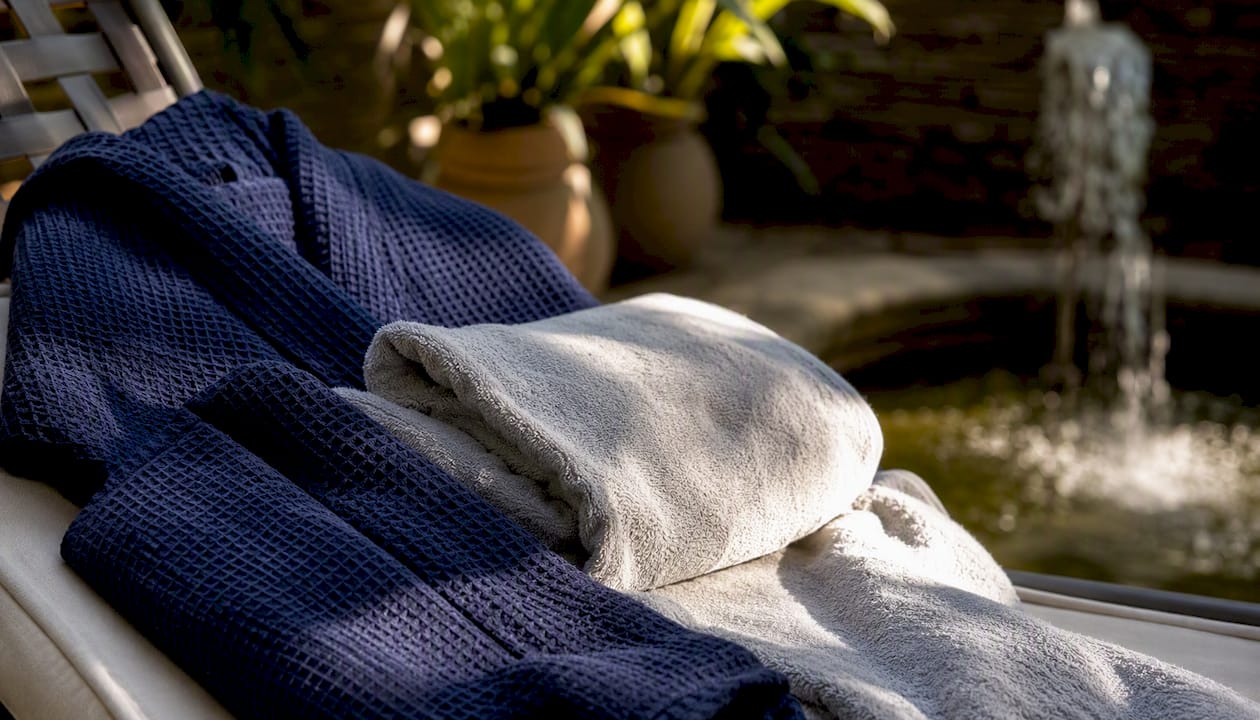
Towels in the 400–600 g/m² range balance absorbency with practical drying times. Robes should be in a waffle or terry construction with a minimum 350 g/m² weight. Upholstered treatment surfaces need moisture-resistant, antimicrobial-treated fabrics with a W cleaning code.
| Area | Recommended Material | Key Performance Note |
|---|---|---|
| Guest room headboard | Performance velvet or bouclé | — |
| Lobby seating | Contract woven or performance vinyl | — |
| F&B chair seat | Faux leather or vinyl | Wipe-clean, inherent FR |
| Spa towels | Terry, 400–600 g/m² | Chlorine-safe, fast-drying |
| Drapery | FR-treated sheer + blackout lining | NFPA 701 compliant |
What spec lines should you put on every PO?
A purchase order without complete textile specifications is an open invitation for substitution. Every quote and sample approval document should include the following lines.
Specification checklist for RFQs and POs:
- Fiber composition and percentage (e.g., 60% polyester / 40% cotton)
- Fabric weight in g/m²
- Width in inches or centimeters
- Martindale abrasion rating (cycles to breakdown) or double-rub count
- Colorfastness to washing: minimum Grade 4 on the ISO 105-C06 scale
- Colorfastness to light: minimum Grade 4 on the ISO 105-B02 scale
- Cleaning code (W, WS, or S)
- FR test reference and certificate number (NFPA 701, ASTM E84, or California TB 117-2013 as applicable)
- Dye lot reference for color-matched orders
| Spec Line | Guest Room | Lobby Seating | F&B Seating |
|---|---|---|---|
| Martindale / Double Rubs | Industry-appropriate levels for guest rooms, lobby seating, and F&B seating | ||
| Colorfastness (wash) | Grade 4 | Grade 4 | Grade 4–5 |
| Colorfastness (light) | Grade 4 | Grade 4–5 | Grade 4 |
| Cleaning Code | W or WS | W or WS | W |
| FR Standard | TB 117-2013 | ASTM E84 / NFPA 701 | NFPA 701 |
Request labeled physical swatches with the test certificate attached. A swatch without documentation is not an approved sample. For hotel textile selection, having these spec lines on every PO also protects you when a supplier changes a fabric mid-production run.
How do you plan the procurement timeline?
Lead times vary significantly between off-the-shelf contract goods and bespoke weaves or prints. Planning around those differences prevents the most common cause of installation delays: fabric arriving after the furniture.
Procurement checklist:
- Issue RFQ with full spec sheet (see Section 7).
- Collect and label samples; run wash tests.
- Approve samples and confirm dye lots.
- Issue PO with delivery window and installation date.
- Coordinate fabric delivery with upholsterer or installer schedule.
- Inspect delivery against spec sheet before acceptance.
| Procurement Stage | Off-the-Shelf Contract Goods | Bespoke Weave or Print |
|---|---|---|
| Sample lead time | 1–2 weeks | 3–6 weeks |
| Production lead time | 4 weeks | 12 weeks |
| Wash-test window | 1–2 weeks | 1–2 weeks |
| Installation buffer | 1 week | 2 weeks |
| Total project window | 7 weeks | 18–30 weeks |
Budget allocation follows the same logic. Spend on custom textiles where they are visible and tactile: headboards, lobby anchor seating, and signature F&B linens. Allocate budget to higher-quality standard goods for back-of-house and high-turnover items like poolside towels and staff uniforms. Sourcing strategy and supplier capability directly affect whether you hit that timeline or spend weeks chasing substitutions.
Real projects that show the approach working
Dreamweaver at De Groene Afslag (Netherlands): This installation demonstrates that surplus textiles can anchor a durable, immersive hospitality environment without sacrificing performance. Surplus Sunbrella fabrics were laser-cut and hand-woven into a long-term installation that retains fade resistance, stain resistance, and water repellence. The creative brief was circularity; the performance outcome was a contract-grade installation.
The Burman Hotel textile program: A coordinated specification covering technical bedding, refined dining linens, and custom robes produced a unified guest experience across rooms and F&B outlets. The Beltrami program for The Burman Hotel shows how a single integrated textile specification simplifies housekeeping logistics and creates brand coherence that guests notice without being able to articulate exactly why.
Bulgari Hotel Tokyo: HOSOO woven textiles on bed throws and suite surfaces embedded a craft narrative into the guest experience. The result is a room that communicates place and quality through touch, not just visual design.
[Image caption: Request project photography showing installed textiles in context, including close-up texture shots and full-room views.]
What should you expect from a full-service textile supplier?
A supplier that controls design, production, testing, and logistics removes the coordination risk that derails most hotel textile rollouts. The value is not just convenience; it is accountability. When one supplier owns the full chain from import to delivery, there is no gap between the factory test certificate and the fabric that arrives on site.
Services to expect from a capable hospitality textile partner:
- Specification support: translating your design brief into a compliant spec sheet.
- Swatch and sample coordination: labeled samples with test certificates attached.
- In-house production: custom weaves, prints, and color-matched runs.
- Quality testing: factory-level abrasion, colorfastness, and FR testing before shipment.
- Logistics: coordinated delivery windows that align with your installation schedule.
Supplier vetting checklist:
- Request factory test certificates for abrasion, colorfastness, and FR compliance.
- Ask for client references from comparable hotel projects (similar room count and service level).
- Confirm in-house production capability versus third-party sourcing.
- Verify minimum order quantities against your project volume.
Pro Tip: Ask your supplier for a consolidated color-run guarantee across all fabric categories in a single project. Mismatched dye lots between the headboard fabric and the cushion covers are one of the most common and most avoidable quality failures in hotel fit-outs.
Consolidated warranty, coordinated color runs, and single-source accountability are the commercial benefits that justify working with an integrated supplier over assembling a project from multiple vendors.
Eco-friendly hotel linens and sustainable textile options
Sustainability in hotel textiles has moved past recycled-content percentages into a broader conversation about traceability, chemical safety, and end-of-life planning. The most credible programs combine certified recycled fibers with low-impact dye processes and a documented plan for what happens to the textile when it leaves service.
OEKO-TEX Standard 100 certification covers chemical safety across the full production chain, including dyes, finishing agents, and auxiliary chemicals. For properties targeting LEED or WELL certification, specifying OEKO-TEX-certified textiles contributes to indoor air quality credits. Bluesign certification addresses water and energy use in fabric production, which is relevant for properties with supply chain transparency commitments.
Organic cotton, recycled polyester (rPET), and Tencel (lyocell from sustainably sourced wood pulp) are the three fiber categories with the most credible sustainability credentials and the broadest availability in contract-grade constructions. Each has trade-offs: organic cotton requires more water than conventional cotton; rPET sheds microplastics in washing; Tencel has a narrower range of contract-grade constructions available. Specify based on your property’s sustainability priorities and your laundry operation’s capabilities.
Sustainable textile trends are also shaping guest expectations. Properties that communicate their textile sourcing story, whether through in-room cards, brand materials, or digital channels, convert a procurement decision into a guest-facing differentiator.
What advanced textile technologies are changing hotel specifications?
The most practically useful innovations in hotel textiles are not the most dramatic ones. Durable water repellent (DWR) finishes, stain-repellent coatings like C6 fluorocarbon-free treatments, and odor-control technologies built into the fiber are already available in contract-grade constructions and are worth specifying in high-contact areas.
Phase-change materials (PCMs) embedded in bedding regulate temperature by absorbing and releasing heat, which addresses one of the most common guest comfort complaints. PCM-treated mattress pads and pillow protectors are available from several contract suppliers and require no special laundry handling.
Antimicrobial silver-ion treatments, applied either topically or built into the fiber, are standard in spa and wellness textiles. The key specification question is whether the treatment is wash-durable: ask for test data showing antimicrobial efficacy after 50 wash cycles, not just on the original fabric.
Smart textiles with embedded sensors remain largely in the pilot phase for hospitality applications. Pressure-sensing mattress covers and temperature-monitoring pillow systems exist, but the maintenance and replacement economics do not yet favor wide deployment in most hotel categories. Monitor the category, but do not build a specification around it for a project delivering in the next 12 months.
Stain-repellent coatings have advanced significantly with the shift away from PFAS (per- and polyfluoroalkyl substances) chemistry. C6 and C4 fluorocarbon-free alternatives now meet commercial performance standards for most F&B and lobby applications, and several US states have enacted restrictions on PFAS in textiles that make specifying fluorocarbon-free finishes both a compliance and a sustainability decision.
Key Takeaways
Specifying hotel textiles correctly from the start, with documented performance thresholds and FR compliance, is the single most effective way to protect both the design investment and the guest experience over a multi-year lifecycle.
| Point | Details |
|---|---|
| Specify Martindale by area | Request minimum 25,000 Martindale for all guest-facing upholstered areas: guest rooms, lobbies, restaurant seats, and spa upholstery. |
| Require W or WS cleaning codes | Avoid S-only fabrics on any surface that needs frequent or wet cleaning. |
| Demand FR documentation | Accept only third-party test certificates referencing NFPA 701, ASTM E84, or California TB 117-2013. |
| Plan procurement lead times | Lead times for bespoke or off-the-shelf textiles vary significantly and should be planned accordingly. |
| Gjergjihtextil as supply partner | Gjergjihtextil provides wholesale hotel textiles with specification support, in-house production, and coordinated logistics for hospitality projects. |
The trade-off every designer has to make honestly
The tension between texture and cleanability is real, and it does not resolve itself. A bouclé headboard reads beautifully in a render and feels exactly right in a guest room, but it requires a WS or dry-clean protocol that most hotel housekeeping teams will not follow consistently. That gap between the design intent and the operational reality is where most hotel textile programs quietly fail.
The practical answer is not to abandon textured materials. It is to be honest about where the cleaning protocol will actually be followed and to specify accordingly. In a luxury property with trained housekeeping staff and a dedicated spot-cleaning program, bouclé on a headboard is defensible. In a mid-scale property running 300 rooms with a lean housekeeping team, a performance velvet with a W cleaning code will outlast it by two years and cost less to replace.
When presenting textile decisions to operations teams, bring the wash-test data, not just the swatch. A housekeeping manager who sees a fabric survive five industrial wash cycles without color shift or pilling will accept an aesthetic choice they might otherwise resist. Cross-team sampling sessions, where design, housekeeping, and procurement review swatches together, consistently produce better outcomes than decisions made in isolation. The operations team will surface practical objections early; the design team will find creative solutions that still meet the brief.
Gjergjihtextil: a direct supply line from spec to delivery
For procurement teams that need hotel textiles specified, produced, and delivered without managing five separate vendor relationships, Gjergjihtextil offers a consolidated supply chain covering wholesale bed linens, towels, duvets, curtains, F&B table linens, spa textiles, and custom uniforms. The practical advantage is single-source accountability: one supplier controls import, production, quality testing, and logistics, which compresses lead times and eliminates the dye-lot mismatches that come from assembling a project across multiple vendors.
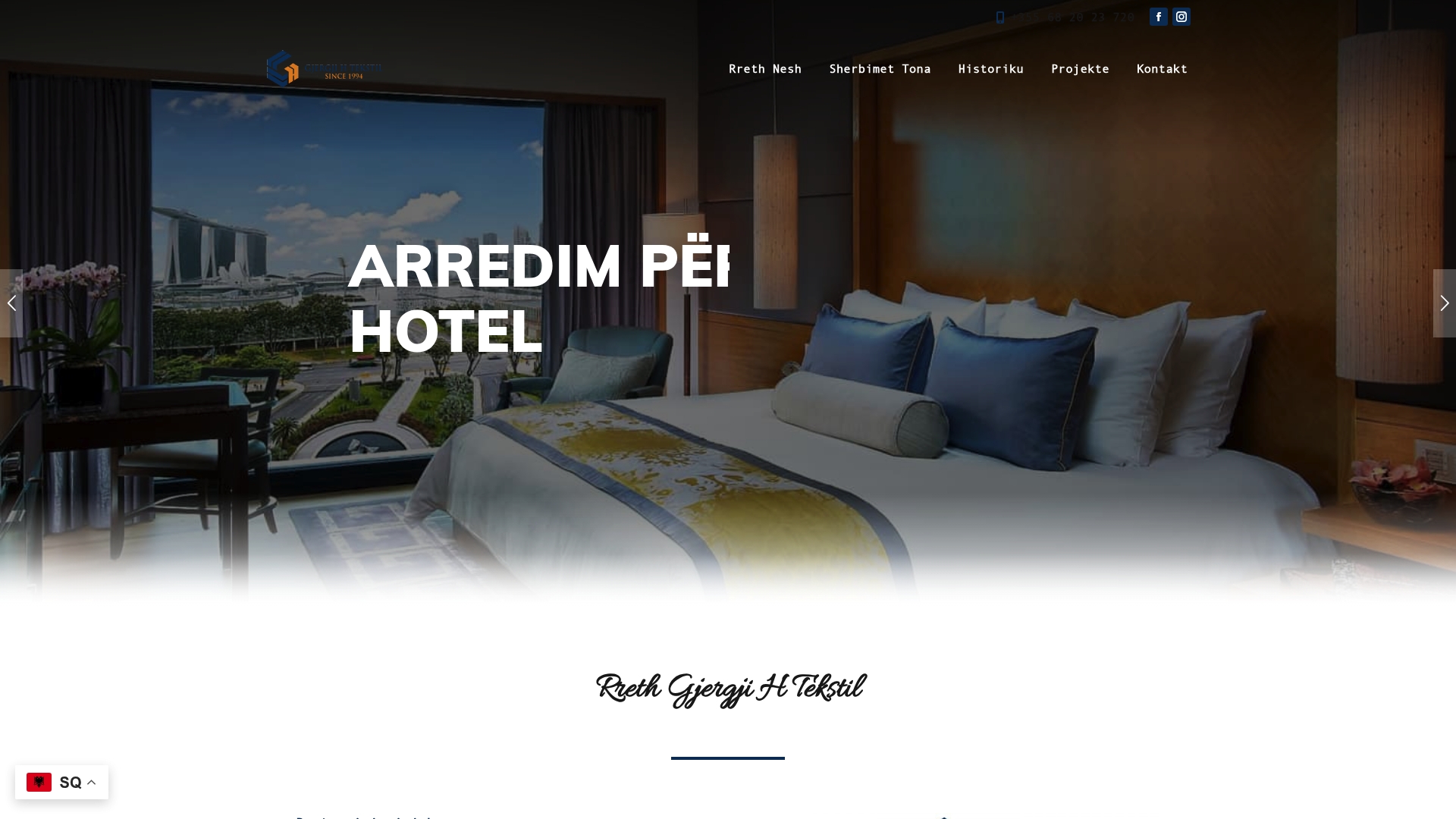
Gjergjihtextil has supplied major international hotel brands including Meliá, Marriott, and Sheraton, which means the quality standards and documentation requirements for those projects are already built into the production process. Custom production, coordinated color runs, and specification support are available for projects of any scale.
Visit the hotel textiles supply page to review the full range, or go directly to hotel textile selection guidance to start building your spec sheet. Contact the team to request samples and a project consultation.