

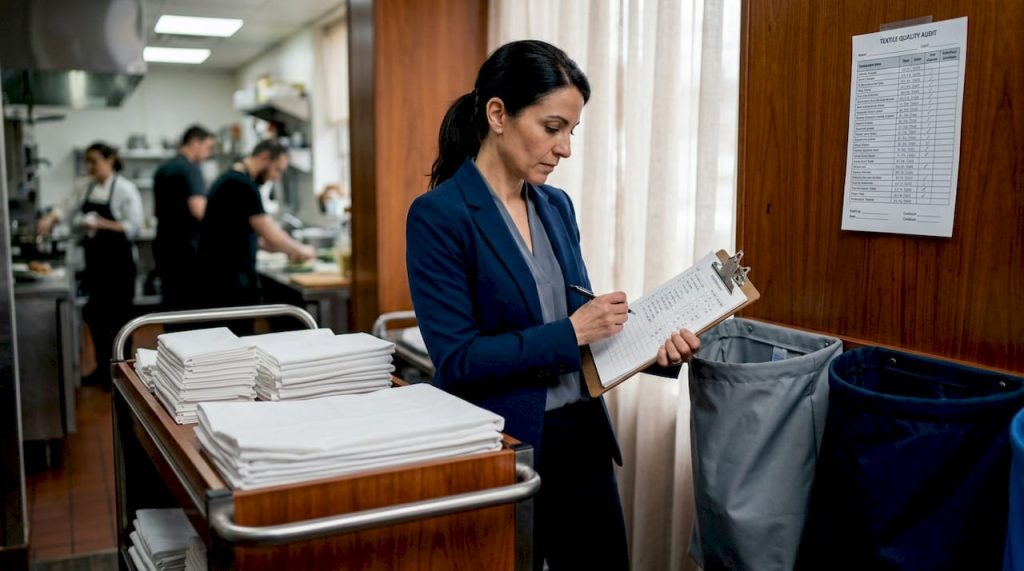
TL;DR:
- A reliable restaurant linen care workflow is essential for guest experience and operational stability in Albanian restaurants. Proper planning, sorting, washing, inspecting, storage, and distribution of linens prevent visible flaws and extend fabric lifespan. Outsourcing options and advanced tracking technology can optimize efficiency while maintaining consistent table presentation and brand standards.
A frayed tablecloth, a napkin with yesterday’s lipstick trace, or a shortage of clean linens mid-service. These are not minor inconveniences — they are visible signals to your guests that something is wrong. For restaurant owners and managers in Albania, building a reliable restaurant linen care workflow is one of the most direct investments you can make in guest experience and day-to-day operational stability. This guide walks you through every stage of that workflow, from inventory planning to table-side presentation, so you can stop putting out fires and start running a process that works every shift.
Table of Contents
- Preparing your restaurant linen program
- Step-by-step restaurant linen care workflow
- Ensuring consistent linen quality and presentation
- Optimizing your linen workflow with outsourcing and technology
- Rethinking linen care: a strategic asset, not a back-office chore
- Enhance your restaurant linen care with Gjergji H Tekstil solutions
- Frequently asked questions
Key Takeaways
| Point | Details |
|---|---|
| Structured workflow steps | Follow a six-step linen care process from collection to distribution to maintain quality and operational efficiency. |
| Inventory discipline | Use par levels and categorization to size inventory correctly and avoid shortages or excess. |
| Rigorous quality control | Inspect linens at multiple points to prevent damaged or stained items from reaching guests. |
| Technology benefits | Adopt digital tracking like RFID to optimize inventory and reduce costs through just-in-time purchasing. |
| Outsourcing advantages | Consider linen rental services to offload labor, stabilize supply, and ensure consistent cleaning quality. |
Preparing your restaurant linen program
A solid restaurant linen care workflow does not start at the washing machine. It starts with what you order, how much you stock, and how your team is trained to handle textiles from the moment they arrive. Get this foundation wrong, and every downstream step suffers.
The first thing to establish is your par level, meaning the minimum quantity of each linen category you need to keep operations running through a full laundry cycle. Inventory sizing and ordering workflow can be built around multiple linen categories, including napkins, tablecloths, kitchen towels, aprons, and restroom textiles. A well-run restaurant typically maintains three sets in rotation: one in use, one in the laundry, and one clean and ready to deploy.
Linen categories every restaurant should track:
- Tablecloths — sized by table dimensions, tracked per seating zone
- Napkins — highest turnover item, requires the deepest stock
- Service towels — kitchen and bar use, separate from guest-facing linens
- Aprons — staff workwear, should be isolated from food-contact linens
- Restroom textiles — hand towels and mat covers, if applicable
Color-coded collection bags are one of the most practical tools in linen program planning. Assign a bag color to each category, train your team on sorting before collection, and you eliminate one of the most common causes of fabric damage: washing incompatible materials together. A linen program succeeds when it becomes a discipline of inventory control, correct sorting, and staff accountability.
Par level planning reference table:
| Linen category | Recommended par multiplier | Notes |
|---|---|---|
| Napkins | 3x seating capacity | Highest daily turnover |
| Tablecloths | 2.5x table count | Accounts for spills and mid-shift changes |
| Kitchen towels | 4x daily staff count | Heavy soiling, frequent replacement |
| Aprons | 2x staff on shift | Includes backup for accidents |
| Restroom textiles | 2x daily covers | Based on expected traffic |
Pro Tip: Before your next linen order, do a physical count of what you actually have in rotation versus what your par level demands. Most restaurants discover a 20 to 30 percent gap they have been absorbing through last-minute workarounds.
Now that you understand the key preparations, let’s walk through the detailed linen care workflow steps.
Step-by-step restaurant linen care workflow
The linen cleaning process in a restaurant environment is sequential. Each step depends on the one before it. Skip a step, and you will pay for it either in fabric damage, shortened linen lifespan, or a guest-facing quality failure.
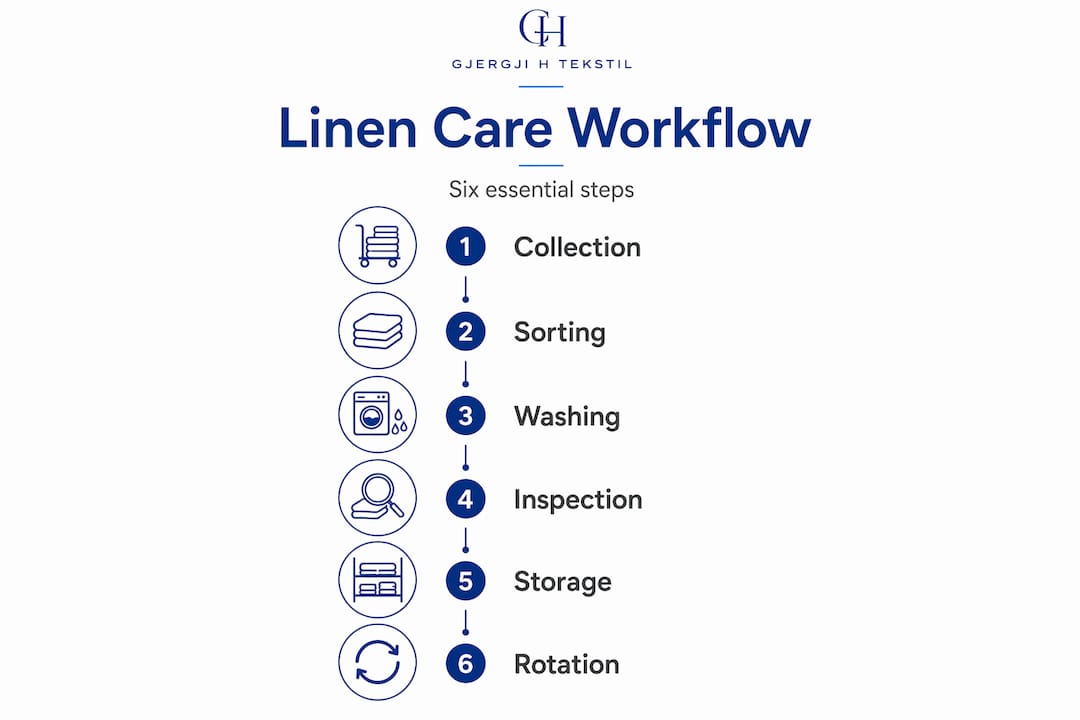
The six core steps of an effective workflow:
-
Collection with category separation. Soiled linens should be collected immediately after each service into pre-labeled or color-coded bags. Never pile different categories together at this stage. A practical restaurant linen care workflow begins with disciplined collection and moves through sorting, washing, inspection, storage, and controlled distribution.
-
Sorting by color, fabric type, and stain level. White napkins go with whites. Colored runners stay with colors. Heavily stained items get pre-treated or set aside for specialist handling. This step protects fabric integrity and prevents color bleed, which is irreversible.
-
Washing to commercial laundry standards. Follow the manufacturer’s temperature and chemical guidance for each fabric type. Cotton tolerates higher heat; blended fabrics often need gentler cycles. Cutting corners here causes shrinkage, fiber breakdown, and accelerated yellowing.
-
Inspection before storage. Every piece that comes out of the wash should pass through an inspection checkpoint. Skipping correct sorting and inspection leads to permanent fabric damage and inventory shortages. Remove anything stained, torn, or off-color before it re-enters your active stock.
-
Dry storage in clean, ventilated conditions. Damp linens stored in closed spaces grow mildew. Store folded linens on shelving above floor level in a dry, well-ventilated area. This also protects against pest contamination, a real risk in back-of-house storage areas.
-
Controlled distribution with inventory tracking. Issue linens by shift, not on demand. Use a simple sign-out log or digital tracking system to record what goes out and what comes back. Blind issuing, meaning handing out linens with no tracking, is the fastest route to unexplained shortages.
Common linen damage causes and prevention:
| Damage type | Most likely cause | Prevention |
|---|---|---|
| Yellowing | Overbleaching or high-heat drying | Use correct chemical dosing and lower dryer settings |
| Tearing | Washing with sharp items or overloading | Separate linens from flatware; do not overstuff machines |
| Color fading | Wrong temperature or mixed loads | Sort rigorously; follow fabric care labels |
| Shrinkage | Excessive heat during wash or dry | Follow temperature guidelines per fabric type |
| Mildew odor | Damp storage | Ensure full drying before folding and storing |
Pro Tip: Build a simple tracking sheet where staff record each linen item that exits service due to damage. Over 90 days, this gives you a clear picture of which items have the worst attrition rate and whether the cause is operational or a fabric quality issue.
With the workflow steps covered, let’s examine how to maintain consistent presentation and control quality continuously.
Ensuring consistent linen quality and presentation
The restaurant linen presentation process is where back-of-house discipline meets guest-facing impact. A clean tablecloth with an uneven lay, or a beautifully pressed napkin placed off-center, still tells the guest that attention to detail is inconsistent.
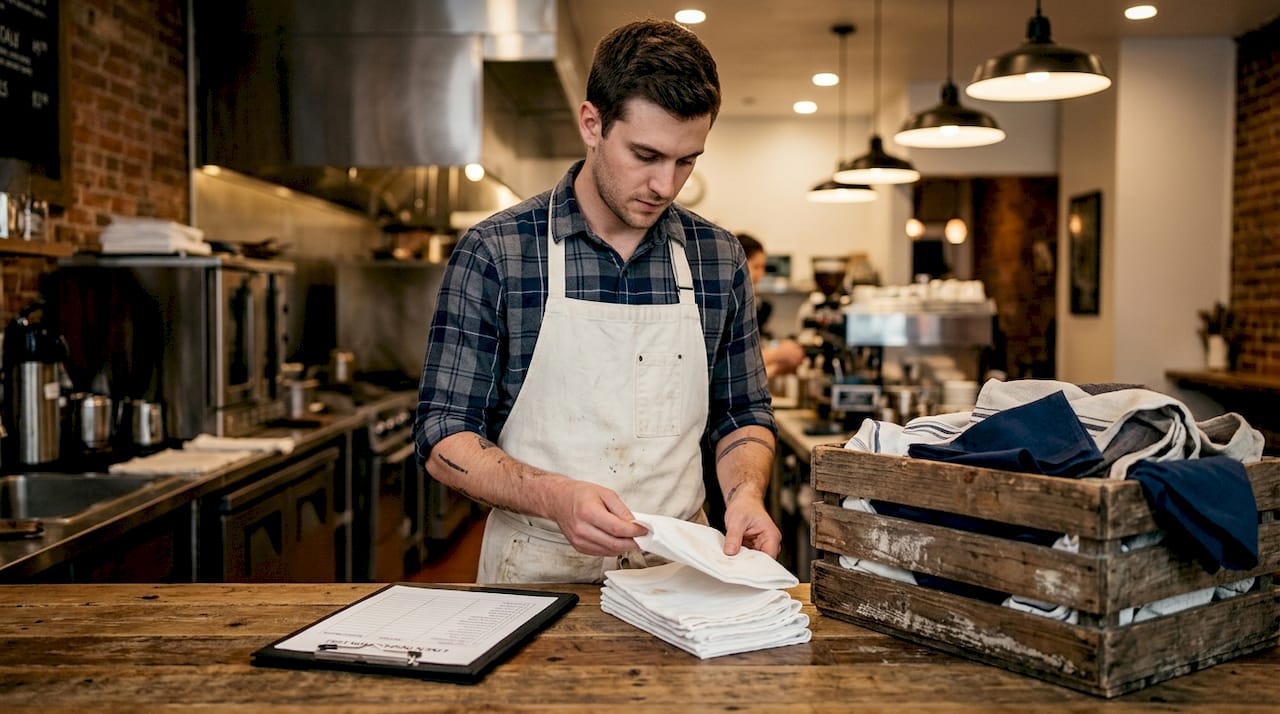
Quality control during distribution is your last line of defense. Build multiple inspection checkpoints into the workflow rather than relying on a single review. Inspection checkpoints should filter out stains, tears, and off-color linens before delivery, preventing surprises during table setup. A two-person check at the folding and distribution stage takes two extra minutes per shift and saves you from a guest complaint.
“Treat linen as a presentation system: standardize napkin folding and tablecloth geometry to maintain visual consistency throughout service.”
Standardization is the practical mechanism behind consistency. Choose two or three napkin fold styles that reflect your restaurant’s positioning: a simple fold for casual dining, a more structured presentation for fine dining service. Train every front-of-house staff member on the same technique and make it non-negotiable. The goal is that every table, across every shift, looks set by the same hand.
Practical steps to maintain guest-facing linen standards:
- Schedule linen distribution 20 to 30 minutes before each service begins, giving staff time to spot and replace any substandard pieces
- Designate one person per shift as the linen quality check point, not a full-time role but a clear responsibility
- Link tablecloth placement to a physical reference, such as an overhang measurement, so the setup is consistent regardless of who is laying the table
- Use textile selection tips when sourcing to ensure your chosen fabrics hold their shape and color through heavy commercial laundry cycles
Consistent linen presentation does not happen by accident. It happens because the system behind it, the collection, washing, inspection, and distribution, is tight enough that quality linens are always available at the right time.
Next, we’ll explore options to optimize your linen workflow through outsourcing and technology.
Optimizing your linen workflow with outsourcing and technology
Once your core workflow is functioning, the next question is whether to handle everything in-house or bring in external support. Both paths are valid. The decision depends on your volume, staff capacity, and how much operational overhead you are willing to carry.
Outsourced linen services operate on scheduled pickup and delivery cycles, handling cleaning, inventory tracking, and automatic replacement of worn items. For a restaurant running two services a day, six days a week, this can eliminate a significant portion of the labor load on your back-of-house team. The tradeoff is reduced direct control over cleaning standards and turnaround timing.
On the technology side, RFID-based tracking is the most impactful tool available for restaurants managing more than 500 linen pieces. RFID-based linen management systems enable real-time inventory visibility and consumption tracking that reduces par levels and generates measurable cost savings. You know exactly how many pieces are in use, in the laundry, or in storage at any moment, which eliminates both over-ordering and emergency restocking.
In-house versus outsourced linen management:
| Factor | In-house | Outsourced |
|---|---|---|
| Cost structure | Variable, depends on labor and equipment | Fixed, predictable monthly fee |
| Quality control | Full control over process | Dependent on vendor standards |
| Staff time required | Significant | Minimal |
| Linen ownership | You own all stock | Often rental model |
| Flexibility | High | Limited by vendor schedule |
| Best suited for | High-volume venues with laundry facilities | Mid-size restaurants without laundry infrastructure |
For most Albanian restaurants that currently handle linen in-house without formal SOPs, a phased approach works well. Start by implementing the linen workflow optimization practices internally, then evaluate whether outsourcing specific stages, such as the commercial wash cycle itself, makes sense for your volume.
Pro Tip: Even if you outsource laundering, keep the collection, sorting, and inspection stages in-house. These are the steps that determine what quality goes in and what quality comes back, and they require your operational standards, not a vendor’s.
Having covered operational improvements, let’s share a unique perspective on linen management that can reshape how you view this critical workflow.
Rethinking linen care: a strategic asset, not a back-office chore
Here is what most restaurant managers get wrong about linen care: they treat it as a laundry problem. It is not. It is a service quality problem that happens to involve fabric.
The moment you frame table linen care tips and sorting protocols as “back-of-house admin,” you accept that linen quality is the laundry team’s responsibility alone. But the damage that appears on a tablecloth during dinner service was almost always caused earlier. You cannot manage linen quality effectively only at the washing stage. Correct collection and sorting at the source are critical to preventing downstream fabric damage and guest service failures. The person bussing the table after service is already contributing to or undermining your linen lifespan.
Linen is also an underestimated carrier of brand perception. A guest who sits down to a table dressed with crisp, uniform linens forms a different impression than one who notices slight yellowing or a tablecloth that does not hang evenly. This is not about luxury. It is about the consistent signal your restaurant sends before a single plate arrives. Aligning linen distribution with table setup timing leads directly to guest-facing consistency, and that consistency is your brand in physical form.
The most practically useful reframe is this: treat your linen stock the way you treat your kitchen equipment. You would not run service with a knife that is broken or a pan that no longer holds temperature. Apply the same logic to your textile inventory. Damaged linens in rotation are a cost center, not a resource, and they degrade guest perception with every cover they touch.
If you want to maximize textile durability and reduce replacement frequency, the answer is almost never “buy better linens.” It is nearly always “run a tighter workflow.” The fabric matters, but the process around it is what determines longevity.
Enhance your restaurant linen care with Gjergji H Tekstil solutions
Running a disciplined restaurant linen care workflow requires more than a good checklist. It requires textiles that hold up to commercial laundry cycles, resist heavy use, and maintain their appearance long after the first wash. That is where the right supply partner makes a measurable difference.

Gjergji H Tekstil’s restaurant textile products are designed specifically for high-frequency restaurant use, from tablecloths and napkins built for durability to service textiles that support your front-of-house standards. With over 30 years supplying Albania’s hospitality sector and international brands including Marriott and Sheraton, the team can help you assess your current linen program and source the right materials for your operation. Whether you are building your linen program planning from scratch or scaling an existing setup, explore the full range of solutions at gjergjihtextil.com and speak with a specialist who understands Albanian restaurant operations firsthand.
Frequently asked questions
What are the six core steps in a restaurant linen care workflow?
The core steps include linen collection with category separation, sorting by color and fabric type, washing following commercial laundry standards, inspection for damage or staining, dry storage in ventilated conditions, and controlled distribution with inventory tracking.
How can outsourcing linen services benefit my restaurant?
Outsourced linen programs provide scheduled pickup and delivery, professional cleaning, inventory tracking, and automatic replacement of worn linens, freeing up staff time and stabilizing availability across service periods.
Why is proper sorting and inspection important in linen care?
Skipping sorting and inspection causes permanent fabric damage through incompatible wash loads and allows stained or torn linens to reach the table, creating visible quality failures during service.
How does RFID technology improve linen management?
RFID tracking provides real-time inventory visibility and accurate consumption data, enabling just-in-time purchasing, reduced par levels, and fewer emergency orders, all of which lower procurement and storage costs.
What are recommended par levels for restaurant napkins?
Napkin par levels should sit at approximately three times your seating capacity to cover active service, the laundry cycle, and clean stock in storage without running short during peak periods.