

TL;DR:
- Moving from unit price to total cost of ownership reduces long-term textile expenses.
- Selecting appropriate GSM and blends ensures durability, guest comfort, and operational efficiency.
- Building local supplier relationships improves responsiveness, reduces logistics costs, and enhances supply stability.
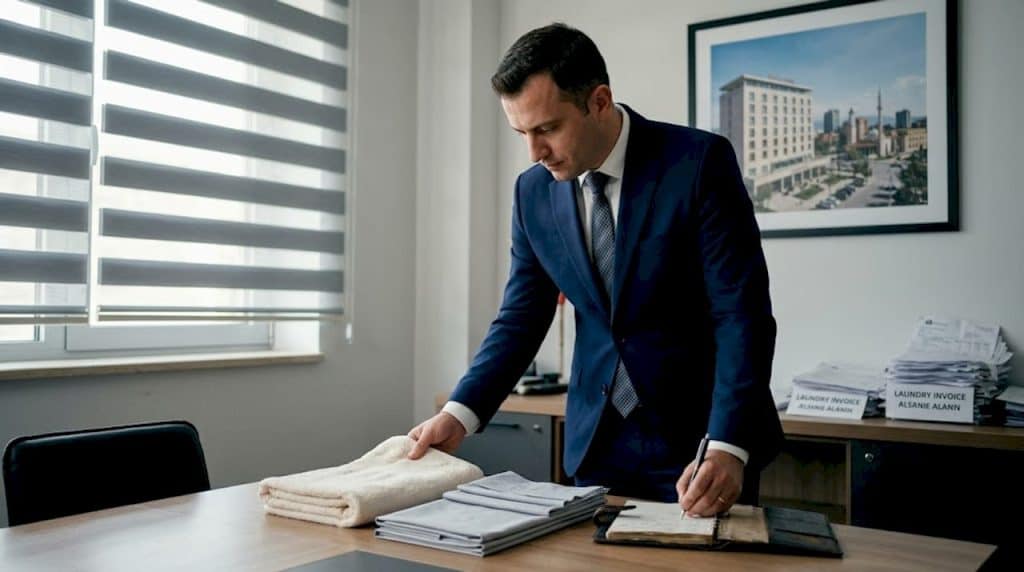
Textile procurement looks straightforward until you see the full picture. A hotel manager in Tirana or Shkodër buys a batch of towels at a competitive unit price, only to find them thinning out after 60 wash cycles, triggering emergency reorders mid-season at premium rates. That pattern quietly drains budgets, disrupts housekeeping schedules, and chips away at the guest experience you work hard to protect. This guide walks you through the frameworks, specifications, and supplier strategies that help mid-sized hotels and resorts across Albania and the Balkans source textiles smarter, spend less over time, and keep every room guest-ready.
Table of Contents
- Total cost of ownership: The core of cost-efficient sourcing
- Choosing specs: Textile quality, blend, and par levels
- Smart buying and supplier strategies in the Balkans
- Sustainable sourcing: Long-term wins for cost and efficiency
- A fresh perspective: Why local supplier relationships outpace price shopping
- Discover expert textile solutions for Albanian and Balkan hotels
- Frequently asked questions
Key Takeaways
| Point | Details |
|---|---|
| Total cost of ownership | Focus on cost per use and hidden expenses for true savings with hotel textiles. |
| Optimal textile specs | Choose the right GSM and blends for durability, wrinkle resistance, and guest comfort. |
| Smart supplier strategies | Bulk buying, flexible contracts, and RFID tracking lower losses and procurement costs. |
| Sustainable sourcing | Certified and recycled fibers reduce costs and water usage while supporting brand values. |
| Local supplier relationships | Balkan-based partnerships offer logistics advantages and responsive service for Albanian hotels. |
Total cost of ownership: The core of cost-efficient sourcing
The single most important shift you can make in textile procurement is moving from unit price thinking to Total Cost of Ownership (TCO). TCO means calculating what a textile item actually costs across its entire operational life, not just what you paid on the invoice. As outlined in this textile procurement guide, the core methodology for hotels is prioritizing cost per use over initial price by factoring in replacement frequency, laundry cycles, and hidden costs like storage and emergency buys.
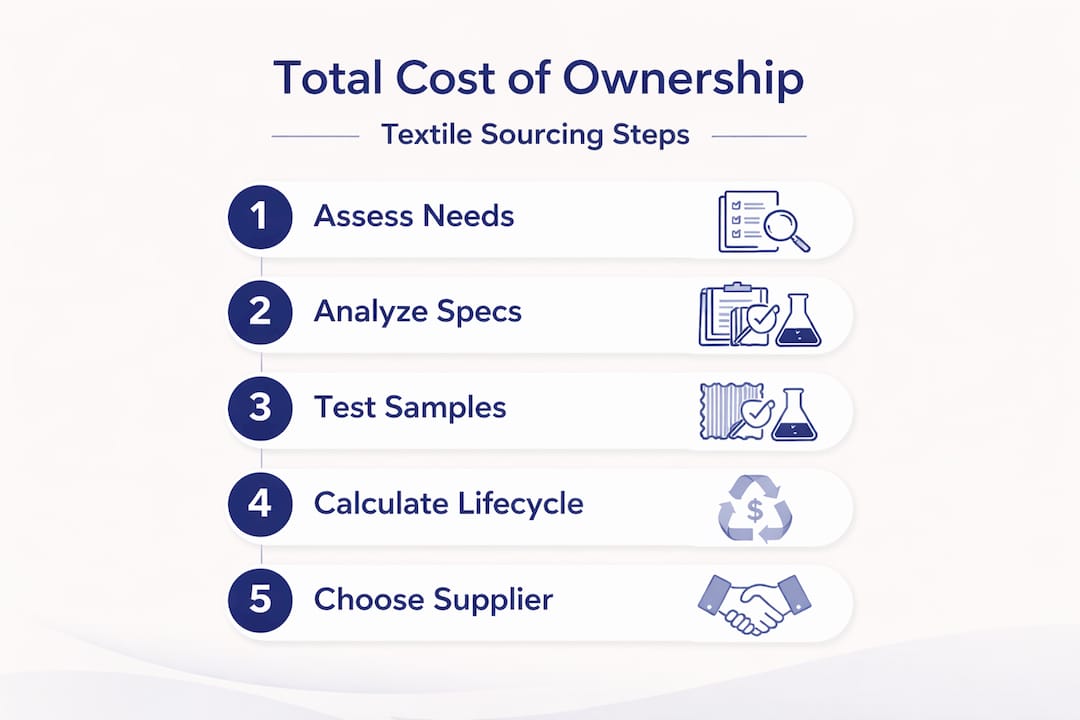
Here is a concrete example that illustrates the difference clearly. A towel priced at $8 per unit that survives 100 industrial wash cycles costs $0.08 per use. A $12 towel engineered for 200 cycles costs $0.06 per use. Over a 200-room property running three towels per room, that gap adds up to thousands of dollars annually. The more expensive towel is actually the cheaper operational choice.
The same logic applies to bed linens. Poly-cotton blend sheets at 200-250 GSM (grams per square meter) typically outlast 100% cotton equivalents by 30 to 40 percent under industrial laundry conditions, because the polyester component resists friction and shrinkage. Pure cotton feels premium but degrades faster under the chemical and mechanical stress of commercial washing machines. When you factor in replacement frequency, the blend often wins on TCO even if its sticker price is higher.
Hidden costs are where most managers lose money without realizing it. Consider these common budget drains:
- Emergency reorders during peak season at non-negotiated prices
- Excess storage of low-quality items that need higher par levels to compensate for faster wear
- Staff time spent managing frequent replacements and quality checks
- Guest complaints tied to worn or discolored linens, which affect review scores and repeat bookings
Pro Tip: Before committing to any new textile supplier, request sample units and run them through your property’s actual industrial laundry conditions for at least 20 cycles. Assess color retention, fabric integrity, and shrinkage. This simple test saves significant money and avoids costly surprises at scale.
| Item | Unit price | Wash cycles | Cost per use |
|---|---|---|---|
| Standard towel (low grade) | $8 | 100 | $0.080 |
| Hotel-grade towel (mid grade) | $12 | 200 | $0.060 |
| Premium towel (high grade) | $16 | 300 | $0.053 |
| Poly-cotton sheet blend | $14 | 250 | $0.056 |
| 100% cotton sheet | $12 | 150 | $0.080 |
The table makes it clear: investing in quality upfront reduces cost per use and keeps operations predictable. For a deeper look at how to apply these savings across your property, review the hotel textile cost savings strategies that experienced operators in the region use.
Choosing specs: Textile quality, blend, and par levels
After understanding cost per use, managers must ensure textile specifications maximize both operational efficiency and guest comfort. Choosing the wrong GSM or blend for a specific use case is one of the most common and costly mistakes in hotel procurement.
For towels, optimal absorbency and drying balance sits in the 400 to 500 GSM range. Below 400 GSM, towels feel thin and dry quickly but absorb poorly, which guests notice immediately. Above 600 GSM, towels take longer to dry between uses, creating hygiene risks and slowing housekeeping turnover. Pool towels are an exception: they benefit from 550 to 650 GSM because guests use them for extended periods on sun loungers and expect a heavier, more luxurious feel.
For bed linens, the sweet spot is 200 to 250 GSM in percale weave or cotton-poly blends. Percale offers a crisp, cool feel that works well across seasons in the Balkans climate. Cotton-poly blends at a 60/40 or 50/50 ratio add wrinkle resistance, which directly reduces ironing time and labor costs. A well-chosen blend can cut linen pressing time by 20 to 25 percent compared to pure cotton, which is a meaningful operational saving across a full season.
Par levels, meaning the number of sets in circulation per room, are equally critical. The industry standard for stable operations is three to four sets per room:
- Set 1: In use on the room
- Set 2: In the laundry cycle
- Set 3: Clean and ready in the linen room
- Set 4 (optional): Buffer for peak season or quality inspections
Operating below three sets forces your laundry team to rush cycles, which shortens textile lifespan and increases wear. It also creates bottlenecks during high-occupancy periods. The bulk supply importance for Balkan hotels cannot be overstated: having the right volume on hand at all times keeps housekeeping on schedule and guest rooms consistently presentable.
| Textile type | Recommended GSM | Best material blend | Par level per room |
|---|---|---|---|
| Bath towels | 400-500 | 100% cotton or cotton-loop | 3-4 sets |
| Pool towels | 550-650 | 100% cotton | 2-3 sets |
| Bed sheets | 200-250 | Cotton-poly 60/40 | 3-4 sets |
| Pillowcases | 200-230 | Percale cotton-poly | 3-4 sets |
| Duvet covers | 180-220 | Sateen cotton-poly | 2-3 sets |
When selecting specs for your property, consider the guest profile as well. A resort catering to international travelers expects higher tactile standards than a budget business hotel. Matching specs to your brand positioning ensures you invest where it matters most. For properties with unique requirements, custom textile solutions tailored to Balkan hotel operations offer a practical path to getting exactly what your rooms need.
Smart buying and supplier strategies in the Balkans
With the right textile specs in place, a sourcing strategy must include robust procurement and supplier management practices. Getting the specifications right is only half the work. How and when you buy, and who you buy from, determines whether those specs actually deliver value.
Key procurement practices for hotels in this region include bulk and seasonal buying from January to March, flexible contracts with quarterly reviews, supplier partnerships structured on an 80/20 split between primary and backup suppliers, and RFID tracking to cut textile losses by 20 to 30 percent. These are not theoretical best practices. They are operational tools that experienced hotel operators in the Balkans use to keep costs predictable year after year.
Here is a step-by-step approach to building a stronger procurement strategy:
- Plan purchases in the off-season. January through March is the optimal window for bulk orders in Albania and the Balkans. Demand from hospitality operators is lower, suppliers offer better pricing, and you have time to receive, inspect, and stock inventory before the summer season begins.
- Structure contracts with flexibility clauses. Avoid locking into rigid annual contracts that do not account for occupancy shifts or textile wear rates. Build in quarterly review points where volumes can be adjusted up or down.
- Apply the 80/20 supplier split. Source 80 percent of your textile volume from a primary supplier you trust, and maintain a secondary supplier relationship for the remaining 20 percent. This protects you from supply disruptions without creating the complexity of managing too many vendor relationships.
- Implement RFID or barcode tracking. Textile loss is a silent cost in most hotels. Towels and linens leave rooms, get mixed into guest luggage, or simply disappear in the laundry chain. RFID tracking systems can reduce linen loss from 15 percent down to 5 percent, translating to meaningful procurement savings annually.
- Conduct quarterly performance reviews. Review delivery times, quality consistency, and pricing against market benchmarks every three months. This keeps your supplier accountable and your supply chain responsive to operational changes.
“The most resilient hotel textile programs are not built on the cheapest unit prices. They are built on supplier relationships that deliver consistency, speed, and flexibility when operations demand it.”
Strong local supplier relationships reduce logistics friction significantly. When a supplier understands your property’s specific needs, they can prioritize your orders, flag quality issues before shipment, and respond faster to urgent requests. This is especially valuable in Albania and the broader Balkans market, where logistics infrastructure can create delays for imported goods. Understanding distribution workflows and how to optimize them is a practical advantage for any property manager.
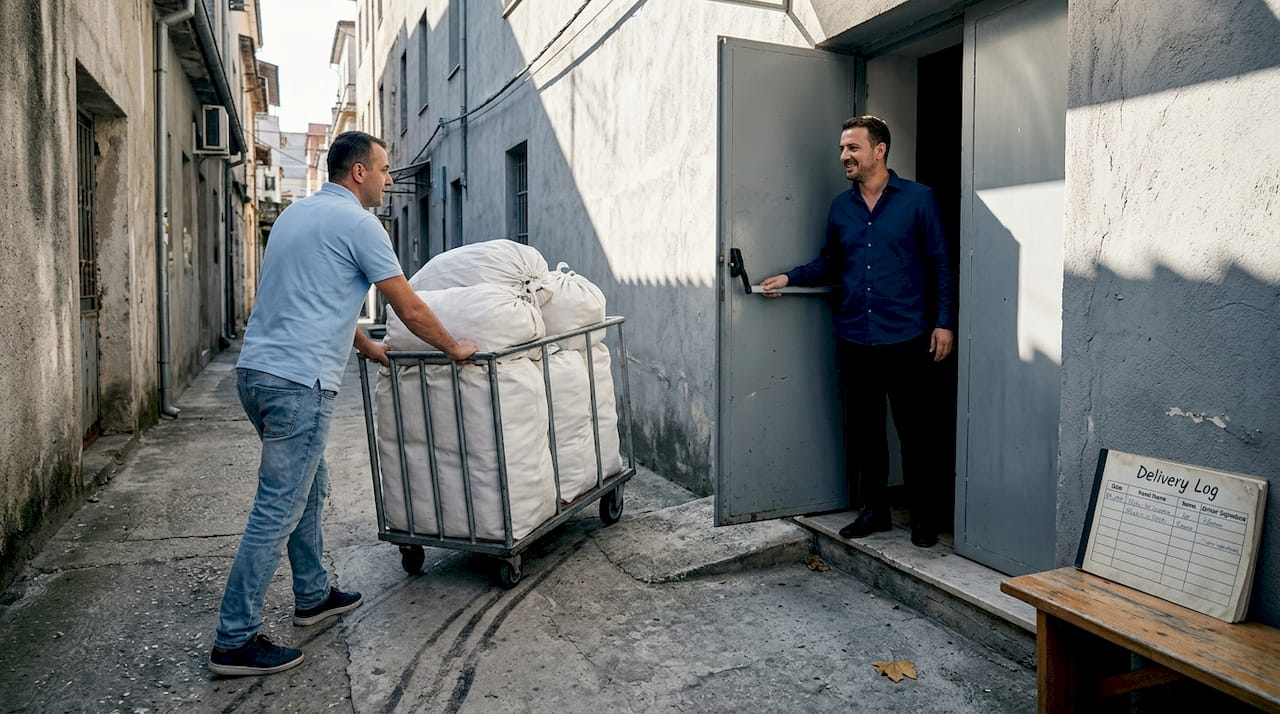
For properties scaling up or entering a renovation cycle, bulk import savings become even more significant. Larger order volumes unlock better per-unit pricing and reduce the frequency of reorders, which lowers administrative overhead. If you are newer to this process, a structured textile importing guide for the Balkans context provides a clear starting point.
Pro Tip: Conduct quarterly supplier reviews that go beyond price. Assess delivery reliability, defect rates, and responsiveness to complaints. A supplier who delivers on time and resolves issues fast is worth more than one who offers a marginally lower price but creates operational headaches.
Sustainable sourcing: Long-term wins for cost and efficiency
Once buying strategies are in place, integrating sustainability offers additional value for both cost management and guest satisfaction. Sustainability in hotel textiles is not just an ethical position. It is increasingly a financial one.
Recycled and organic fibers certified by OEKO-TEX or GOTS cut long-term costs and water use. Circular practices like upcycling worn uniforms into cleaning cloths or event decorations reduce textile waste. The contrast between cheap carded cotton, which offers 20 to 30 percent upfront savings but pills quickly, and combed cotton, which maintains surface integrity over many more wash cycles, illustrates why sustainability and durability often point in the same direction.
Practical sustainable options worth considering for Balkan hotel operations include:
- Hemp and lyocell blends: These materials offer exceptional durability and moisture management, extending textile lifespan by 20 to 40 percent compared to standard cotton. They also require less water during cultivation and processing.
- OEKO-TEX certified textiles: Certification ensures that no harmful chemicals are present in the fabric, which matters for guest skin contact and reduces the chemical load in your laundry process.
- Upcycling programs: Worn towels can be repurposed as cleaning rags or spa wraps. Uniforms past their guest-facing life can be converted into utility workwear, reducing disposal costs.
- Avoiding cheap carded cotton: Carded cotton saves money at purchase but pills within 30 to 50 wash cycles, creating a rough texture that guests notice and generating faster replacement cycles that erode the initial savings.
“Sustainability in textile sourcing is not a premium add-on. It is a cost management strategy that compounds over time, reducing replacement frequency, laundry chemical use, and waste disposal costs simultaneously.”
For hotels in Albania looking to build a more sustainable textile program, the distribution guide for Albanian hotels offers practical steps on integrating sustainable sourcing into existing supply chains without disrupting operations.
A fresh perspective: Why local supplier relationships outpace price shopping
Most procurement conversations in hospitality start and end with unit price. That is understandable. Budgets are tight, and a lower price on the invoice feels like an immediate win. But after working with hospitality operators across Albania and the Balkans for decades, the pattern is consistent: the properties that achieve the best long-term textile economics are not the ones who found the cheapest supplier. They are the ones who built the strongest supplier relationships.
Prioritizing TCO over unit price, testing samples under industrial laundry conditions, and building Balkans supplier relationships for logistics savings are the practices that separate high-performing hotel operations from reactive ones. A local supplier who knows your property, understands your seasonal demand curve, and can deliver a replacement order within 48 hours is worth considerably more than a distant importer offering a 5 percent discount.
The logistics reality in the Balkans matters here. Importing textiles from distant markets introduces lead times, customs delays, and minimum order quantities that do not always align with a mid-sized hotel’s actual needs. A local supplier with warehouse stock and established distribution routes can respond to urgent needs in days rather than weeks. That responsiveness has a real dollar value when your housekeeping team is short on towels during peak season.
Testing samples for industrial laundry conditions before committing to volume orders is another practice that separates experienced buyers from reactive ones. Run samples through your actual machines, with your actual detergents and temperatures, for at least 20 cycles. The results will tell you more than any product specification sheet. This approach, combined with a focus on high-volume supply reliability, builds a procurement program that keeps your operations steady through every season.
Price shopping feels efficient. Relationship building feels slower. But in practice, the properties that invest in supplier partnerships spend less time managing textile problems and more time delivering the guest experience that drives repeat bookings and strong reviews.
Discover expert textile solutions for Albanian and Balkan hotels
Managers who are ready to move from reactive purchasing to a structured, cost-efficient textile program need a partner who understands both the operational demands of hospitality and the sourcing realities of the Albanian and Balkan market.

Gjergji H Tekstil has been supplying hotels, resorts, and hospitality businesses across Albania and the region since 1994, working with international brands like Marriott, Meliá, and Sheraton. The company operates as a fully integrated supply chain partner, from import and custom production to distribution, giving hotel managers access to consistent quality, competitive pricing, and the flexibility to scale orders with seasonal demand. Explore expert tips for selecting textiles for hotel and dining spaces, or browse the full range of wholesale textile solutions designed specifically for hotel operations in Albania and the Balkans.
Frequently asked questions
How do I calculate total cost of ownership for hotel textiles?
TCO is calculated by dividing the total cost, including purchase price, maintenance, replacement, and hidden expenses, by the number of uses across the textile’s operational life, not just the initial invoice price.
What textile specifications are best for mid-sized hotels?
Towels perform best at 400 to 500 GSM for the right balance of absorbency and drying speed, while sheets should be 200 to 250 GSM in percale or cotton-poly blends for wrinkle resistance and long-term durability.
How can RFID tracking reduce textile losses?
RFID tracking cuts linen loss from around 15 percent down to 5 percent in most hotel operations, which translates to up to 20 to 30 percent in annual procurement savings by reducing unnecessary replacement orders.
Are sustainable textiles cost-effective for hotels in the Balkans?
Yes. Recycled and organic fibers certified by OEKO-TEX or GOTS reduce long-term costs and water usage, and circular practices like upcycling worn uniforms add further savings over time.
What is the advantage of building supplier relationships in Albania?
Strong local supplier relationships deliver faster replacement cycles, lower logistics costs, and more responsive service than price-focused purchasing from distant suppliers, particularly during peak season demand spikes.