

TL;DR:
- Proper selection, sizing, and maintenance of table linens enhance guest perception and reflect service quality. Choosing the right fabric for each venue, sizing linens accurately, and following strict care protocols extend textile life and improve aesthetics. Layering textiles and experimenting with color schemes create a refined dining atmosphere that boosts guest satisfaction.
A dining textile usage guide is defined as the complete framework for selecting, sizing, styling, and maintaining table linens to shape guest perception and dining room aesthetics. In hospitality, table linens are not decorative afterthoughts. They are operational tools that signal service quality, reinforce brand identity, and protect table surfaces. The right approach covers material selection across cotton, linen, and polyester blends, precise tablecloth sizing, care protocols that extend textile life, and styling techniques that create atmosphere. This guide gives hospitality managers and event planners the specific knowledge to make every decision count.
What is the best dining textile usage guide for hospitality?
The foundation of any effective table linen program is material selection. Polyester blends are preferred for high-traffic hospitality environments because of their stain resistance and durability, while 100% cotton or linen fabrics serve premium fine dining settings. That distinction matters operationally. A casual bistro turning 80 covers a night needs a fabric that survives industrial washing cycles without fading. A fine dining room with 30 covers needs a fabric that feels luxurious to the touch.
When choosing dining textiles, match the material to your venue’s actual conditions:
- Cotton: Superior absorbency and softness. Best for fine dining and boutique hotels. Requires careful washing at a maximum of 40°C to preserve fiber integrity.
- Linen: Long lifespan and a refined texture. Wrinkles easily, so it demands consistent ironing protocols. Ideal for upscale restaurants and formal event settings.
- Polyester blends: High resistance to stains and shrinking. The practical choice for high-turnover restaurants, banquet halls, and catering operations.
- Cotton-polyester blends: A middle ground. They combine the softness of cotton with the durability of polyester, making them a reliable choice for mid-range hotels and casual dining venues.
Color coordination is a separate decision from material. Your linens should align with your brand palette and complement your tableware. A restaurant with warm wood tones and earth-colored walls reads differently under ivory linens than under stark white. Custom embroidery on napkins or tablecloth borders adds brand identity without requiring a full redesign. Gjergjihtextil offers custom production for exactly this kind of tailored specification.
Pro Tip: When choosing fabrics for high-turnover venues, prioritize textiles with stain-release technology. These fabrics repel liquids before they bond to fibers, which reduces the number of wash cycles needed and extends the usable life of each piece.
You can find more detailed guidance on hospitality-grade fabric selection for different dining environments on the Gjergjihtextil resource library.
How do you calculate the right tablecloth size?
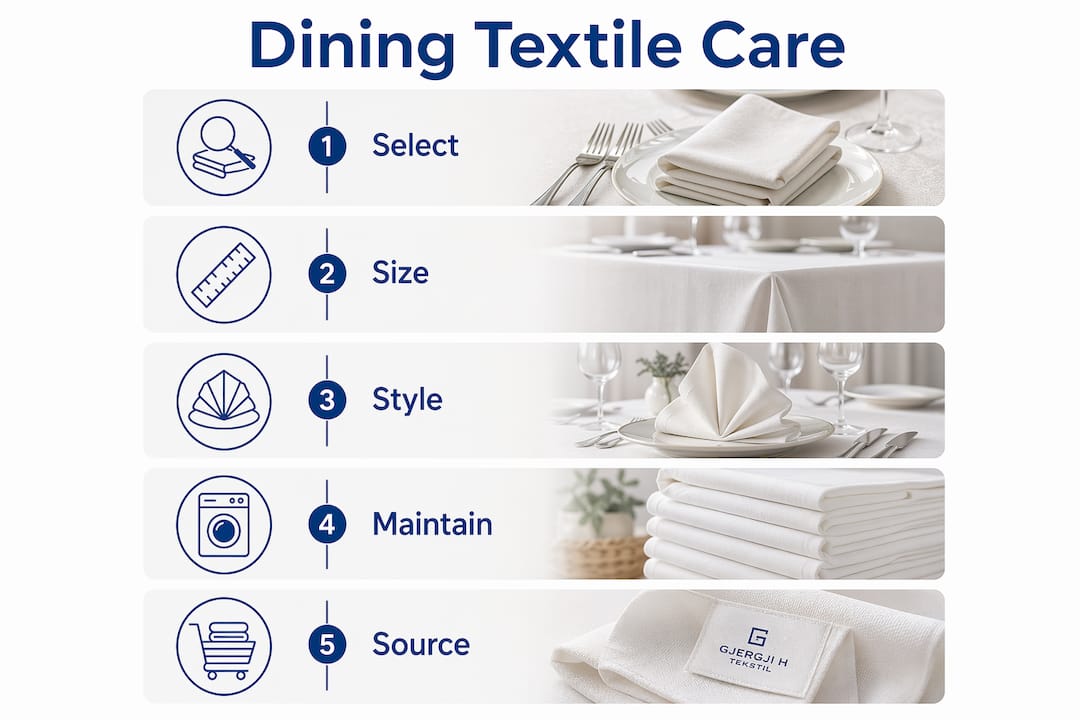
Sizing is where most hospitality managers make avoidable mistakes. The formula is straightforward: tablecloth size equals the table measurement plus twice the desired drop length. A 36-inch round table with a 12-inch drop requires a 60-inch round tablecloth. Getting this wrong means linens that bunch on the floor or expose table legs in ways that undercut the room’s visual standard.
The industry-standard drop lengths vary by setting:
- Casual dining: 6–10 inch drop. Practical, easy to manage, and reduces fabric wear at the edges.
- Semi-formal dining: 10–12 inch drop. Balances a polished look with operational ease.
- Formal dining and events: 15–20 inch drop. Creates a full, elegant drape that signals premium service.
The table below shows how drop length maps to venue type and practical use cases:
| Drop Length | Venue Type | Primary Use Case |
|---|---|---|
| 6–10 inches | Casual restaurants, cafes | High-turnover service, easy staff access |
| 10–12 inches | Mid-range hotels, bistros | Balanced aesthetics and durability |
| 15–20 inches | Fine dining, formal events | Maximum visual impact, banquet settings |
Drop length is also a cost management tool. Shorter drops reduce edge friction during service, which means less fabric wear over time. For a restaurant running 200 covers a day, that difference adds up across a full season.
Pro Tip: In high-turnover venues, use a 6–8 inch drop instead of the standard 10 inches. The reduced fabric contact with chairs and guests means each tablecloth survives more wash cycles before showing visible wear.
What are the best practices for cleaning dining textiles?
Proper laundering is where textile investment is either protected or destroyed. The rules are specific and non-negotiable for anyone managing a dining textile cleaning guide at scale.
- Washing temperatures: Cotton and linen should be washed at a maximum of 40°C (104°F). Polyester tolerates cold to warm water. Exceeding these temperatures weakens natural fibers and accelerates color loss.
- Detergent choice: Avoid enzyme-heavy detergents on cotton and linen. Enzymes break down protein-based stains effectively, but repeated use degrades natural fibers. Use pH-neutral detergents for natural fabrics.
- Stain treatment: Immediate spot treatment with gentle solutions like diluted white vinegar removes common hospitality stains without professional intervention. The key word is immediate. Stains that dry and set require far more aggressive treatment.
- Drying protocol: Never tumble dry linens until stains are fully removed. Heat bonds protein stains permanently to fabric. Confirm stain removal before any heat exposure.
- Storage: Store linens with acid-free tissue between folds to prevent sharp crease lines that weaken fabric over time. Avoid plastic bags, which trap moisture and promote mildew.
“The fear that fine linens will be ruined by minor spills is largely misplaced. Proper immediate spot treatment saves them every time.” — Table Linen Care Insights, Leontine Linens
Pro Tip: Iron linens while they are still slightly damp. Ironing damp linens with a commercial steam press removes creases far more effectively than steaming dry fabric, which often leaves wrinkles intact.
For a practical care workflow, the restaurant linen care guide from Gjergjihtextil covers step-by-step protocols for hospitality operations of all sizes.
How to style dining textiles to elevate guest experience
Table linens are an under-used psychological design tool that directly influences how guests perceive service quality. A layered textile setup communicates attention to detail before a single dish arrives. The styling decisions you make at the table level shape the entire dining atmosphere.
Layering is the most effective technique for creating visual depth:
- Tablecloths form the base layer and set the color tone for the entire table.
- Table runners add a directional accent and work well for long banquet tables or rectangular dining tables. Knowing how to use table runners correctly means centering them lengthwise with 6–8 inches of overhang on each end.
- Overlays introduce texture contrast. A sheer organza overlay over a solid tablecloth creates a formal, event-ready look without replacing the base linen.
- Placemats define individual guest spaces and protect the tablecloth from direct plate contact, which reduces staining and wear.
Color choices carry psychological weight. Warm tones like ivory, terracotta, and gold create intimacy and comfort, which suits casual and mid-range dining. Cool tones like white, slate blue, and silver signal precision and formality, which aligns with fine dining and corporate events. Color-coordinated linens also create distinct zones in open dining spaces, guiding guest flow without physical barriers.
Napkin folding is a branding opportunity that most venues underuse. A bishop’s hat fold or a fan fold on a pressed linen napkin signals craft and care. Fabric napkins signal higher hospitality quality than disposables, and the difference registers with guests immediately.
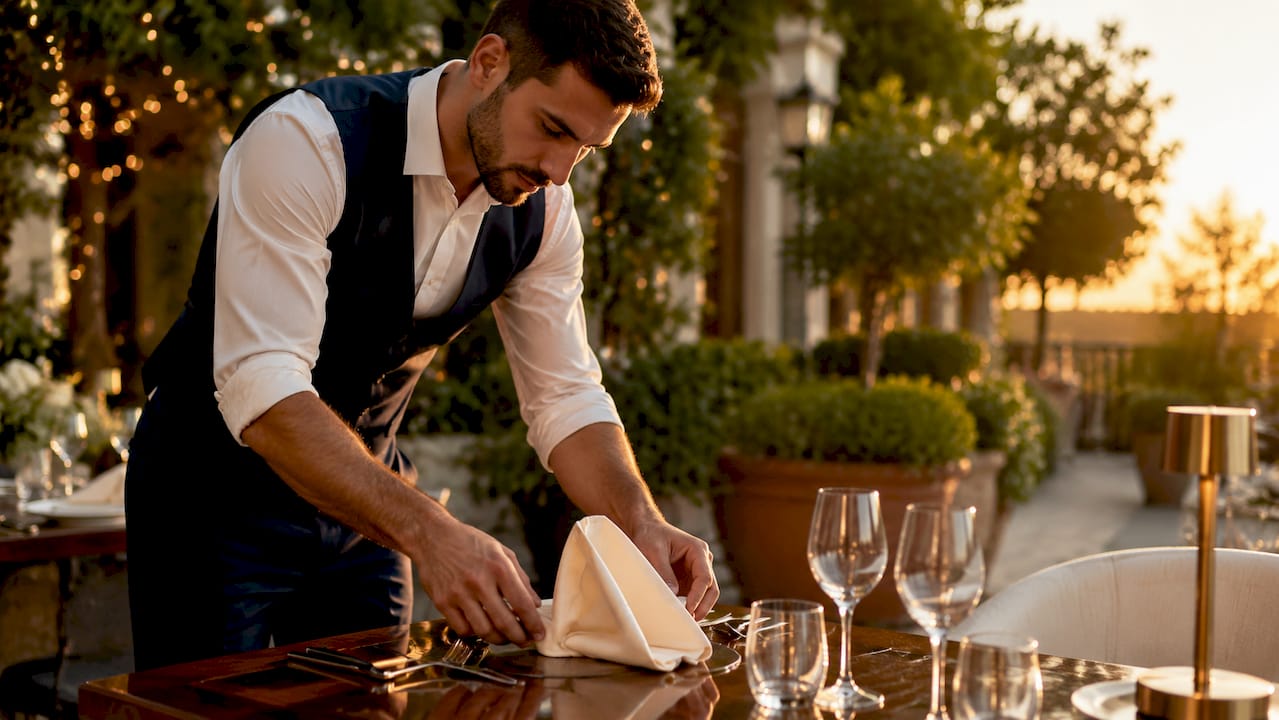
Pro Tip: Swap textile accents seasonally rather than replacing full sets. Change runners, overlays, and napkin colors to reflect seasonal themes or special events. This keeps the dining room visually fresh at a fraction of the cost of full linen replacement.
The role of textiles in guest experience goes deeper than aesthetics. Gjergjihtextil’s research shows that textile quality directly affects how guests rate overall service, even when food and staff performance remain constant.
Key takeaways
Effective dining textile management requires matching materials to venue demands, sizing linens precisely, and following strict care protocols to protect your investment.
| Point | Details |
|---|---|
| Match material to venue type | Use polyester blends for high-traffic settings; reserve cotton and linen for fine dining. |
| Size linens with the drop formula | Add twice the desired drop to the table measurement to get the correct tablecloth size. |
| Protect linens with correct care | Wash cotton and linen at max 40°C and never tumble dry until all stains are removed. |
| Layer textiles for visual depth | Combine tablecloths, runners, overlays, and placemats to create atmosphere and zone dining spaces. |
| Invest in quality to reduce cost | Quality linens with stain-release technology lower cost-per-use compared to cheap replacements. |
What 30 years of textile supply taught me about dining linens
Most hospitality managers treat linens as a commodity purchase. They buy on price, replace frequently, and never connect textile quality to guest satisfaction scores. That is the wrong mental model, and it costs more in the long run.
Investing in quality linens with stain-release technology lowers cost-per-use over time compared to cheap linens that fade or wear quickly. The math is straightforward. A tablecloth that survives 200 wash cycles at consistent color and shape costs less per use than one that degrades after 50 cycles, even if the purchase price is three times higher.
The other mistake I see repeatedly is over-relying on one fabric type across all settings. A hotel that uses the same polyester blend in its fine dining room and its poolside café is making a branding error. Guests notice the difference between a crisp linen napkin and a synthetic one, even if they cannot name the material.
The most overlooked opportunity is color and layering. Managers who experiment with runners, overlays, and seasonal accent swaps consistently report stronger guest feedback on atmosphere without significant cost increases. Textiles are the fastest way to refresh a dining room’s visual identity between major renovations.
The uncomfortable truth is that most dining rooms are under-investing in textiles while over-spending on décor that guests notice far less. A well-dressed table keeps service running smoothly and signals quality before the first course arrives.
— Xpert
Source your dining textiles from a proven hospitality partner
Running a consistent dining textile program requires a supplier who understands hospitality operations, not just fabric specifications. Gjergjihtextil has supplied hotels like Marriott, Meliá, and Sheraton with dining and room textiles for over 30 years, building supply chain infrastructure that delivers consistent quality at competitive wholesale pricing.
Whether you manage a 50-cover restaurant or a 300-room resort, Gjergjihtextil offers tablecloths, napkins, and runners built for industrial wash cycles and consistent presentation. Custom embroidery, color matching, and tailored sizing are standard options, not premium add-ons. Explore the full range of wholesale restaurant textiles to find the right specification for your operation, or review the hotel textile selection tips for guidance on balancing guest comfort with cost efficiency.
FAQ
What materials are best for restaurant tablecloths?
Polyester blends are best for high-traffic restaurants due to stain resistance and durability. Cotton and linen suit fine dining where tactile quality matters more than wash-cycle volume.
How do i calculate the right tablecloth size?
Use the formula: table measurement plus twice the desired drop length equals the tablecloth size. A 15–20 inch drop suits formal events; a 6–10 inch drop works for casual dining.
How should i wash cotton and linen table linens?
Wash cotton and linen at a maximum of 40°C using pH-neutral detergents. Avoid enzyme-heavy detergents, which degrade natural fibers with repeated use.
Can i remove stains from fine dining linens without professional cleaning?
Yes. Immediate spot treatment with diluted white vinegar removes most common hospitality stains. The critical rule is to treat stains before they dry and never apply heat until the stain is fully gone.
How do table runners work in a dining setup?
Table runners are placed lengthwise down the center of the table with 6–8 inches of overhang on each end. They add a color or texture accent over the base tablecloth and work especially well for banquet and event table configurations.