

TL;DR:
- Commercial laundries in hotels handle large-scale cleaning, finishing, and redistribution of textiles to ensure hygiene, linen durability, and guest satisfaction. Proper workflow, equipment, and maintenance practices are essential to optimize operations and reduce costs while maintaining high-quality guest experiences. Choosing the appropriate laundry model depends on hotel size, linen volume, and investment capacity, with preventive maintenance and textile sourcing playing crucial roles in operational success.
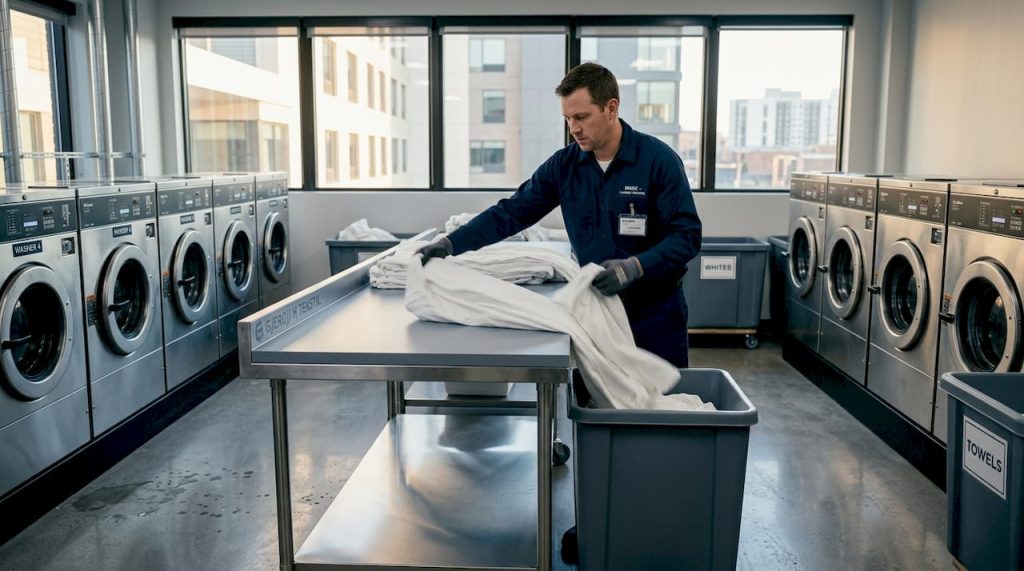
Commercial laundries in hotels are defined as the professional systems, equipment, and processes responsible for cleaning, finishing, and redistributing all textile items at scale, including bed linens, towels, uniforms, and table covers. The role of commercial laundries in hotels extends far beyond washing: it is the operational backbone that determines hygiene standards, linen lifespan, guest satisfaction, and cost control simultaneously. For hotel managers and procurement professionals, understanding this function is not optional. It is the difference between a property that runs on schedule and one that hemorrhages costs through equipment failures, linen shortages, and guest complaints.
How commercial laundries optimize hotel laundry operations
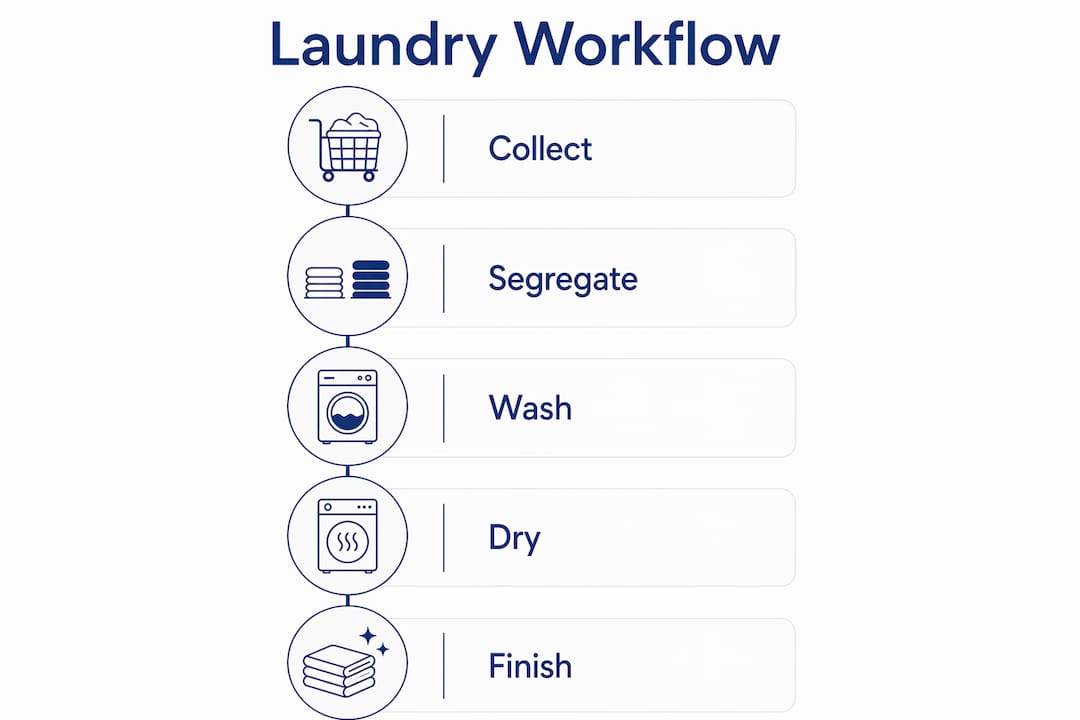
The operational workflow inside a hotel laundry follows a precise, repeatable cycle: collect, segregate, wash, dry, finish, and redistribute. Each step is engineered to prevent contamination and minimize turnaround time. Hotels process hundreds of bed linens daily with a fast collect-to-redistribute workflow that depends on strict segregation protocols at the point of collection. This means soiled linens are separated by type, soil level, and department before they ever reach a washer, which prevents cross-contamination and protects fabric integrity.
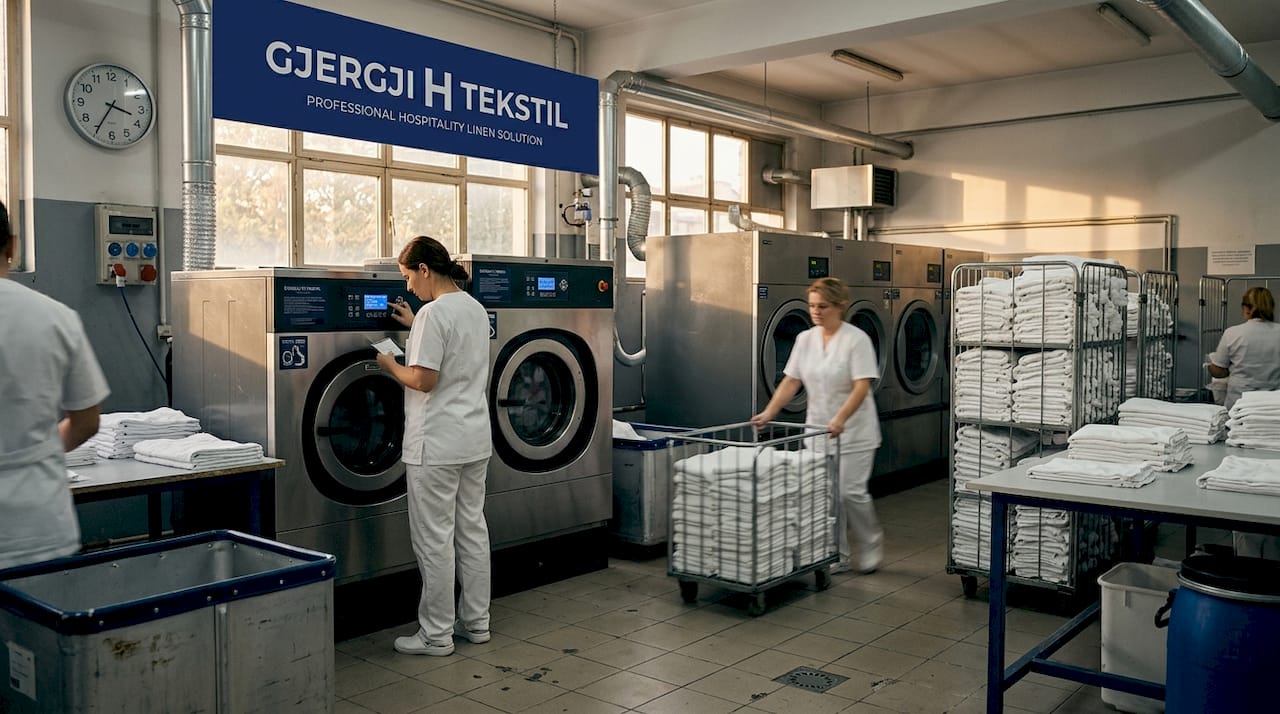
Commercial equipment is what makes this scale possible. Washer-extractors handle large batch loads with programmable wash cycles, while tunnel washers process continuous linen streams in high-volume properties. On the finishing side, roller ironing systems press sheets at controlled dampness to lock in smoothness and crispness. This finishing step is a specialized throughput process that defines the tactile quality guests associate with a premium hotel stay, not merely the washing cycle itself.
The four core stages of a well-managed hotel laundry operation are:
- Segregation at collection. Linen streams are separated by type and contamination level before processing begins. This is non-negotiable even for properties that outsource washing.
- Washing at controlled temperatures. Commercial laundries use wash temperatures between 60°C and 75°C to achieve hygienic cleaning and maintain whiteness in bed linens and towels.
- Drying and finishing. Industrial dryers remove moisture to a precise level, and roller irons complete the process by creating the crisp, smooth finish guests expect.
- Redistribution and inventory tracking. Clean linen is sorted, counted, and returned to the correct departments on a schedule that aligns with housekeeping workflows.
Pro Tip: Audit your segregation protocols at the strip-collection point, not at the laundry room. Contamination introduced before washing cannot be corrected downstream, regardless of equipment quality.
Throughput management is the metric that separates efficient hotel laundries from costly ones. A property with 200 rooms may process 600 or more linen pieces per day. Without engineered workflow sequencing, bottlenecks at the dryer or ironer stage create linen shortages that directly delay room turnovers.
How does laundry quality affect guest experience and hotel reputation?
Laundry hygiene directly influences guest satisfaction, trust, and a hotel’s online reputation. Poor linen quality erodes brand confidence rapidly, and the connection between cleanliness and star ratings is well documented in hospitality research. A single negative review citing stained or rough-feeling sheets carries disproportionate weight on platforms like TripAdvisor and Google Reviews, where potential guests make booking decisions.
The quality signals guests register are specific:
- Whiteness and brightness. Yellowed or gray-toned linens signal poor hygiene regardless of actual cleanliness. High-temperature washing and correct detergent dosing maintain optical brightness.
- Crispness and smoothness. Guests associate a crisp sheet with professionalism and care. This perception comes from the finishing process, not thread count alone.
- Odor neutrality. Residual chemical or musty odors indicate improper rinsing or drying. Commercial laundries with calibrated rinse cycles eliminate this problem.
- Fabric integrity. Pilling, thinning, or fraying signals that linens have been over-processed or washed at incorrect temperatures.
“Guest perceptions of linen quality come more from controlled washing and finishing processes than from fabric thread counts alone. Procurement decisions should reflect this reality.” — Industry insight from Condé Nast Traveller laundry experts
The implication for procurement professionals is direct: the quality of your laundry process determines how long your textile investment performs at standard. Buying premium linens and processing them incorrectly produces the same guest experience as buying mid-range linens and processing them correctly. The process is the product.
What are the economic and environmental benefits of commercial laundry services?
The financial case for professional laundry management in hotels is measurable. Girbau reports that hospitality laundry solutions can reduce operating costs by up to 68%, achieve return on investment in as little as seven months, and cut energy use per cycle by up to 30%. These figures reflect the combined effect of high-efficiency equipment, optimized water consumption, and reduced linen replacement frequency.
| Factor | On-site commercial laundry | Outsourced laundry service |
|---|---|---|
| Capital cost | High upfront equipment investment | Low or zero capital outlay |
| Operating cost per cycle | Lower at scale with modern equipment | Variable, dependent on contract terms |
| Energy and water use | Controlled with high-efficiency machines | Managed by provider |
| Linen wear and replacement | Reduced through calibrated processes | Dependent on provider’s equipment quality |
| ROI timeline | 7 to 18 months for large properties | Immediate, but ongoing service fees |
Controlled wash cycles also extend linen lifespan significantly. When water temperature, mechanical action, and detergent concentration are calibrated correctly, fabric fiber degradation slows. This reduces annual linen replacement budgets, which represent a substantial recurring cost for properties with 100 or more rooms.
The environmental dimension matters increasingly to hotel brands. Properties targeting sustainability certifications such as Green Key or ISO 14001 compliance benefit from commercial laundry systems that document water and energy consumption per cycle. This data supports both internal reporting and guest-facing sustainability claims. Procurement professionals should request energy and water consumption benchmarks from any laundry equipment vendor or service provider before signing contracts.
What maintenance and safety risks do hotel laundries face?
Preventive maintenance is the most overlooked variable in hotel laundry management, and its absence carries severe financial consequences. Hotels without preventive maintenance programs spend 40 to 60% more on repairs and replace major equipment five to eight years earlier than properties with structured maintenance schedules. Emergency repair costs for tunnel washers or commercial ironers during peak occupancy can reach $15,000 to $50,000 per incident.
The fire risk is equally serious. Dryers cause nearly 16,000 structural fires annually in commercial laundry facilities. Lint accumulation in exhaust ducts and around heating elements is the primary cause. This is not a theoretical risk. It is a documented operational hazard that requires a scheduled inspection and cleaning program.
Key maintenance and safety practices for hotel laundry operations include:
- Lint trap and duct cleaning. Dryer exhaust ducts require inspection and cleaning on a defined schedule, typically monthly for high-volume operations.
- Washer-extractor bearing and seal checks. Mechanical failures in high-speed extraction cycles cause sudden downtime and water damage.
- Ironer roll and padding inspection. Worn padding on roller irons produces uneven finishing and increases fabric stress.
- Digital maintenance scheduling. Properties using digital preventive maintenance platforms cut emergency repairs by 50% and extend equipment life by 40%, with ROI achieved in 60 to 90 days.
Pro Tip: When evaluating laundry service contracts or equipment leases, require documented preventive maintenance records and a written contingency plan for equipment failure. A service level agreement without uptime guarantees is not a service level agreement.
The textile maintenance workflow also affects how long linens survive industrial processing. Fabrics sourced for hospitality use must be specified for repeated high-temperature washing and mechanical finishing, not just initial softness or appearance.
In-house vs. outsourced laundry: which model fits your hotel?
The decision between on-premises laundry operations and outsourced commercial laundry services depends on three primary variables: room count, daily linen volume, and available capital. Large hotels favor on-premises operations for the control and speed advantages they provide, while boutique properties and smaller hotels often find outsourcing more cost-effective given the infrastructure investment required.
The practical considerations for each model are:
- On-premises laundry. Gives management direct control over quality, turnaround time, and hygiene protocols. Best suited for properties processing more than 300 linen pieces per day. Requires dedicated space, trained staff, and capital investment in commercial equipment.
- Outsourced laundry service. Reduces infrastructure requirements and shifts equipment risk to the provider. Introduces dependency on external schedules and transport logistics. Requires rigorous contract terms covering quality standards, turnaround times, and liability for linen damage.
- Hybrid model. Many mid-size hotels process house linens on-premises while outsourcing guest laundry or specialty items. This approach balances control with flexibility and is increasingly common in properties with 80 to 150 rooms.
The hybrid model deserves more attention than it typically receives. It allows a property to maintain quality control over the highest-volume items, such as bed linens and bath towels, while avoiding the capital cost of specialized equipment for lower-volume categories. Procurement professionals evaluating this option should map linen volumes by category before committing to any model. The hotel textile supply chain decision and the laundry model decision are interconnected. Sourcing linens that are not specified for industrial processing creates problems regardless of which operational model you choose.
Key takeaways
The role of commercial laundries in hotels is a complete operational system where segregation, calibrated washing, professional finishing, preventive maintenance, and strategic sourcing each determine the final guest experience and total cost of ownership.
| Point | Details |
|---|---|
| Finishing defines quality | Roller ironing at controlled dampness creates the crispness guests associate with hotel standards, not thread count. |
| Maintenance prevents cascading costs | Properties without preventive maintenance programs spend 40 to 60% more on repairs and replace equipment years earlier. |
| Fire risk is real and preventable | Dryers cause nearly 16,000 structural fires annually; scheduled lint and duct cleaning is a non-negotiable safety practice. |
| Model choice depends on volume | On-premises suits high-volume properties; outsourcing and hybrid models fit smaller or mid-size hotels with lower daily linen counts. |
| Textile sourcing affects laundry outcomes | Linens not specified for industrial washing degrade faster, increasing replacement costs regardless of laundry process quality. |
What hotel managers often get wrong about laundry operations
The most common mistake I see in hotel laundry management is treating it as a departmental task rather than a system. Housekeeping manages collection, engineering manages equipment, and procurement manages linen purchasing, but nobody owns the full cycle. That fragmentation is where costs accumulate and quality degrades.
The second mistake is prioritizing thread count over process compatibility when sourcing linens. Guest perception of linen quality comes from the finishing process, specifically the temperature control and damp ironing technique, not from the fabric specification on the purchase order. A 300-thread-count sheet processed correctly outperforms a 600-thread-count sheet processed at the wrong temperature every time. Procurement professionals who understand this shift their evaluation criteria from product specs to process compatibility.
The third mistake is underestimating maintenance risk. I have seen properties absorb $30,000 in emergency repair costs during peak summer occupancy because a tunnel washer failed without warning. The property had no documented maintenance schedule and no contingency linen supply. That is an avoidable operational failure, and it is more common than the industry acknowledges.
The properties that manage laundry well treat it as infrastructure, not overhead. They invest in the right equipment, source textiles specified for industrial processing, and build maintenance programs before problems occur. That approach produces measurable returns in guest satisfaction scores, linen replacement budgets, and operational uptime.
— Xpert
How Gjergjihtextil supports better laundry outcomes for hotels

The quality of your laundry results starts with the quality of your textiles. Gjergjihtextil has supplied hotel-grade linens to properties including Meliá, Marriott, and Sheraton for over 30 years, sourcing from Italy, India, Pakistan, and China to deliver price-to-quality ratios that work at scale. Every textile in the Gjergjihtextil catalog is specified for durability under industrial washing cycles, meaning your procurement decision directly supports laundry efficiency and linen lifespan. For hotel managers and procurement professionals looking to align textile sourcing with operational performance, the hotel textile catalog covers bed linens, towels, duvets, and more, all designed for the demands of commercial laundry processing. You can also explore textile selection guidance to match fabric specifications to your specific laundry model.
FAQ
What is the role of commercial laundries in hotels?
Commercial laundries in hotels manage the full cycle of cleaning, finishing, and redistributing linens, towels, and uniforms at scale. Their role covers hygiene compliance, linen lifespan management, guest satisfaction, and operational cost control.
How do hotels maintain linen crispness and whiteness?
Hotels use commercial wash temperatures between 60°C and 75°C for hygiene and brightness, then finish linens on roller ironing systems while slightly damp to lock in smoothness. The finishing process, not the fabric specification, determines the crisp feel guests notice.
Is outsourcing hotel laundry more cost-effective than on-premises operations?
Outsourcing reduces capital investment and infrastructure requirements, making it practical for smaller properties. Large hotels typically achieve lower per-cycle costs with on-premises operations, and many mid-size properties use hybrid models to balance control with flexibility.
How often should hotel laundry equipment be serviced?
Preventive maintenance should follow a documented schedule, with lint traps and exhaust ducts inspected monthly in high-volume operations. Properties with formal preventive maintenance programs cut emergency repair costs by 50% and extend equipment life by 40%.
What fire risks exist in hotel laundry facilities?
Dryer lint accumulation in exhaust ducts is the primary fire hazard in commercial laundry facilities, contributing to nearly 16,000 structural fires annually. Scheduled duct cleaning, proper ventilation design, and routine heating element inspections are the standard mitigation measures.