


What every restaurant manager needs to know about table textiles
The right restaurant table setup textiles determine how guests perceive your dining room before a single dish arrives. Shape, size, fabric type, color, and layering all work together to communicate quality, reinforce your brand, and keep operations running without friction. Getting these decisions right means fewer linen replacements, faster table turns, and a dining room that consistently looks the way you intend.
Key principles to anchor your textile program:
- Shape: Match the tablecloth shape to the table. Round cloths on round tables, rectangular on rectangular. Mixing shapes creates uneven draping and a careless appearance.
- Size: Calculate using the formula (drop length × 2) + tabletop dimension. A wrong size either looks budget or creates a trip hazard for staff.
- Fabric type: Cotton-polyester blends handle high-volume laundering well. Pure cotton reads as premium but demands more pressing time. Performance fabrics with stain-release technology reduce labor between services.
- Color: Align with your brand palette. Neutral tones like ivory, white, and beige offer flexibility across seasons. Bold colors can date quickly.
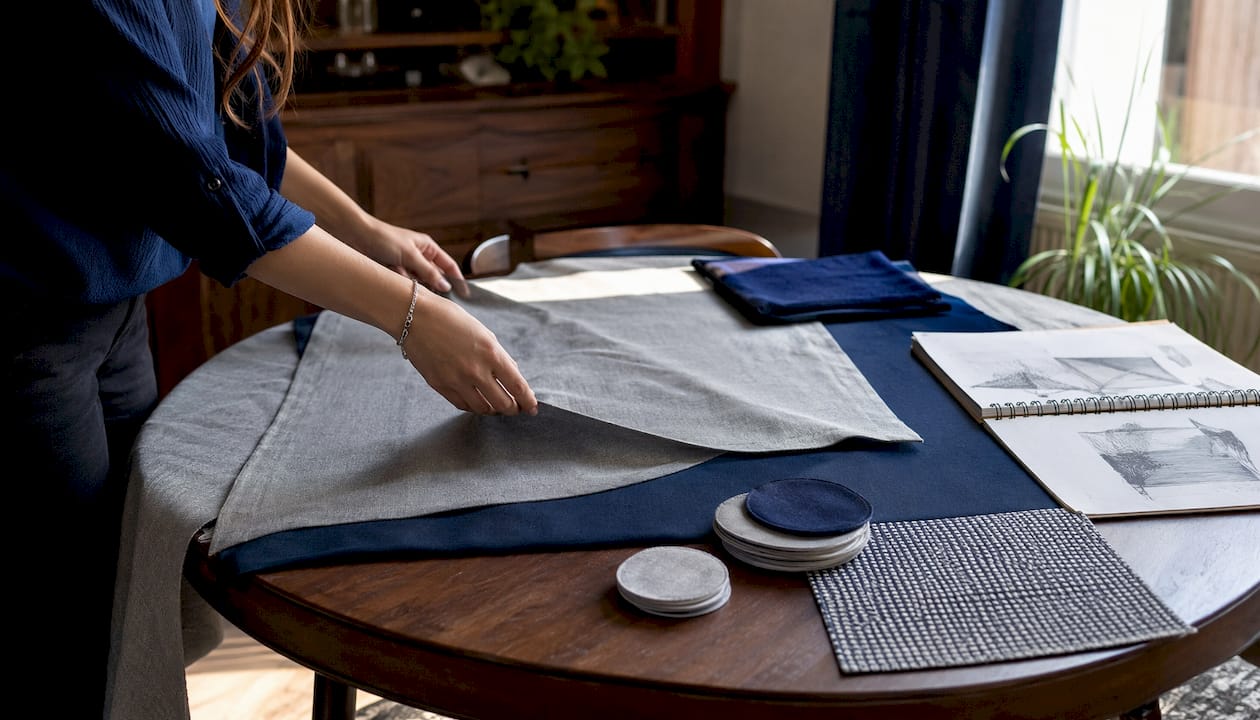
- Layering: Runners, overlays, and napkins add dimension without requiring a full tablecloth change for seasonal updates.
- Durability: Quality linens that withstand hundreds of washes cost less per use over time than cheaper alternatives that degrade after 80 cycles.
- Branding: Custom woven logos and branded napkins reinforce identity at every cover, particularly in fine dining and themed venues.
Operational impact and aesthetic impact are not separate decisions. Every textile choice you make affects both simultaneously.
How to choose the right tablecloth shape and size
Tablecloth shape must match the table geometry. A circular cloth on a square table will never drape evenly on all four sides, regardless of size. The same logic applies in reverse: a square cloth on a round table can work as a layered design choice, but only when the layering is intentional and executed precisely.
Standard drop lengths and what they signal
The drop length is the distance the cloth hangs below the tabletop edge. It communicates formality and affects safety:
- A moderate drop for casual dining settings, economical and practical for high-turnover environments.
- A moderate drop length for semi-formal settings, providing lap-level coverage and a polished but relaxed appearance.
- A typical banquet drop length that covers the table well for events without restricting staff movement.
- A floor-length drop associated with formal and upscale settings, though excessively long cloths may create tripping hazards.
Calculating the correct size
The formula is consistent across all table shapes: (drop in inches × 2) + tabletop dimension in inches = required cloth size.
| Table type | Table dimension | Drop | Formula | Cloth size needed |
|---|---|---|---|---|
| Round | — | 15 in. | (drop × 2) + tabletop dimension | — |
| Square | 30 in. width | 30 in. | (30×2) + 30 | — |
| Rectangular | — | 15 in. | (drop × 2) + tabletop dimension | — |
Ordering the closest standard size to your calculation is usually sufficient. When your tables are non-standard, custom sizing is the only way to achieve a clean, professional result.
Pro Tip: Always measure your actual tables, not the manufacturer’s listed dimensions. Tables in active restaurant use often differ slightly from spec due to wear or replacement.
Selecting colors and fabric quality for dining table textiles
Color choice is a brand decision, not just a decorating one. Your tablecloths and napkins sit in a guest’s field of view for the entire meal. Timeless options like white, ivory, and black offer versatility across service types and resist going out of style before they wear out. Patterns and bold colors can work, but they carry the risk of looking dated before the linen reaches the end of its useful life.
When selecting colors, consider:
- Restaurant branding: Align linen colors with your logo palette and interior design.
- Dishware contrast: A white plate on a white tablecloth disappears. A warm ivory cloth makes white porcelain pop.
- Seasonal flexibility: Neutral base cloths let you update the look with colored napkins for holidays or seasonal menus without replacing the full linen program.
- Trend direction: Light, beige shades lead table textile colors in 2026, reflecting a broader preference for understated, clean aesthetics.
Fabric types and their trade-offs
Cotton-polyester blends are the industry standard for most restaurant operations. They resist staining better than pure cotton, hold up to commercial washing cycles, and require less pressing time. Pure cotton delivers a superior hand feel and visual weight on the table, which is why fine dining restaurants and luxury hotel restaurants frequently specify it, accepting the additional pressing labor as part of the service standard.
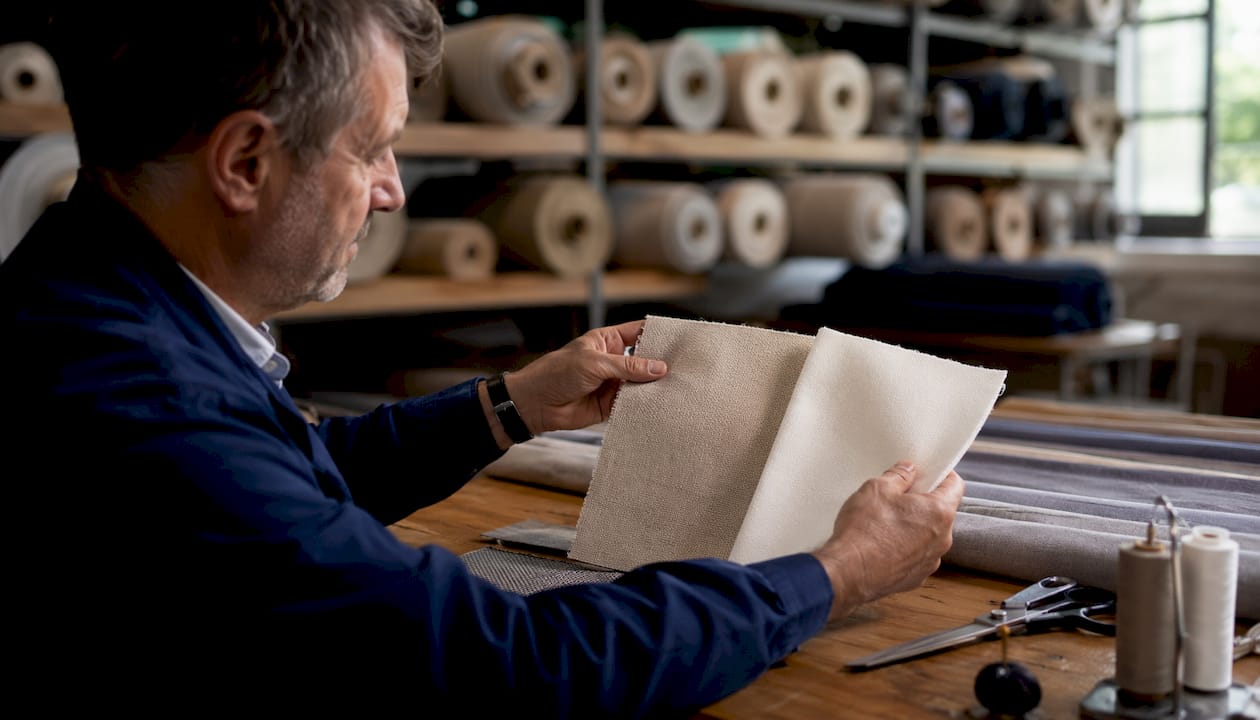
Guest satisfaction correlates directly with the tactile quality of what guests touch. A napkin that feels thin or synthetic signals low investment in the dining experience, regardless of how good the food is. Performance fabrics with wrinkle-free and stain-resistant finishes address the operational side without sacrificing appearance. OEKO-TEX certification has become a standard procurement requirement in hospitality, confirming that dyes and finishes meet safety thresholds for food-contact environments.
For napkins specifically, fine dining settings favor larger sizes for a generous and luxurious impression when folded and placed on a charger plate.
Common types of restaurant table setups involving textiles
1. Formal fine dining
White or ivory tablecloths, floor-length or at a 15-inch drop, pressed to a sharp finish. A silence cloth underneath muffles the sound of glassware and gives the tablecloth a fuller, smoother drape. Napkins at 22×22 inches, folded into a bishop’s hat or simple rectangle and placed centered on the charger plate. 20×20 inches is the minimum for fine dining, but 22×22 inches is increasingly preferred for a luxurious feel. Every fold matches every table in the room.
“Worldwide, you do notice that Michelin-starred restaurants remain loyal to table linen or napkins. Beautifully ironed linen demonstrably adds a touch of sophistication and creates a warmer atmosphere.” — Thomas Silversmet, sales director, De Witte Lietaer
2. Casual bistro or café
A 6–8 inch drop, often in a cotton-polyester blend that handles multiple daily services without constant pressing. Napkins can contrast the tablecloth color to add visual interest. Patterned options work well here because the casual format tolerates bolder design choices. Runners placed down the center of communal tables add texture without requiring full tablecloth coverage.
3. Banquet and event style
Tablecloths at a 15-inch drop for seated dinners, floor-length for buffet and display tables where the table structure should be hidden entirely. Overlays in a contrasting color or texture add visual depth to long banquet runs. Napkins are typically pre-folded and placed on the charger or to the left of the forks, depending on the formality level of the event.
4. Minimalist modern
Bare tables or light wood surfaces with a single premium runner down the center and high-quality napkins at each cover. No tablecloth. This setup reduces laundry volume significantly and lets the food presentation take visual priority. The runner provides texture and color without covering the table entirely, and the napkin quality carries the tactile impression of the setting.
5. Branded textile presentation
Custom-woven logos or printed napkins and tablecloths that reinforce the restaurant’s identity at every cover. Particularly effective for fine dining establishments, specialty cafés, and themed venues. Establishments that use branded table linens build stronger brand recognition and create a more cohesive visual environment. Logos can be woven directly into the base fabric for tablecloths, or embroidered onto napkins in quantities as low as 100 pieces.
6. Layered luxury casual
Premium linen programs are no longer exclusive to fine dining. Casual restaurants increasingly use layered place settings with high thread-count napkins, coordinated runners, and charger plates to communicate quality without the full formality of a fine dining setup. The layering creates visual depth and signals investment in the guest experience.
7. Seasonal and event-driven setups
A neutral base tablecloth program with napkins that rotate by season or occasion. Pink napkins for spring or Mother’s Day, deep burgundy for fall, white and gold for New Year’s Eve. This approach keeps the dining room feeling current without requiring a complete linen overhaul. Runners and overlays can also rotate seasonally at lower cost than replacing full tablecloths.
2026 trends: minimalism and sustainability in restaurant table textiles
The clearest shift in restaurant table linen trends for 2026 is the move toward doing more with less. Minimalist table settings using runners or bare tables paired with premium napkins are gaining ground across dining formats, from upscale casual to fine dining. The appeal is practical as well as aesthetic: fewer layers mean less laundry, lower labor costs, and a cleaner visual frame for food presentation.
Sustainability has moved from a marketing angle to a procurement requirement. Demand for Global Recycled Standard-certified linens is growing among food and beverage managers who need to balance environmental commitments with guest expectations for softness and quality. Airlaid napkins made from wood pulp fibers bonded with air rather than water represent a practical innovation: they are recyclable, require no laundry, and perform well in upscale settings. Burger & Lobster adopted airlaid napkins branded with their signature phrase “An Elegant Mess,” demonstrating that single-use does not mean low-end.
Pro Tip: When evaluating sustainable napkin options, check whether the product carries both Global Recycled Standard certification and OEKO-TEX compliance. Either alone is insufficient for a complete procurement case.
Key trends shaping restaurant textile design in 2026:
- Minimalist setups: Runners and premium napkins replacing full tablecloth programs in modern dining formats.
- Beige and light neutrals: The dominant color direction, replacing the stark white that defined the previous decade.
- Performance fabrics: Wrinkle-free and stain-resistant weaves that maintain a polished appearance through multiple daily services with less pressing labor.
- Certified materials: OEKO-TEX and Global Recycled Standard certifications becoming standard procurement requirements, not differentiators.
- Branded personalization: Custom logos woven or embroidered into napkins and tablecloths, reinforcing identity at every cover.
- Regional sourcing: Shorter supply chains from regional manufacturers offering faster lead times, smaller minimum orders, and reduced freight exposure.
The operational case for these trends is as strong as the aesthetic one. A minimalist linen program with certified, performance-grade fabrics reduces replacement frequency, cuts laundry costs, and keeps tables consistently presentable with less staff time per service. For restaurant managers running tight margins, that combination is worth more than any single design choice.
Gjergjihtextil has supplied restaurant-grade textiles to premium hospitality operations for over 30 years, working with properties that include Marriott, Meliá, and Sheraton. Whether you are building a new linen program or replacing worn inventory, Gjergjihtextil offers wholesale tablecloths, napkins, and runners with full customization options, certified fabric sourcing, and the supply chain depth to fulfill at volume without compromising on quality.
Key Takeaways
The most effective restaurant table textile program combines correct sizing, durable fabric selection, and a consistent layering strategy that supports both brand identity and daily operational demands.
| Point | Details |
|---|---|
| Size calculation | Use (drop × 2) + tabletop dimension; exact measurements depend on your table and drop length. |
| Drop length by format | 6–8 inches for casual, 15–30 inches for semi-formal to formal settings, floor-length (30 inches or greater) for the most formal arrangements. |
| Fabric standard | Cotton-polyester blends handle high-volume laundering; pure cotton suits premium settings that can absorb pressing labor. |
| Certification matters | OEKO-TEX certification confirms dye and finish safety for food-contact environments; Global Recycled Standard covers sustainability claims. |
| 2026 direction | Minimalist setups with runners and premium napkins reduce laundry costs while light, beige neutrals lead color preferences. |