

TL;DR:
- Hotels in the Balkans improve guest satisfaction by upgrading textiles to meet professional standards, including 400TC sateen bed linens and 600–700 GSM towels. Proper sourcing, inspection, and seasonal fiber choices enhance comfort, durability, and operational efficiency. Sustainable options like BCI cotton and AI-driven quality control support responsible, consistent textile management.
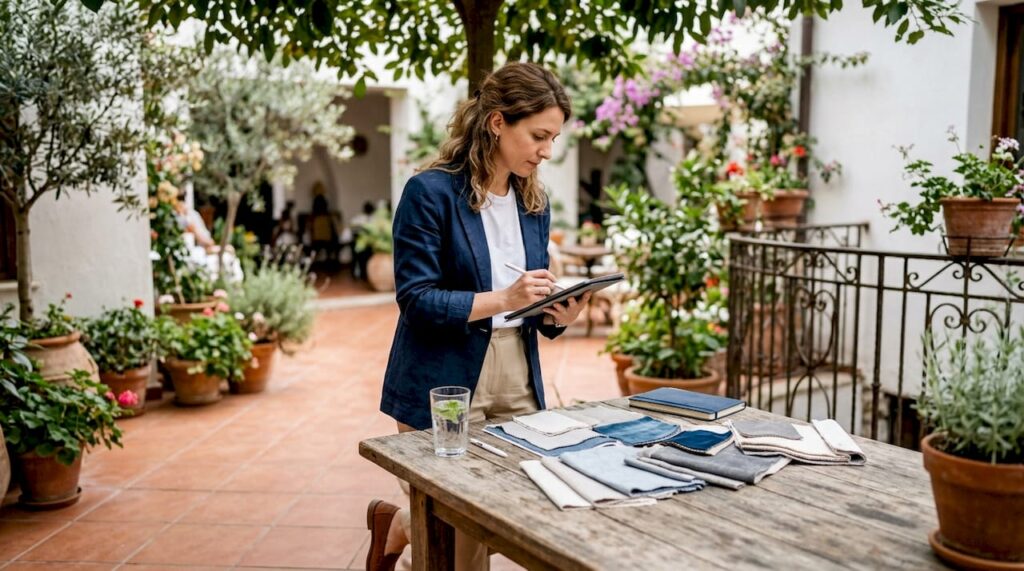
Guest room textile upgrades are defined as targeted improvements to bedding, towels, curtains, and decorative accessories that raise comfort, durability, and visual quality to professional hospitality standards. Hotels across the Balkans that invest in these upgrades see measurable gains in guest satisfaction and repeat bookings. The 2026 benchmark for bed linens sits at 400 thread count (TC) sateen, while bath linens require 600–700 grams per square meter (GSM) to meet luxury expectations. Getting these specifications right is not optional. It is the baseline for any property competing in today’s mid-to-upper hospitality market.
1. Upgrade to 400TC sateen bed linens

Hotels transitioning to 400TC sateen linens experience an average 1.2-point increase in guest comfort ratings. That single number justifies the investment for most properties. Sateen weave produces a smooth, silky surface that guests associate with premium hotel stays, and it holds up well under industrial laundering cycles.
The key decision point is fiber quality, not just thread count. Long-staple cotton fibers deliver superior breathability and resist pilling far better than short-staple alternatives, regardless of the number printed on the label. Percale weave offers a crisper, cooler feel suited to warmer Balkan summers, while sateen performs better in cooler seasons.
- Sateen: Silky surface, slight sheen, warmer feel, ideal for autumn and winter
- Percale: Matte finish, crisp texture, cooler hand, ideal for summer months
- Cost-per-wash metric: Calculate total cost divided by expected wash cycles to compare value across linen grades
Pro Tip: Request a sample batch of 20–30 pieces before committing to a full order. Wash them 10 times and assess shrinkage, color retention, and hand feel before signing a supply contract.
2. Select professional-grade towels at 600–700 GSM
Professional hospitality towels in 2026 fall in the 600–700 GSM range, which balances plushness with practical drying times. A towel below 500 GSM feels thin and dries quickly but lacks the weight guests expect in a quality room. A towel above 750 GSM absorbs well but takes too long to dry in high-humidity Balkan coastal climates.
Zero-twist cotton yarn technology produces towels that are exceptionally soft straight from the dryer. The yarn is not twisted before weaving, which creates more surface area for water absorption and a plush, looped pile that stays soft through repeated washes. This matters operationally because it reduces the need for fabric softeners that degrade fiber over time.
- GSM 600–650: Best for properties with fast laundry turnaround requirements
- GSM 650–700: Best for luxury tiers where plushness is the primary guest expectation
- Zero-twist yarn: Prioritize this construction for bath sheets and hand towels
Pro Tip: Match your bathrobe weight and weave to your towel specification. Consistent textile quality across bath linens creates a unified sensory experience that guests notice and remember.
3. Install blackout curtains with sound-absorbing texture
Dense woven blackout curtains with textured surfaces improve sleep quality by blocking ambient light and absorbing noise. This is not a minor comfort detail. Sleep quality has become a primary driver of guest satisfaction scores in 2026, with the “Sleep Economy” trend shaping purchasing decisions across the hospitality sector.
Three-pass coated blackout fabric blocks over 99% of light when properly installed with overlap returns at the wall. Jacquard and chenille weave patterns add visual depth to the room while their dense pile absorbs mid-frequency noise from corridors and street traffic. In Balkan cities with active nightlife, this combination directly reduces noise complaints.
- 3-pass blackout coating: Provides full light elimination without a separate lining layer
- Jacquard weave: Adds pattern and texture without requiring printed fabric, which fades faster
- Chenille pile: Absorbs ambient noise and adds tactile warmth to the room aesthetic
- Energy efficiency: Thick curtain fabric reduces heat loss in winter and solar gain in summer, lowering utility costs
4. Replace bed runners with full-width knitted throws
The traditional narrow bed runner is giving way to full-width knitted throw blankets that drape across the foot of the bed. This shift reflects the slow living aesthetic trend in hospitality design, which favors weighty, tactile textiles that signal authenticity and care. Guests in 2026 associate chunky knits and natural linen textures with genuine comfort rather than generic hotel decor.
Bouclé fabric, chunky wool-blend knits, and washed linen throws each serve a different positioning purpose. Bouclé reads as contemporary and design-forward. Chunky knits signal warmth and residential comfort. Washed linen communicates a relaxed, Mediterranean sensibility that fits Balkan coastal properties particularly well.
| Textile Type | Best Fit | Key Benefit |
|---|---|---|
| Bouclé throw | Design-forward urban hotels | Contemporary visual texture |
| Chunky knit blanket | Mountain and resort properties | Warmth and residential feel |
| Washed linen throw | Coastal and boutique hotels | Relaxed, regional character |
| Jacquard runner (traditional) | Classic or formal hotel tiers | Structured, formal presentation |
Custom embroidery or woven jacquard branding on throws and cushion covers reinforces brand memory without visible signage. A guest who photographs the bed for social media carries your brand identity with them.
5. Add textured cushions for tactile and visual depth
Cushions are the fastest way to change a room’s visual register without a renovation. Hospitality wellness trends in 2026 confirm that guests associate hand-textures and weighty weaves with authenticity and care. Two or three well-chosen cushions in contrasting textures communicate design intention more effectively than a full set of matching decorative pillows.
Pair a smooth velvet cushion with a ribbed knit cover and a flat-woven linen cushion for layered visual interest. Keep the color palette tight, within two or three tones, so the texture carries the design rather than competing colors. This approach works across hotel tiers from boutique to four-star.
6. Adopt cotton-Tencel fiber blends for bed and bath
Long-staple cotton blended with Tencel offers moisture-wicking properties, faster drying times, and a cooler hand feel compared to 100% cotton. For Balkan hotels operating through hot summers and humid coastal seasons, this blend reduces laundry drying time and improves guest comfort simultaneously. Tencel is derived from sustainably sourced wood pulp, which also strengthens a property’s sustainability credentials.
The practical benefit is operational. Faster drying means faster room turnover. Linens that wick moisture away from the skin also reduce the perception of heat in rooms without air conditioning, which remains common in older Balkan properties. You get a comfort upgrade and a laundry efficiency gain from one specification change.
7. Source textiles under the Better Cotton Initiative
Sustainable sourcing is no longer a marketing add-on. Guests actively check environmental credentials, and procurement decisions now carry reputational weight. The Better Cotton Initiative (BCI) sets traceable standards for water use, pesticide reduction, and fair labor in cotton farming. Sourcing BCI-certified cotton signals to guests and travel platforms that your property operates responsibly.
Recycled polyester fiber blends are a second option for non-skin-contact textiles like curtain linings, decorative cushion fills, and mattress protectors. These materials reduce virgin plastic consumption without compromising performance. Gjergjihtextil’s sustainable textile sourcing options for Balkan hotels cover both BCI cotton and recycled fiber alternatives, giving you a clear procurement path.
8. Apply AI-driven quality control to your textile orders
AI defect detection achieves 99.2% accuracy in identifying weaving flaws in hotel textiles. That level of precision eliminates the subjectivity of manual inspection and catches defects that human inspectors miss under standard lighting conditions. For hotel managers ordering large volumes, this technology means fewer defective items entering stock and fewer guest complaints tied to linen quality.
You do not need to operate the AI system yourself. Suppliers who integrate this technology into their production and quality assurance process pass the benefit directly to you through more consistent deliveries. When evaluating suppliers, ask specifically whether defect detection is automated or manual. The answer tells you a great deal about their quality control maturity. Gjergjihtextil’s approach to textile fabric testing covers this standard for hotel and restaurant clients.
9. Implement 3D seamless knitting for eco-friendly accessories
3D seamless knitting reduces textile production waste by 30% compared to traditional cut-and-sew methods. That reduction matters both environmentally and economically, since less wasted yarn means lower production cost per unit. For decorative accessories like cushion covers, throws, and pillow shams, seamless knitting also produces a cleaner finish with no seam bulk.
The technology is now accessible at commercial hospitality volumes, not just in high-end fashion production. Properties that specify seamless knitted accessories gain a quality advantage that guests can feel, even if they cannot name the manufacturing method. The absence of seams at pressure points also extends the usable life of the item through repeated washing.
10. Conduct item-by-item inspections on every delivery
Proper item-by-item textile inspection upon delivery is the single most effective way to prevent quality failures from reaching guest rooms. Hotels that skip batch inspection and rely on supplier assurances alone regularly discover shrinkage, GSM shortfalls, or weaving defects only after items enter rotation. By then, the cost of replacement and the reputational damage from guest complaints far exceed the time saved by skipping inspection.
Rigorous textile inspections should include shrinkage checks after the first wash, GSM verification against the purchase specification, and visual defect scanning under consistent lighting. Reject any batch that falls outside your agreed tolerances. This is not a negotiation. It is a quality standard that protects your brand.
Pro Tip: Create a simple receiving checklist with three columns: item name, specification (GSM or TC), and pass/fail. Train your housekeeping supervisor to complete it for every delivery before items enter the linen room.
Key Takeaways
The most effective guest room textile upgrades combine precise material specifications, consistent sensory quality across all touchpoints, and rigorous delivery inspection to protect both guest experience and hotel investment.
| Point | Details |
|---|---|
| Bed linen specification | Use 400TC sateen with long-staple cotton for the best balance of comfort and durability. |
| Towel GSM standard | Select 600–700 GSM towels to meet luxury expectations while maintaining laundry efficiency. |
| Curtain performance | Install 3-pass blackout curtains with jacquard or chenille texture to improve sleep quality and reduce noise. |
| Sustainable sourcing | Specify BCI cotton or cotton-Tencel blends to meet guest expectations and reduce laundry costs. |
| Delivery inspection | Check every batch for shrinkage, GSM, and defects before items enter guest room rotation. |
What 30 years of textile supply taught me about hotel upgrades
Most hotel managers I speak with focus on thread count first. That instinct is understandable but wrong. Thread count is a marketing number. Fiber quality and weave construction are the operational numbers. A 600TC sheet made from short-staple cotton will pill and degrade faster than a 400TC sheet made from Egyptian long-staple cotton. The label sells the room. The fiber keeps the guest coming back.
The second mistake I see consistently is treating textile upgrades as a one-time purchase decision rather than a system. Bed linens, bath towels, bathrobes, and decorative throws need to work together as a sensory package. When one element is noticeably lower quality than the others, guests feel the inconsistency even if they cannot articulate it. A five-star towel paired with a three-star pillowcase creates cognitive dissonance that lands in the review as “something felt off.”
The Balkan market has a specific challenge that Western European guides rarely address. Humidity levels in coastal properties and temperature swings in mountain resorts mean that fiber performance varies by season and location. A cotton-Tencel blend that works perfectly in Tirana may need adjustment for a property in Ohrid or Budva. Regional sourcing partners who understand these microclimates are worth more than a generic international catalog.
My honest recommendation: start with towels. They are the highest-touch item in any guest room, they wear out fastest, and upgrading them delivers the most immediate and measurable impact on guest perception. Get the GSM right, get the fiber right, and inspect every delivery. The rest of the upgrade list follows naturally once you have that foundation in place.
— Xpert
Gjergjihtextil’s hotel textile portfolio for Balkan properties
Gjergjihtextil has supplied hotel textiles to properties across the Balkans and beyond for over 30 years, working with brands including Meliá, Marriott, and Sheraton. That track record reflects a supply chain built for volume, consistency, and quality control at every stage from import to delivery.
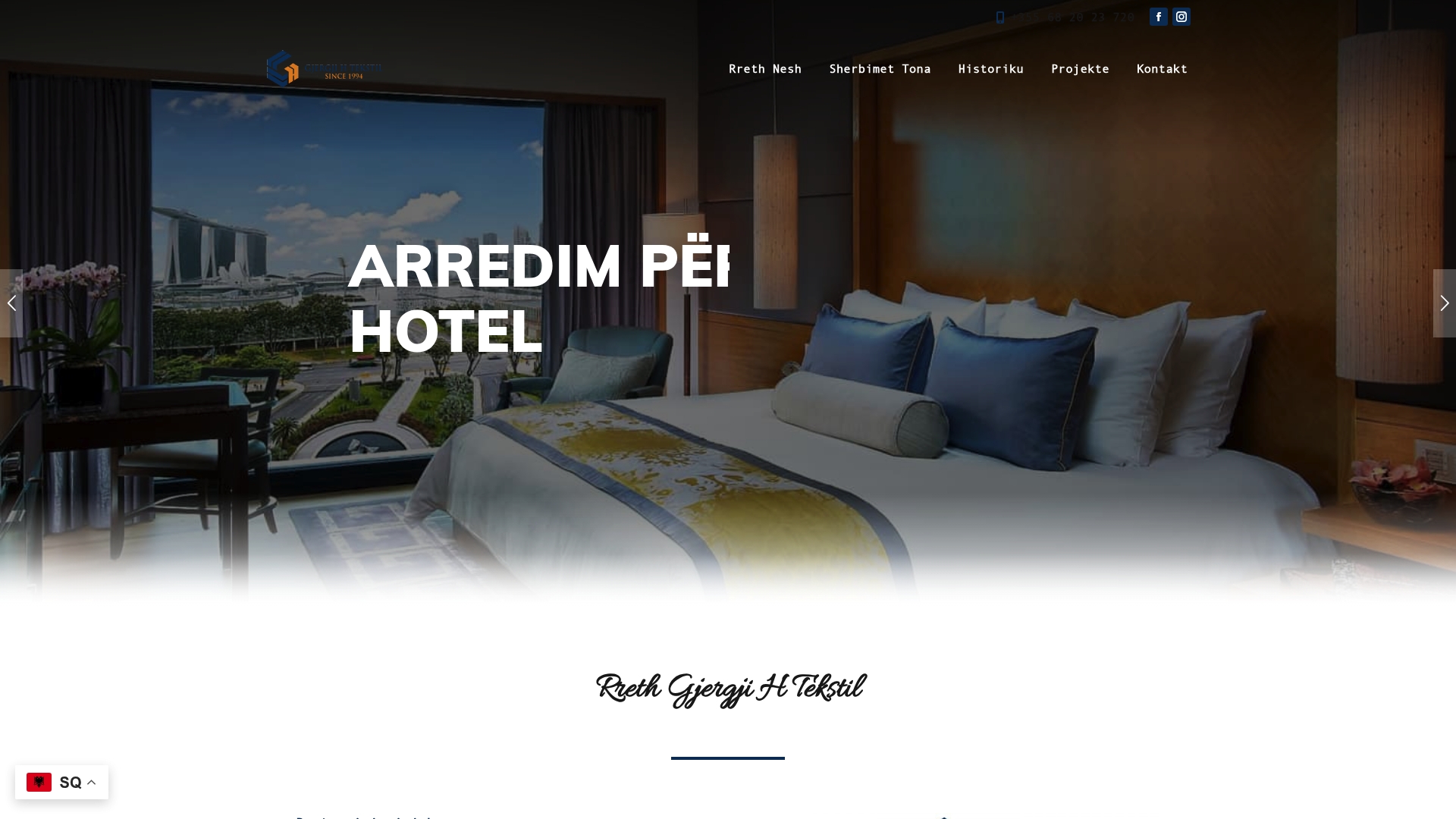
The full hotel textile portfolio covers bed linens, towels, bathrobes, curtains, and decorative accessories, all sourced and specified to 2026 hospitality standards. Gjergjihtextil also offers custom production for branded throws, embroidered cushion covers, and tailored uniform programs. For managers who want guidance before committing to a full order, the hotel textile selection tips resource covers specification decisions by property tier and climate. Contact Gjergjihtextil directly to discuss your property’s requirements and request a sample set before placing a bulk order.
FAQ
What thread count is best for hotel bed linens?
400TC sateen made from long-staple cotton is the 2026 industry benchmark for hotel bed linens. It balances softness, breathability, and durability under industrial washing cycles.
What GSM should hotel towels be?
Hotel towels should fall in the 600–700 GSM range. This weight delivers the plushness guests expect while keeping drying times practical for high-volume laundry operations.
How do blackout curtains improve guest experience?
Dense woven blackout curtains block light and absorb ambient noise, directly improving sleep quality. Three-pass coated fabric with jacquard or chenille texture provides both functions in a single panel.
What is the Better Cotton Initiative and why does it matter?
The Better Cotton Initiative (BCI) is a global standard for traceable, responsibly farmed cotton that reduces water use and pesticide application. Sourcing BCI-certified textiles strengthens a hotel’s sustainability credentials with environmentally conscious guests.
How should hotels inspect textile deliveries?
Check each batch for shrinkage after the first wash, verify GSM against the purchase specification, and scan for weaving defects under consistent lighting. Reject any batch that falls outside agreed tolerances before items enter the linen room.