

TL;DR:
- Indoor-outdoor textiles are performance fabrics designed for dual environments, combining synthetic fibers and protective coatings for durability and aesthetics. They resist UV fading, moisture, and abrasion, making them suitable for high-traffic and weather-exposed settings like hospitality and family spaces. Proper selection and maintenance extend their lifespan, ensuring long-term value and reduced environmental impact.
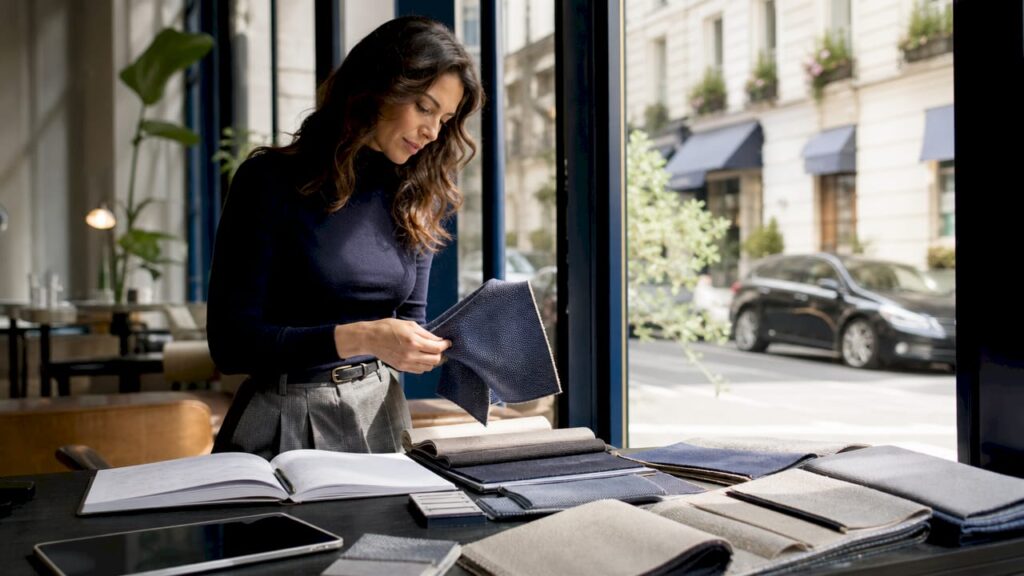
Indoor-outdoor textile use refers to the application of performance fabrics engineered to function effectively in both interior and exterior environments. These textiles combine synthetic fiber construction with specialized chemical finishes to resist UV fading, moisture, mildew, and abrasion. The industry term for this category is “performance fabric,” and understanding what is indoor-outdoor textile use means understanding where durability and aesthetics must coexist. For interior designers, hospitality managers, and homeowners, these fabrics solve a real operational problem: how to maintain a polished, comfortable space under heavy use without constant replacement.
What is indoor-outdoor textile use, and how does it work?
Indoor-outdoor textile use is defined as deploying performance fabrics in dual environments where standard fabrics would degrade quickly. These textiles are engineered with synthetic fibers such as solution-dyed acrylic, polyester, and olefin, each chosen for specific performance traits. Protective polyurethane coatings prevent water penetration and fading. Tight weave structures and chemical treatments reinforce stain resistance and abrasion durability.
The result is a fabric category that sits between purely decorative indoor textiles and purely technical outdoor materials. A hotel lobby chair upholstered in a performance fabric can handle spilled coffee, direct sunlight through a glass facade, and thousands of guests per year without showing significant wear. That is the core value proposition.
What materials and manufacturing techniques define indoor-outdoor textiles?
The three most common fibers in indoor-outdoor textiles are solution-dyed acrylic, olefin (also called polypropylene), and polyester. Each offers a different balance of softness, cost, and weather resistance.
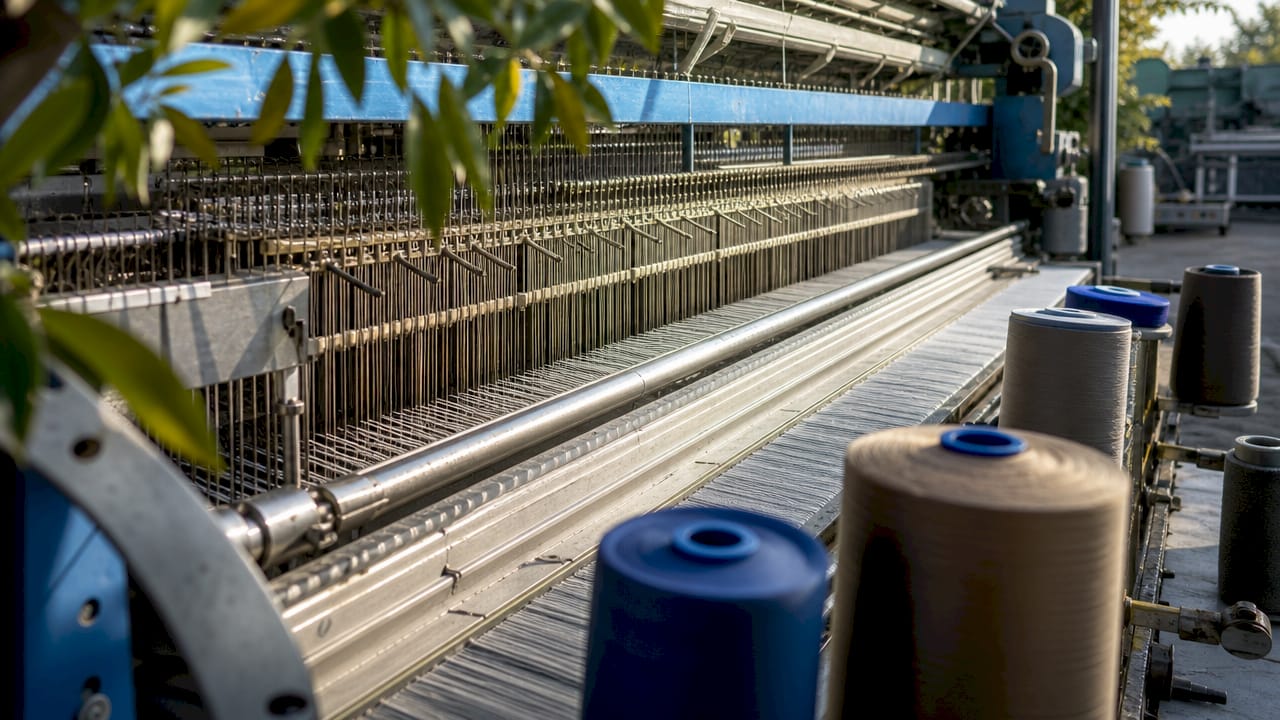
Solution-dyed acrylic is the premium choice. Color pigment is infused directly into the fiber during manufacturing, not applied to the surface afterward. This means UV exposure cannot strip the color away, because the pigment is part of the fiber itself. The result is vibrant color that holds up under prolonged sun exposure, which is why solution-dyed acrylic appears frequently in high-end hospitality and residential projects.
Olefin is the workhorse fiber. It is naturally hydrophobic, meaning water cannot penetrate the fiber structure at all. Olefin fabrics can tolerate bleach cleaning at a 1:10 dilution ratio, which makes them practical for commercial environments where sanitation matters. Polyester sits in the middle: more affordable than acrylic, softer than olefin, and widely used in mid-range upholstery applications.
Beyond fiber choice, manufacturing techniques matter significantly:
- Polyurethane membrane coatings are applied to the fabric back to block water penetration entirely.
- Tight weave construction reduces the surface area exposed to dirt, mold spores, and abrasive contact.
- Chemical stain-resist treatments create a barrier on the fabric face that causes liquids to bead and roll off.
- Heat-setting processes stabilize the weave structure and prevent distortion under stress.
Pro Tip: When specifying fabrics for a hospitality project, always request the Martindale abrasion rating from your supplier. High-performance indoor-outdoor fabrics exceed 50,000 Martindale cycles, with some professional-grade options surpassing 55,000 cycles. That number tells you more about real-world durability than any marketing description.
How do indoor-outdoor textiles compare to traditional indoor and outdoor fabrics?
The distinction between fabric categories is not just technical. It shapes which spaces you can use them in and what guest or resident experience you deliver.
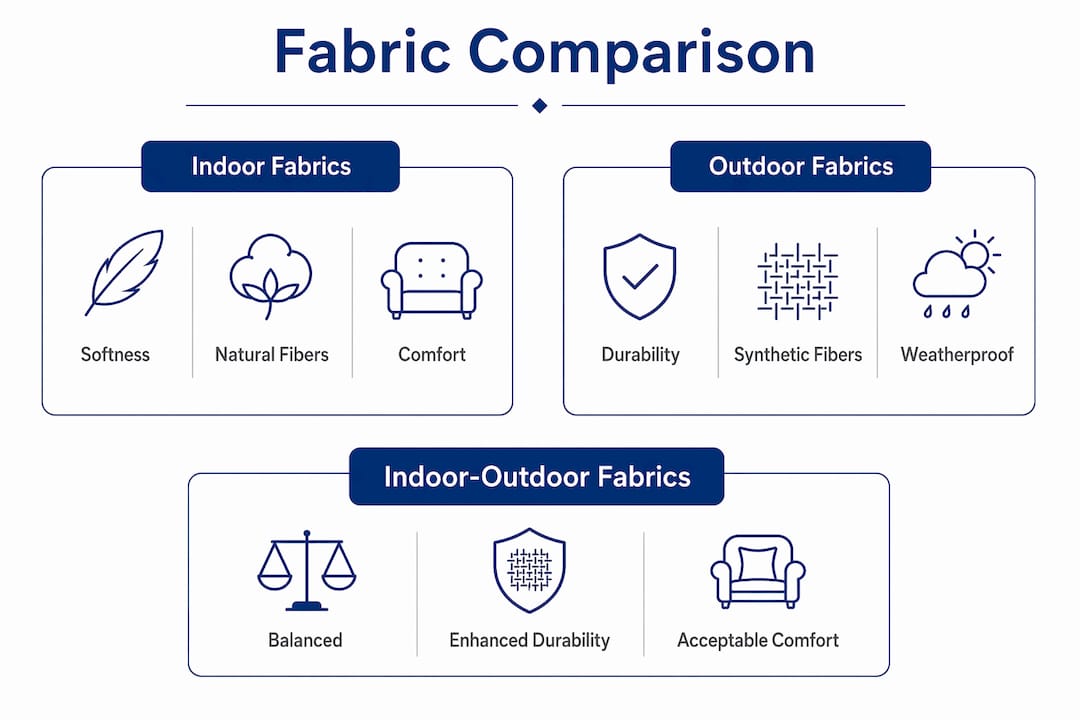
Indoor fabrics are softer and designed primarily for comfort. Natural fibers like linen, cotton, and wool dominate this category. They feel luxurious against skin, drape beautifully, and offer a wide range of textures. The trade-off is vulnerability: these fabrics stain easily, fade under UV exposure, and cannot tolerate moisture without risk of mold.
Purely outdoor fabrics are the opposite. They prioritize technical performance over comfort. Marine-grade vinyl, coated canvas, and solution-dyed polyester mesh are built to survive rain, sun, and temperature swings. They feel stiff and utilitarian, which limits their appeal in interior design contexts.
Indoor-outdoor performance fabrics bridge these demands with enhanced durability and acceptable aesthetics. They are not as soft as a fine linen, but they are far more comfortable than a marine vinyl. They resist weather like an outdoor fabric, but they look polished enough for a hotel lobby or a well-designed family room.
| Attribute | Traditional indoor fabric | Purely outdoor fabric | Indoor-outdoor performance fabric |
|---|---|---|---|
| Softness and comfort | High | Low | Moderate |
| UV resistance | Low | High | High |
| Water and mildew resistance | Low | High | High |
| Abrasion resistance | Moderate | Moderate | Very high (50,000+ Martindale) |
| Aesthetic versatility | High | Low | Moderate to high |
| Suitable for luxury comfort | Yes | No | Limited |
| Suitable for high-traffic use | No | Yes | Yes |
One limitation deserves honest acknowledgment. Indoor-outdoor fabrics have firmer hand-feels than traditional indoor textiles. The synthetic fibers and coatings necessary for durability reduce pliability. For a formal sitting room or a luxury bedroom, this trade-off may not be acceptable. For a hotel dining chair or a family room sofa with pets and children, it is the right call.
What are practical applications of indoor-outdoor textiles in residential, hospitality, and commercial settings?
The uses of outdoor indoor fabrics span a wider range of environments than most designers initially consider. The key is matching the fabric’s performance profile to the specific demands of the space.
-
Mudrooms and entryways. These are the highest-abuse zones in any home. Dirt, moisture, and foot traffic make standard upholstery impractical. A bench cushion in solution-dyed olefin can be wiped clean with a damp cloth and will not absorb the mud tracked in from outside.
-
Family rooms with children or pets. Upholstery in homes with pets or young children faces constant abrasion, spills, and odor. Abrasion resistance exceeding 50,000 Martindale cycles means the fabric outlasts the furniture frame itself in most cases.
-
Hotel lobbies and public seating areas. High-traffic lobbies see hundreds of guests daily. Performance fabrics on lobby seating maintain their appearance through industrial cleaning cycles without fading or pilling. Gjergjihtextil supplies hotels including Marriott and Sheraton with textiles built to these exact standards.
-
Hotel and restaurant dining areas. Chair upholstery in dining environments faces food spills, cleaning chemicals, and constant friction. A fabric with a tight weave and stain-resist treatment keeps dining chairs looking fresh through multiple service periods per day. For guidance on textile selection for dining spaces, the specific performance requirements differ from lobby or guest room applications.
-
Outdoor terraces and covered patios. This is the most obvious application. Cushions, drapes, and upholstered seating on covered terraces benefit from full weather resistance while still needing to look designed and intentional.
Pro Tip: In hospitality settings, specify the same indoor-outdoor fabric across both interior and exterior seating zones in a single venue. This creates visual continuity and simplifies your procurement and maintenance protocols. One fabric, one cleaning procedure, one reorder process.
Durable textiles reduce environmental impact in the hospitality sector by extending furniture life and reducing replacement frequency. A hotel that replaces chair upholstery every eight years instead of every three years generates significantly less waste and lower long-term costs. Sustainability in commercial interiors is not just an ethical position. It is a financial one.
What maintenance and care practices optimize indoor-outdoor textile longevity?
Performance fabrics require less maintenance than traditional indoor textiles, but they are not maintenance-free. Regular cleaning prevents pollutant buildup that degrades fabric coatings over time. Dirt, pollen, and environmental residue accumulate on the fabric surface and, if left untreated, begin to break down the protective finishes that make these fabrics perform.
A practical maintenance routine for indoor-outdoor textiles includes:
- Weekly vacuuming with a soft brush attachment to remove loose dirt and debris before it works into the weave.
- Immediate spill response. Blot liquids with a clean cloth. Do not rub, which pushes the liquid deeper into the weave structure.
- Monthly wipe-down with a mild soap and water solution for upholstered surfaces in high-traffic areas.
- Deep cleaning with bleach dilution at a 1:10 ratio for solution-dyed olefin fabrics when stains or biological contamination require it. Confirm bleach compatibility with your fabric supplier before applying.
- Air drying only. Heat from dryers or steam cleaners can damage polyurethane coatings and distort weave structure.
The most common mistake is neglecting routine cleaning because the fabric “looks fine.” Soil and pollen buildup is not always visible, but it degrades protective coatings progressively. A fabric that looks clean but has not been vacuumed in months is losing its performance characteristics from the inside out.
Key Takeaways
Indoor-outdoor performance fabrics deliver their full value only when matched to the right application, specified with verified abrasion ratings, and maintained with consistent cleaning protocols.
| Point | Details |
|---|---|
| Definition and core use | Indoor-outdoor textiles are performance fabrics engineered for dual environments using synthetic fibers and protective coatings. |
| Material selection matters | Solution-dyed acrylic offers the best UV resistance; olefin tolerates bleach cleaning; polyester balances cost and softness. |
| Abrasion rating is the key metric | Specify fabrics exceeding 50,000 Martindale cycles for hospitality and high-traffic residential applications. |
| Not a universal comfort fabric | These fabrics have firmer hand-feels and are not suited for luxury comfort applications like formal bedrooms. |
| Maintenance preserves performance | Weekly vacuuming and prompt spill response prevent coating degradation and extend fabric life significantly. |
The case for choosing performance fabrics deliberately, not by default
The most common mistake I see in hospitality and residential projects is treating indoor-outdoor fabrics as a universal upgrade. Designers specify them everywhere because they are durable, and then clients complain that the space feels stiff or cold. The fabric is doing exactly what it was designed to do. The problem is the specification decision.
Performance fabrics belong in high-traffic zones, moisture-prone areas, and spaces where cleaning frequency is high. They do not belong on a formal living room sofa where the primary requirement is tactile comfort. A fine bouclé or a linen blend will always win that comparison on feel, and if the space is not genuinely high-traffic, the durability advantage is irrelevant.
The Martindale abrasion rating is the one number I always check for hospitality projects. A rating above 50,000 cycles is the threshold for commercial use. Anything below that in a hotel dining chair or lobby bench is a specification error, regardless of how good the fabric looks in a sample book.
The sustainability argument for these fabrics is real, but it only holds when the fabric is actually used in a context where it outlasts a standard alternative. A performance fabric on a low-use guest bedroom chair does not deliver a sustainability benefit. The same fabric on a restaurant chair used three times daily for eight years does.
Check the latest hospitality textile trends before finalizing specifications for 2026 projects. The category is evolving quickly, and newer constructions are closing the comfort gap with traditional indoor fabrics.
— Xpert
Gjergjihtextil’s performance textile range for hospitality professionals
Gjergjihtextil has supplied performance textiles to international hotel brands including Marriott, Meliá, and Sheraton for over 30 years. The company operates as a fully integrated supply chain partner, covering import, production, and distribution from a single operation based in Albania.
For hospitality managers and interior designers sourcing wholesale hotel textiles that meet commercial abrasion and durability standards, Gjergjihtextil offers custom production and advisory services tailored to specific project requirements. The team works with clients to match fabric specifications to operational demands, whether for a 30-room boutique property or a large resort complex. Contact Gjergjihtextil directly to discuss fabric specifications, volume pricing, and delivery timelines for your next project.
FAQ
What is indoor-outdoor textile use in simple terms?
Indoor-outdoor textile use means applying performance fabrics engineered with synthetic fibers and protective coatings to spaces that require both durability and aesthetics, such as hotel lobbies, family rooms, and covered terraces.
What are the best indoor-outdoor textiles for hospitality settings?
Solution-dyed acrylic and olefin are the best indoor-outdoor textiles for hospitality use. Both exceed 50,000 Martindale abrasion cycles and resist UV fading, moisture, and the cleaning chemicals used in commercial environments.
Can you use outdoor fabric indoors?
Using outdoor fabric indoors is viable when durability and moisture resistance are the priority, but the firmer hand-feel makes it unsuitable for comfort-focused applications like formal seating or bedrooms.
How do you clean indoor-outdoor fabrics?
Vacuum weekly, blot spills immediately, and deep clean with a mild soap solution monthly. Solution-dyed olefin fabrics tolerate a bleach and water solution at a 1:10 dilution for heavy stains or sanitation requirements.
What is the Martindale rating and why does it matter?
The Martindale rub count measures how many abrasion cycles a fabric withstands before showing wear. Commercial and hospitality applications require fabrics rated above 50,000 cycles to maintain appearance under daily heavy use.