

TL;DR:
- Textile finishing includes mechanical and chemical processes that enhance fabric appearance, durability, and safety for hospitality use. Proper sequencing, like singeing and sanforizing, is essential to prevent issues such as pilling and excessive shrinkage, while finishes like stain resistance and flame retardants ensure performance standards. Integrating AI and automated control systems improves consistency, reduces waste, and maintains high-quality textiles in hotel and restaurant environments.
Key textile finishing techniques are the mechanical and chemical methods applied to fabrics after weaving or knitting to improve their appearance, durability, and functional performance. For hospitality professionals, these processes determine whether a bed linen survives 200 industrial wash cycles or a tablecloth repels a red wine spill without staining. The industry recognizes two primary categories: mechanical finishing, which alters fabric structure physically, and chemical finishing, which bonds functional compounds to fiber surfaces. Both categories work together to meet the strict performance and safety standards that hotel and restaurant textiles must satisfy.
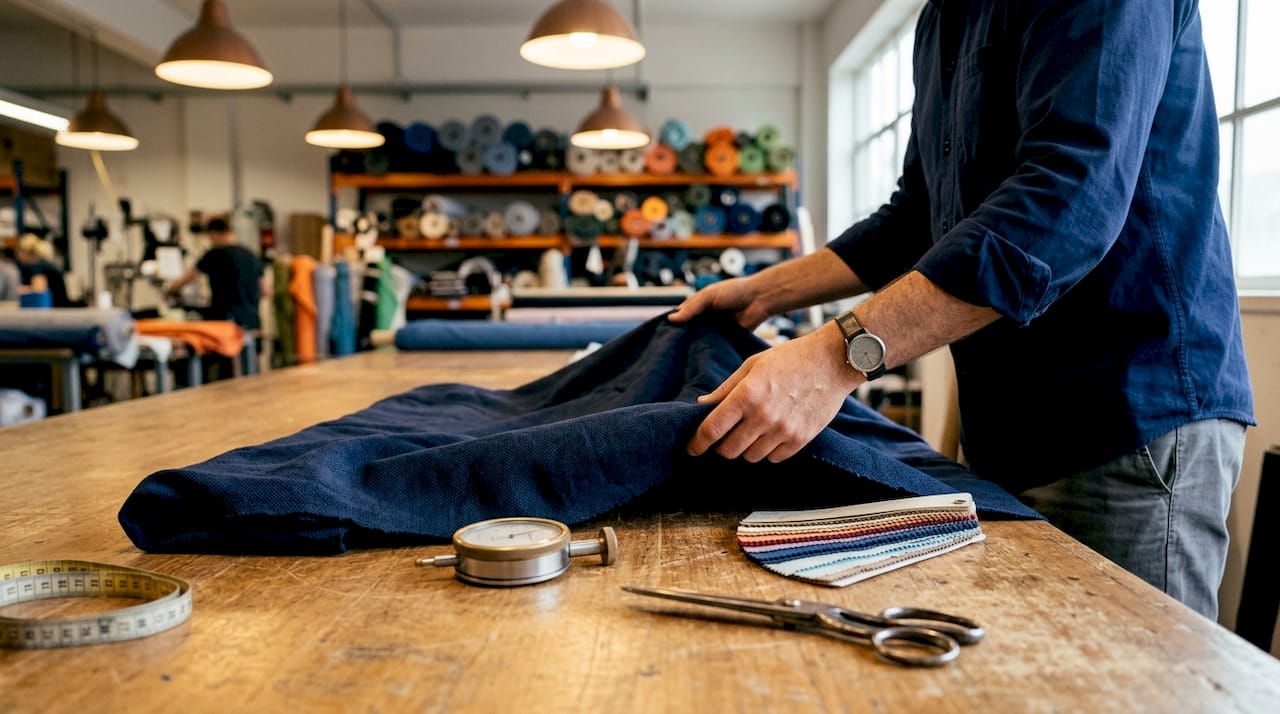
1. Key textile finishing techniques: mechanical vs. chemical
Textile finishing divides into two distinct disciplines, and understanding both is the foundation of any serious fabric specification process. Mechanical and chemical finishing must be executed sequentially with precise control to avoid quality inconsistency and production waste. Mechanical methods reshape fibers through heat, pressure, and friction. Chemical methods bond functional compounds to fiber surfaces through wet processing. Neither approach alone delivers the full performance profile that hospitality textiles require.
The distinction matters practically. A hotel linen that receives only mechanical finishing may look crisp but will absorb stains quickly. A fabric treated only with chemical finishes may repel liquids but feel stiff and uncomfortable against skin. The combination produces textiles that perform across all dimensions: appearance, feel, durability, and safety.
2. Singeing: the first step in surface quality
Singeing is the controlled burning of protruding fiber ends from a fabric surface using gas flames or heated plates. The process removes loose fibers that would otherwise form pills, which are the small fiber balls that make hotel linens look worn after just a few wash cycles. A smooth, singed surface also accepts dyes and chemical finishes more evenly, which directly affects color consistency across large production batches.
For hospitality buyers, singeing is not optional. Fabrics that skip this step show visible pilling within weeks of use in high-turnover environments. The process takes seconds per meter of fabric, but its absence creates quality problems that compound over the entire service life of the textile.
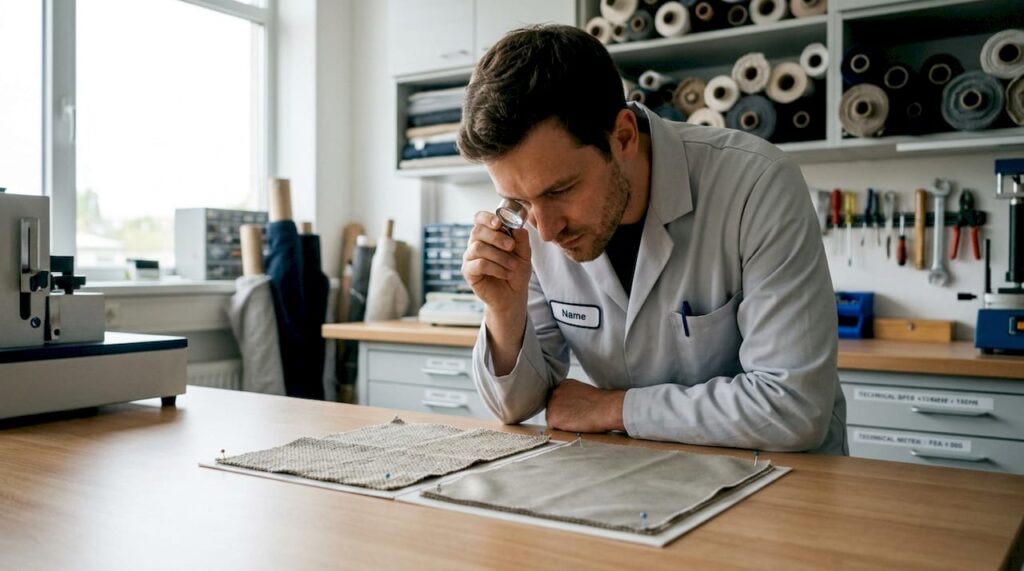
Pro Tip: When evaluating fabric samples, run your hand firmly across the surface under strong light. A singed fabric shows no fiber fuzz. Unsinged fabric reveals a visible halo of loose fibers that signals future pilling problems.
3. Sanforizing: controlling shrinkage to industry standards
Sanforizing restricts fabric shrinkage to 1–3% to maintain fit and appearance in hospitality textiles. This matters because hotel linens and restaurant tablecloths go through industrial laundering at high temperatures repeatedly. Without sanforizing, a fitted sheet that measures correctly on delivery will shrink off the mattress corners after the first wash.
The sanforizing process uses a rubber belt and steam to pre-shrink the fabric mechanically before it reaches the customer. The fabric is compressed to the point where further shrinkage under normal laundering conditions becomes negligible. Hospitality procurement teams should always request sanforizing certification from suppliers, particularly for woven cotton and cotton-blend fabrics.
4. Calendering: luster, density, and surface finish
Calendering passes fabric between heavy heated rollers under high pressure to produce a smooth, lustrous surface. The process compresses the weave structure, which increases fabric density and improves drape. For hotel bed linens, calendering creates the crisp, polished appearance that guests associate with quality. For restaurant tablecloths, it produces the flat, wrinkle-resistant surface that holds a pressed look through an entire service period.
Different roller configurations produce different effects. Friction calendering creates a high-gloss finish. Embossing calendering imprints patterns directly into the fabric surface. Schreiner calendering produces a fine-line texture that softens the appearance of synthetic blends. Each variant serves a specific application within hospitality textiles.
5. Raising, napping, and shearing for softness and volume
Raising uses wire-covered rollers to pull fiber ends to the fabric surface, creating a soft, fluffy texture. Napping is a similar process applied specifically to woven fabrics to produce a uniform pile. Shearing then cuts the raised fibers to a consistent height, which controls the final texture and prevents uneven surfaces. Together, these three mechanical finishing processes define the tactile character of towels, bathrobes, and blankets.
For hospitality applications, the sequence matters. Raising without shearing produces an uneven surface that wears inconsistently. Shearing without raising produces a flat fabric with no softness benefit. The correct sequence delivers the plush, consistent feel that guests expect from premium hotel toweling and bedding.
6. Hydrophobic and oleophobic finishes for stain resistance
Functional finishes lower fabric surface energy below 20 mN/m to repel liquids, which is the standard threshold for stain resistance in hospitality textiles. Hydrophobic finishes repel water-based liquids. Oleophobic finishes repel oil-based substances. Applied together, they create the dual-action stain resistance that restaurant tablecloths and upholstery fabrics require in commercial environments.
These finishes are applied through padding, spraying, or exhaust processes in wet finishing lines. The chemical compounds bond to fiber surfaces and create a low-energy barrier that causes liquids to bead and roll off rather than penetrate. The practical result is that a spilled sauce on a treated tablecloth can be wiped clean without leaving a stain, which protects both the fabric and the dining experience.
Pro Tip: Request a water drop test on fabric samples before purchasing. Place three drops of water on the surface and observe. A properly treated fabric holds the drops as beads for at least 30 seconds. Drops that spread and absorb immediately indicate inadequate or degraded finish.
7. Flame retardant treatments for contract textiles
Flame retardant chemical treatments are mandatory for curtains, upholstery, and decorative textiles used in hotels and restaurants across most jurisdictions. These finishes work by either coating fiber surfaces with compounds that interrupt combustion chemistry or by chemically modifying the fiber itself to reduce flammability. Finishing in hospitality textiles now integrates flame retardancy as a core performance requirement, not an optional add-on.
Procurement teams must verify that flame retardant treatments meet the specific standards required by local fire safety regulations. Treatments that pass one national standard may not satisfy another. Always request test certificates that reference the applicable standard by name and confirm the test was conducted on the finished fabric, not the base material before finishing.
8. Easy-care and wrinkle-resistance finishes
Easy-care finishes use resin-based chemical treatments to cross-link cellulose fibers in cotton and linen fabrics. The cross-linking prevents fibers from shifting during washing, which reduces wrinkling and maintains a pressed appearance with minimal ironing. For hotel housekeeping operations that process hundreds of linens daily, this finish directly reduces labor time and energy costs in the laundry.
Chemical finishes remain effective for 20–50 industrial washes before needing reapplication or replacement. That durability window defines the replacement cycle for hospitality linens. A property running 100 wash cycles per year on its linens should plan for finish degradation within the first six months of service. Tracking wash counts per item is the most reliable way to schedule timely replacement.
9. Combining mechanical and chemical finishing workflows
The standard finishing line runs in a fixed sequence: singeing, desizing, scouring, bleaching, mercerizing, dyeing, mechanical finishing, and finally chemical finishing. Each stage prepares the fabric for the next. Skipping or reordering steps produces defects that cannot be corrected downstream without reprocessing the entire batch.
Deviations as small as 2 seconds or 5 g/L in finishing parameters can cause fabric rejection. That level of sensitivity means that process control is not a quality department concern. It is a production floor discipline that requires real-time monitoring at every stage.
“AI-driven finishing intelligence systems detect process drift in real-time and improve fabric quality consistency by alerting operators to parameter deviations before off-spec batches are produced. For mass production environments supplying hospitality clients, this capability shifts quality control from reactive to preventive.”
AI and sensor-driven automation in textile finishing is becoming critical for stable quality and reduced resource consumption. Automated dosing systems also reduce chemical waste by applying precise quantities rather than estimated volumes, which supports sustainability targets and lowers production costs simultaneously.
10. Selecting finishes for specific hospitality applications
Choosing the right fabric finishing processes depends on the specific performance demands of each textile category. The table below maps key hospitality applications to their most critical finishing requirements.
| Application | Priority finishes | Key performance criteria |
|---|---|---|
| Bed linens | Sanforizing, easy-care resin | Shrinkage control, wrinkle resistance |
| Towels | Raising, napping, shearing | Softness, absorbency, pile durability |
| Restaurant tablecloths | Hydrophobic, oleophobic | Stain repellency, flat appearance |
| Curtains and drapes | Flame retardant | Fire safety compliance, drape |
| Upholstery | Oleophobic, abrasion resistance | Stain resistance, wear durability |
| Staff uniforms | Easy-care, soil release | Appearance retention, wash durability |
Durability through frequent industrial laundering is the single most important performance criterion across all categories. A finish that performs beautifully at delivery but degrades after 15 wash cycles creates replacement costs that eliminate any initial price advantage. Specify finishes by wash cycle durability, not by initial appearance.
- Shrinkage control below 3% is the minimum standard for fitted linens.
- Flame retardancy certification must reference the applicable national or EU standard by name.
- Stain resistance finishes should be rated for a minimum of 20 industrial wash cycles.
- Abrasion resistance ratings apply specifically to upholstery and high-contact surfaces.
Key Takeaways
Integrating mechanical and chemical finishing in the correct sequence is the only reliable method for producing hospitality textiles that meet durability, safety, and appearance standards simultaneously.
| Point | Details |
|---|---|
| Sanforizing is non-negotiable | Restrict shrinkage to 1–3% to maintain fit through industrial laundering. |
| Chemical finishes degrade | Plan replacement cycles around the 20–50 wash durability window. |
| Process sequence drives quality | Deviations of 2 seconds or 5 g/L in parameters can cause batch rejection. |
| Flame retardancy is mandatory | Contract textiles must carry test certificates referencing the applicable standard. |
| Automation prevents waste | AI-driven monitoring catches process drift before off-spec fabric reaches the client. |
The finishing detail that most hospitality buyers miss
After working closely with hospitality textile supply chains for years, the pattern I see most often is this: buyers specify fabric weight and thread count carefully, then leave finishing decisions entirely to the supplier. That is where most quality problems originate.
The finish is not a coating applied after the real work is done. It is the final determinant of how a fabric performs in service. A 300-thread-count cotton sheet with poor sanforizing will shrink off a mattress within a month. A tablecloth with an inadequate oleophobic finish will stain permanently on its first busy Saturday night. The base fabric matters, but the finish determines the outcome.
The trend toward sustainable finishing processes is also changing what buyers should ask for. Closed-loop water systems, precise chemical dosing, and energy-efficient drying are no longer premium options. They are becoming standard expectations from hotel groups with environmental commitments. Suppliers who cannot demonstrate these practices will face procurement barriers within the next few years.
My practical recommendation: require finishing specifications in writing before placing any large order. Ask for wash cycle durability ratings, shrinkage test results, and flame retardancy certificates as standard documents. Suppliers who cannot provide them are not operating at the level that hospitality environments require.
— Xpert
Gjergjihtextil’s finishing standards for hospitality professionals
Gjergjihtextil has supplied finished textiles to hotel groups including Meliá, Marriott, and Sheraton for over 30 years. Every product in the range is specified to meet the durability, safety, and appearance standards that high-turnover hospitality environments demand.
The wholesale hotel textile range covers bed linens, towels, tablecloths, curtains, and uniforms, each finished to defined wash cycle durability and shrinkage standards. Gjergjihtextil sources from Italy, China, India, and Pakistan, which gives the team direct control over finishing specifications at the production stage. For professionals who need textile selection guidance matched to specific property requirements, the team provides advisory support as part of the sourcing process.
FAQ
What are the main types of textile finishing techniques?
Textile finishing divides into mechanical methods (calendering, sanforizing, raising, singeing) and chemical methods (hydrophobic finishes, flame retardants, easy-care resins). Both categories are applied sequentially to achieve the full performance profile required for hospitality textiles.
How long do chemical fabric finishes last on hospitality linens?
Chemical finishes remain effective for 20–50 industrial wash cycles before performance degrades. Hospitality operations should track wash counts per item and schedule replacement accordingly.
Why is sanforizing required for hotel bed linens?
Sanforizing pre-shrinks fabric mechanically to restrict further shrinkage to 1–3% during laundering. Without it, fitted sheets and pillowcases lose their dimensions after the first few wash cycles, creating replacement costs and guest complaints.
What finishing technique prevents pilling on hotel linens?
Singeing removes protruding fiber ends from the fabric surface before further processing. This prevents the fiber entanglement that causes pilling, which is the primary cause of premature visual wear in hotel bed linens.
How does AI improve textile finishing quality control?
AI-driven monitoring systems detect process drift in real-time by tracking parameters like temperature, time, and chemical concentration. Alerts trigger before off-spec fabric is produced, which prevents batch rejection and reduces material waste in mass production environments.