


TL;DR:
- Hotel linen replacement in Albania should be scheduled by linen type, occupancy, and inventory levels to control costs and guest satisfaction. Improving procurement, quality matching, and sustainable disposal practices can significantly extend linen lifespan and operational efficiency.
What is the optimal hotel linen replacement cycle in Albania?
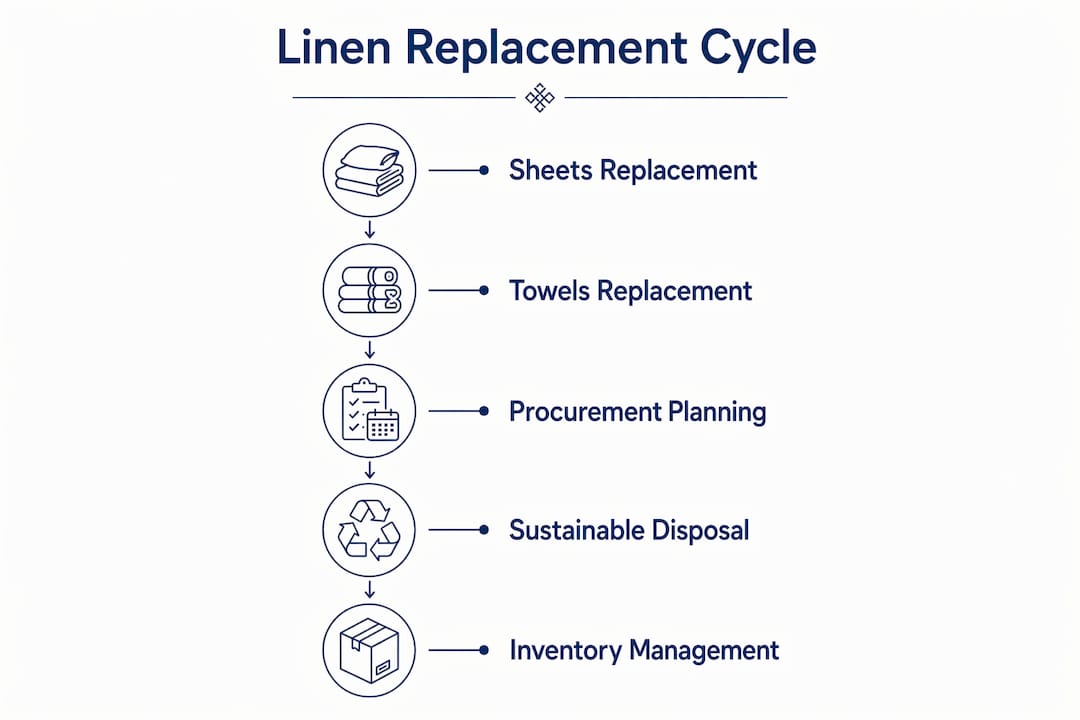
Albanian hotels that treat linen replacement as a planned procurement event rather than a reactive emergency consistently control costs better and protect guest satisfaction by following smjernice za brzu dostavu namještaja u hotelima i restoranima. The core principle is straightforward: schedule replacements by linen type, occupancy rate, and PAR inventory level, and you convert an unpredictable expense into a budgeted line item.
Replacement benchmarks vary by item. Sheets typically cycle out within about 18 months at standard occupancy, while towels may need replacing within under a year due to heavier daily use. Medium-sized hotels, such as those with 60 rooms, generally replace about 80 sheet sets annually, plus an additional 10-15% to account for attrition and early retirements. Pillows and duvet inserts generally last over a year before fill integrity degrades. These are inspection timelines, not hard expiration dates.
A planned replacement schedule prevents the worst-case scenario: housekeeping flags unusable sheets mid-season, no stock is on hand, and procurement pays spot prices while waiting weeks for a shipment. For a medium-sized property replacing sheets on a planned cycle, replacement sets must be calculated based on room count and replacement frequency, with an additional attrition buffer to accommodate loss and early retirements.
Warning signs that override any schedule include:
- Sheets: thinning or see-through fabric, piling at hems, color loss, fraying edges
- Towels: loss of absorbency, rough texture, permanent odor, fraying terry loops
- Pillows: lumpy or uneven fill, flat after fluffing, yellowing that does not launder out
Pro Tip: Build a simple inspection checklist into your housekeeping software so warning signs are flagged at the room level, not discovered during a guest complaint.
How do linen quality tiers and wholesale options compare in Albania?
Albania’s linen supply and management services market is forecast to grow through 2031, driven by tourism expansion and rising demand for outsourced textile solutions. That growth means more options for hotel managers, but also more variability in quality. Knowing what to specify before you buy protects your investment.
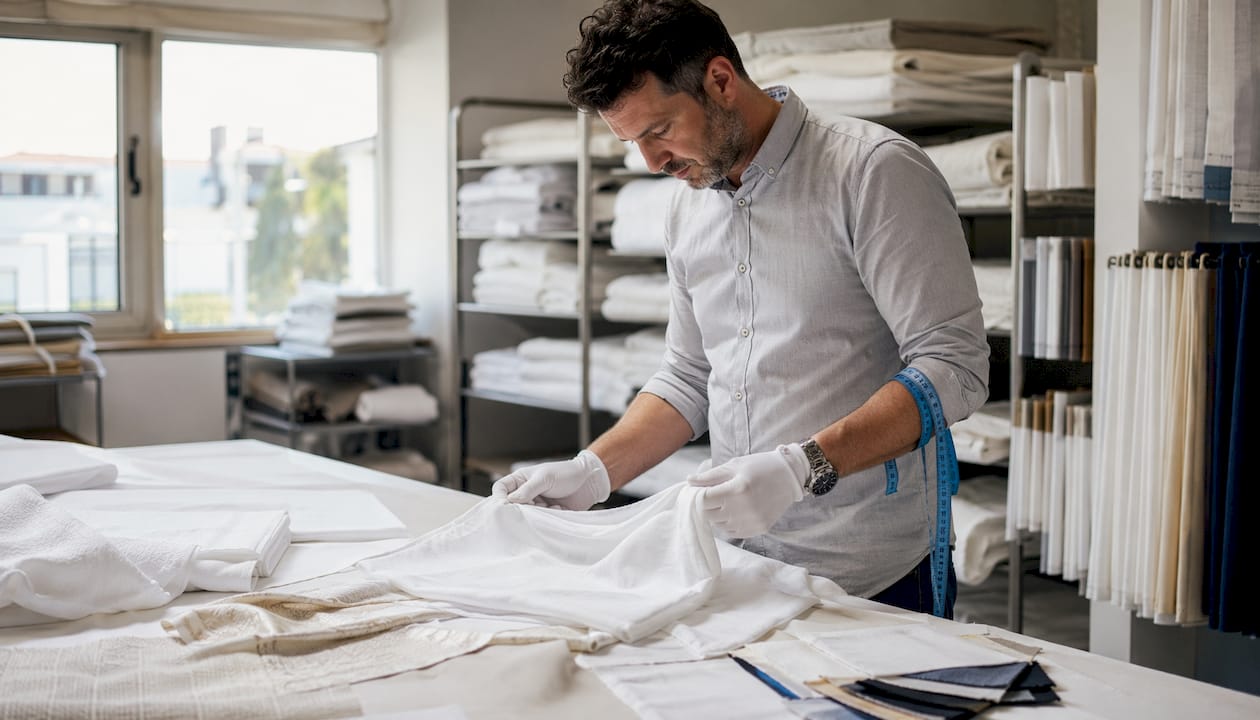
Fabric quality in hospitality linens is determined by yarn count, thread count, weave type, and durability under commercial washing. Premium hotel linens must withstand 100–200 commercial wash cycles without excessive shrinkage, piling, or fading. Mid-tier properties typically specify the 100-cycle minimum; four- and five-star properties target 200 cycles. Thread count alone is a poor proxy for quality: a 40s cotton at 210 TC often outperforms a coarser yarn woven to 400 TC in both comfort and wash durability.
| Provider | Linen type and quality | Service offerings | Sustainability certifications | Best for |
|---|---|---|---|---|
| Gjergji H Tekstil | Bed linens, towels, duvets, pillows, curtains; hotel-grade durability across tiers | Wholesale import, custom production, advisory, distribution across Albania | Not publicly listed | Albanian hotels seeking cost-effective wholesale supply with full supply chain control |
| TexCycle | End-of-life hotel textiles; sorting and processing of worn linens | Collection, sorting, and processing of retired hotel textiles | ISO-certified hygiene and environmental protocols | Hotels requiring compliant, sustainable disposal of worn linen inventory |
Gjergji H Tekstil has operated since 1994, importing from Italy, China, India, and Pakistan to supply properties across Albania and the wider region. Its client portfolio includes Meliá, Marriott, and Sheraton, which reflects the quality standard its products must consistently meet. For Albanian hotel managers, the practical advantage is consolidated sourcing: bed linens, towels, duvets, pillows, and curtains from a single supplier with direct import relationships and no middleman markup.
When selecting quality tier, match yarn count and thread count to your hotel’s star rating and laundry conditions. Budget properties can operate well on mid-tier cotton blends; four-star and above should specify long-staple cotton with verified wash-cycle test reports from the supplier.
Key purchasing factors to evaluate:
- GSM (grams per square meter) for towels: higher GSM means greater absorbency and weight
- Weave type: percale for a crisp, cool feel; sateen for softness and sheen
- Eco-certifications: OEKO-TEX or equivalent for properties targeting sustainability-conscious guests
- Supplier lead times: factor 6–8 weeks for imported stock when planning seasonal procurement
What sustainable linen disposal options are available for Albanian hotels?
Worn-out linens cannot simply be discarded. Recycling services for hospitality textiles reduce landfill waste and satisfy hygiene and safety standards that Albanian hotels are increasingly expected to meet, particularly as the country’s tourism sector grows and environmental scrutiny increases.
TexCycle specializes in hotel textile collection, sorting, and processing. Their ISO certifications cover both hygiene compliance and environmental management, which means hotels using their service can document responsible disposal for regulatory or brand-reporting purposes. The process handles large volumes of retired linens, including items that cannot be donated due to condition, and routes materials toward recycling rather than landfill.
Benefits of a structured disposal program include:
- Documented compliance with hygiene and environmental regulations
- Reduced landfill costs and potential penalties as waste regulations tighten
- Brand differentiation with eco-conscious travelers and corporate clients
- A clear audit trail for sustainability reporting
For hotels sourcing eco-friendly materials upfront, fabrics like organic cotton, Tencel, and bamboo blends extend the sustainability case from procurement through disposal. Pairing responsible sourcing with a certified disposal partner like TexCycle closes the full textile lifecycle loop.
How do centralized procurement and inventory management improve linen operations?
Centralized procurement consolidates purchasing volume across a hotel group into a single supplier contract with standardized specifications. The alternative, individual property managers placing ad-hoc orders, produces inconsistent linen quality, unpredictable laundry lifespans, and impossible budget forecasting. When one property buys single-loop pile towels and another buys double-loop, their replacement cycles diverge by months, and neither property’s data is useful for planning the other’s spend.

Standardizing specifications by GSM, yarn count, and weave type across properties solves this. It also unlocks better unit pricing through volume, since suppliers negotiate harder on consistent, large orders than on fragmented spot purchases. For Albanian hotel chains or groups managing multiple properties, this is the single highest-leverage procurement change available.
PAR level is the other major variable. At 3 PAR, sheets cycle through laundry approximately three times per week at 70% occupancy. Moving to 4 PAR reduces that to 2.5 times weekly, cutting wash cycles by 25% and adding up to four months to linen lifespan. The upfront cost of the additional inventory is typically recovered within one avoided replacement cycle.
Digital tools complete the picture. Laundry management software gives managers real-time stock visibility and demand forecasting, turning linen inventory from a reactive liability into a predictable operational cost. Some larger operations use autonomous carts to move clean linens from central receiving to storage points, reducing labor dependency during peak season.
Pro Tip: Set your PAR level before finalizing your annual procurement budget. Getting that number right is the fastest way to reduce replacement frequency and control total linen spend across your property.
Operational priorities for Albanian hotel managers:
- Standardize linen specs (GSM, yarn count, weave) across all rooms and properties
- Set PAR levels based on occupancy patterns, not minimum stock instinct
- Use a textile maintenance workflow to track usage and flag early replacement needs
- Plan procurement quarterly, accounting for 6–8 week import lead times
- Build a procurement strategy that treats replacement as planned spend, not emergency spend
Key Takeaways
Effective hotel linen lifecycle management in Albania requires planned replacement schedules, quality-matched procurement, and certified disposal to control costs and protect guest experience.
| Point | Details |
|---|---|
| Schedule replacements proactively | Plan by linen type and occupancy; sheet replacement cycles typically range from one year to a year and a half, plus an attrition buffer. |
| Match quality tier to hotel class | Mid-tier properties need linens rated for 100 commercial wash cycles; four-star and above should specify 200-cycle durability. |
| Raise PAR levels to cut costs | Moving from 3 PAR to 4 PAR reduces wash frequency by 25% and extends linen lifespan by up to four months. |
| Use certified disposal services | TexCycle’s ISO-certified collection and processing supports hygiene compliance and sustainability reporting for Albanian hotels. |
| Gjergjihtextil for wholesale supply | Gjergji H Tekstil offers Albanian hotels full supply chain control, from import to distribution, with hotel-grade linen lines across quality tiers. |
The linen lifecycle is where hospitality operations either hold together or quietly fall apart
Most hotel managers focus on the purchase decision and then largely ignore linens until something goes wrong. That is the wrong frame. The replacement cycle is not an afterthought to procurement; it is the mechanism that determines whether your procurement investment actually delivers its expected lifespan.
What gets underestimated consistently is the compounding cost of delayed replacement. A set of sheets kept in rotation two months past its useful life does not just risk a guest complaint. It increases laundry chemical consumption as staff try to restore appearance, it occupies PAR inventory that should have been retired, and it quietly degrades the room experience in ways guests notice but rarely articulate in reviews. They just do not return.
The economic case for sustainable disposal is similarly underappreciated. Hotels that document their textile waste management through certified services like TexCycle are not just being environmentally responsible. They are building an audit trail that increasingly matters to corporate travel buyers and international tour operators who evaluate supplier practices before signing contracts. That is a revenue argument, not just an ethics one.
Albania’s hospitality sector is growing fast, and the hotels that will hold their position are the ones treating linen management as a supply chain discipline, not a housekeeping afterthought.
Gjergjihtextil gives Albanian hotels a direct line to hotel-grade linen supply
Albanian hotels that want consistent linen quality without the complexity of managing multiple suppliers have a clear option. Gjergji H Tekstil controls the full supply chain from import through distribution, covering bed linens, towels, duvets, pillows, and curtains across quality tiers suited to every hotel class.
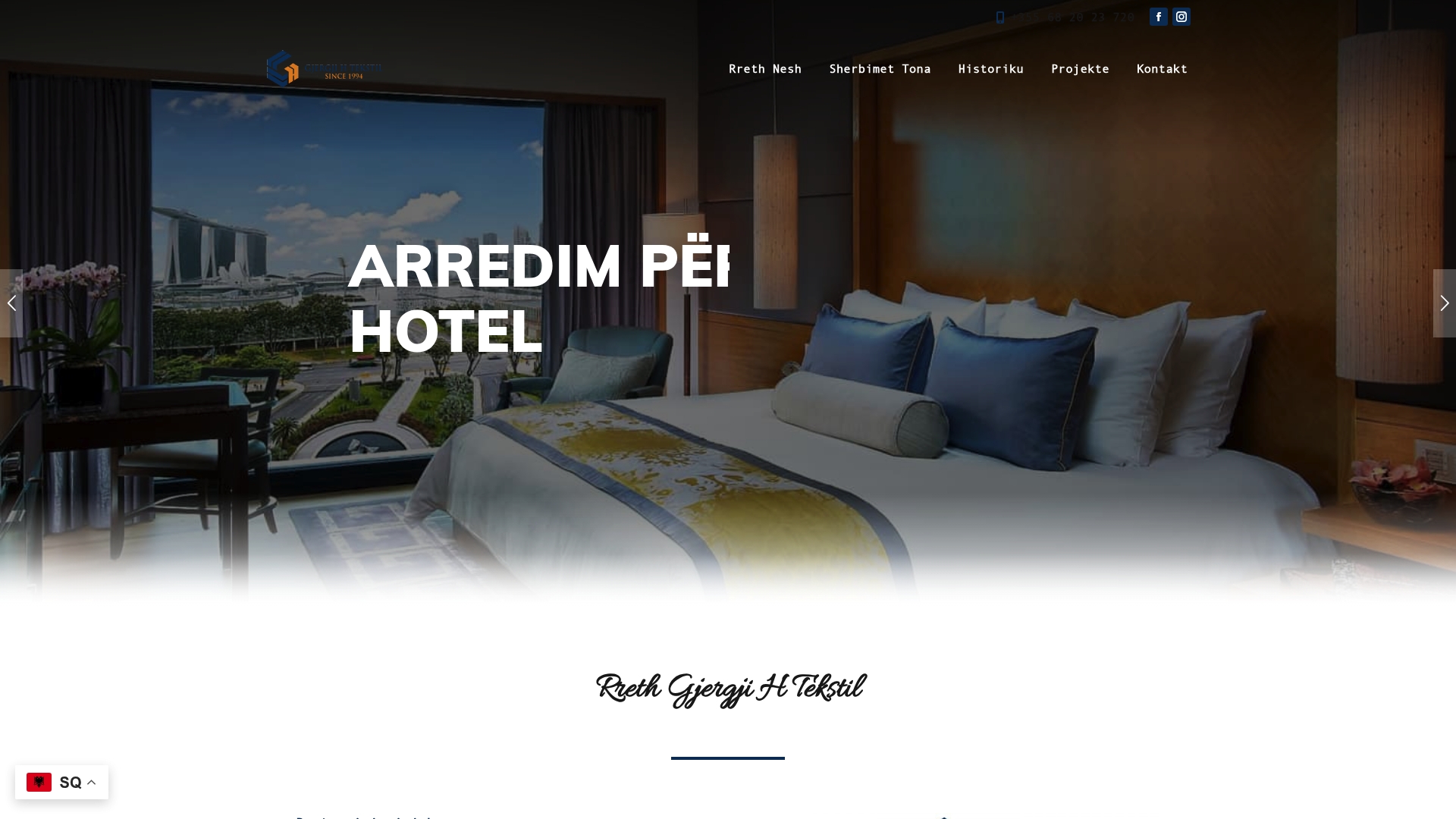
Founded in 1994 and trusted by Meliá, Marriott, and Sheraton, Gjergjihtextil brings over 30 years of hospitality supply experience to Albanian hotel managers who need reliable stock, competitive pricing, and expert guidance on textile selection for their specific property tier. Custom production and advisory services mean you are not choosing from a generic catalog; you are specifying exactly what your operation needs. Explore the full wholesale hotel linen range and request a quote tailored to your property’s occupancy and quality requirements.