

What antimicrobial fabric is and why hotels rely on it
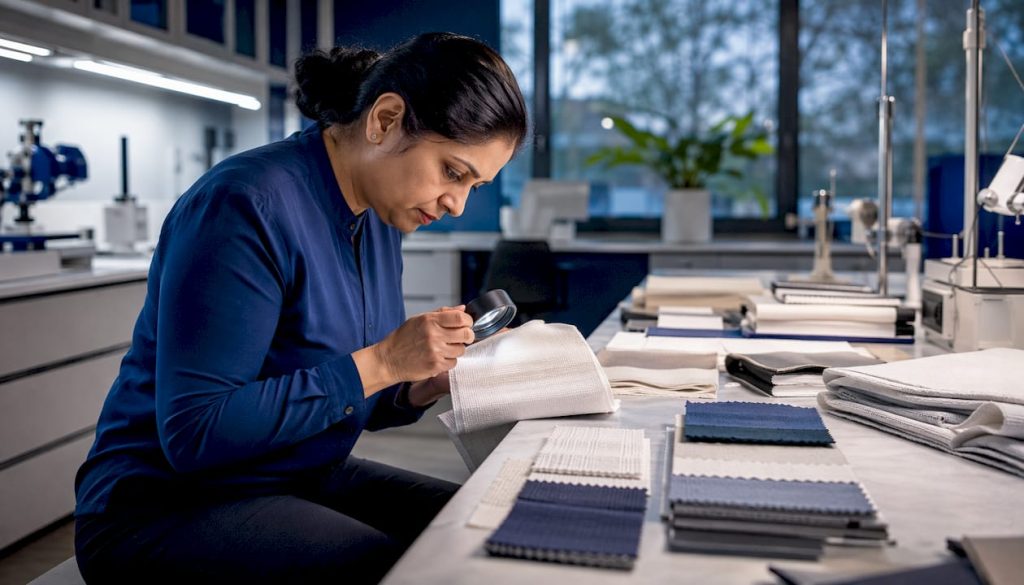
Antimicrobial fabric is textile material treated or engineered to inhibit the growth of bacteria, fungi, mold, and other microorganisms on its surface. In a hotel environment, where bedding, towels, and upholstery cycle through dozens of guests each month, that inhibition is not a luxury. It is a direct response to the microbial load that accumulates between laundry cycles.
Hotels use antimicrobial textiles for three core reasons:
- Hygiene continuity between wash cycles, reducing pathogen transfer from one guest to the next
- Odor control on synthetic fabrics prone to bacterial buildup, particularly in humid climates
- Compliance with wellness certification programs that increasingly require verified antimicrobial performance
Vendors like Microban and Polygiene have become industry reference points, supplying treated fibers and finished textiles that hotels specify by name in procurement contracts. Standard antimicrobial testing protocols typically target bacteria such as Staphylococcus aureus and E. coli, though fungi and viruses are often excluded from those benchmarks. Hospitality wellness programs from major chains have built antimicrobial fabric requirements directly into their property certification standards, pushing adoption well beyond early adopters.
How antimicrobial fabrics are made and what goes into them
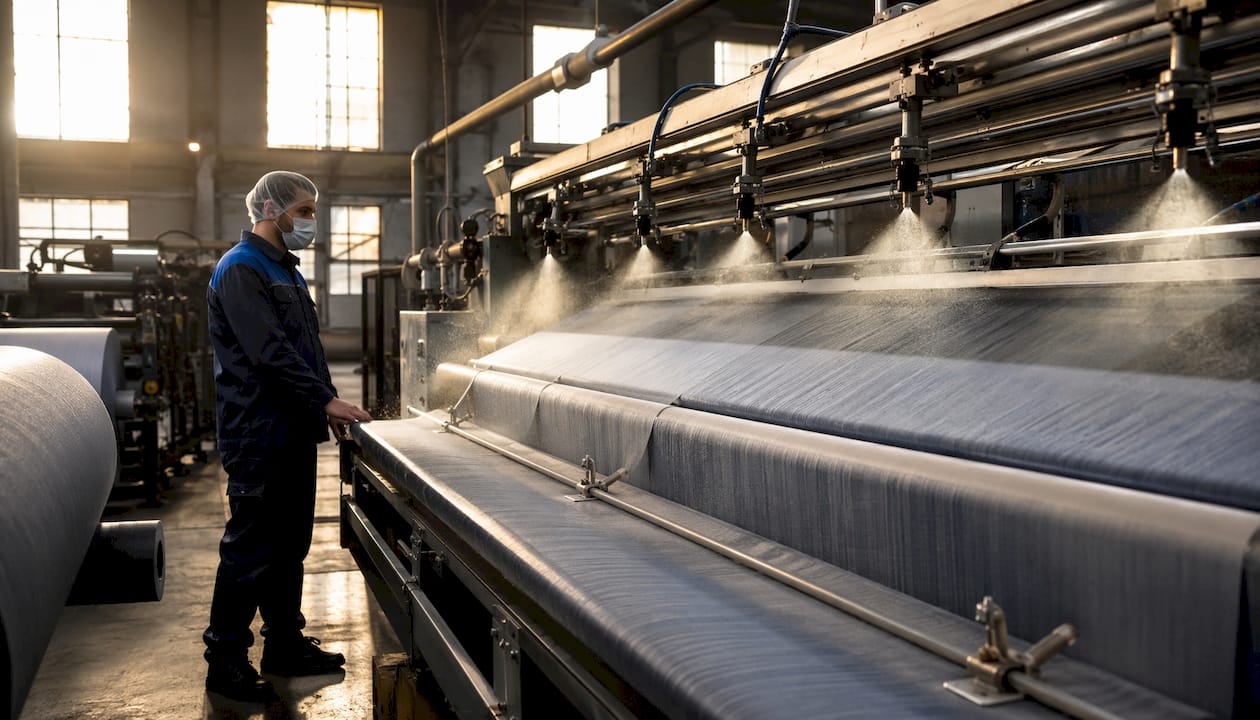
The performance of any antimicrobial textile depends on two variables: the active agent used and the method by which it is bonded to the fiber. Getting both right determines whether the treatment survives commercial laundering.
Active agents fall into three main categories:
- Silver ions disrupt bacterial cell membranes and interfere with enzyme function; silver is the most widely used biocidal agent in hospitality textiles
- Copper offers broad-spectrum activity against bacteria, fungi, and some viruses, and has been validated in healthcare textile studies
- Zinc pyrithione targets fungi and odor-causing bacteria, making it common in towels and bathrobes
Application methods vary significantly in durability:
- Surface coatings apply the antimicrobial agent as a finish after weaving; effective initially but prone to washing off
- Microencapsulation embeds agents in protective capsules that release gradually with friction or heat
- Fiber-integrated (molecular bonding) permanently bonds the agent during fiber production, yielding the most durable result
Fiber-integrated technologies show superior resistance to washing and mechanical wear compared to surface coatings, which often lose efficacy quickly. Fuze® technology, for example, integrates antimicrobial agents at the molecular level and maintains effectiveness beyond 50 commercial wash cycles.
Pro Tip: When evaluating suppliers, ask specifically whether the antimicrobial treatment is fiber-integrated or a surface coating. That single question tells you more about long-term performance than any marketing claim.
Key benefits of using antimicrobial fabrics in hotels
1. Reduced microbial load between wash cycles
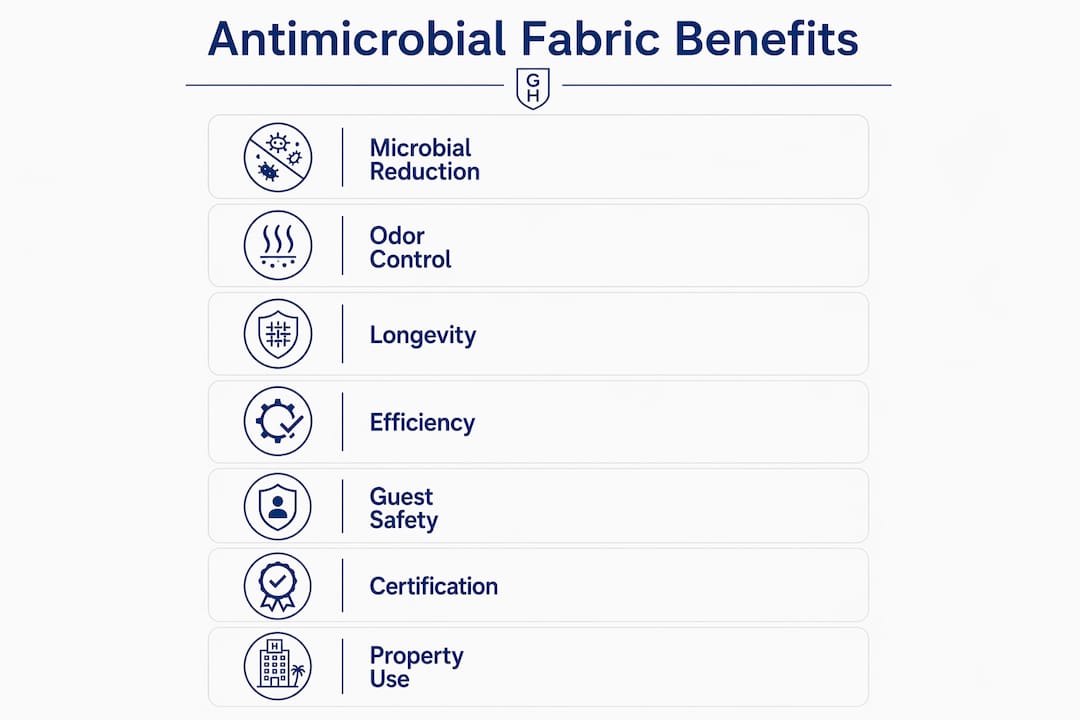
Antimicrobial textiles actively suppress bacterial and fungal growth on the fabric surface between laundry runs. In a high-turnover hotel, that means a towel or pillowcase is not just clean after washing. It stays cleaner longer.
2. Odor control on synthetic fabrics
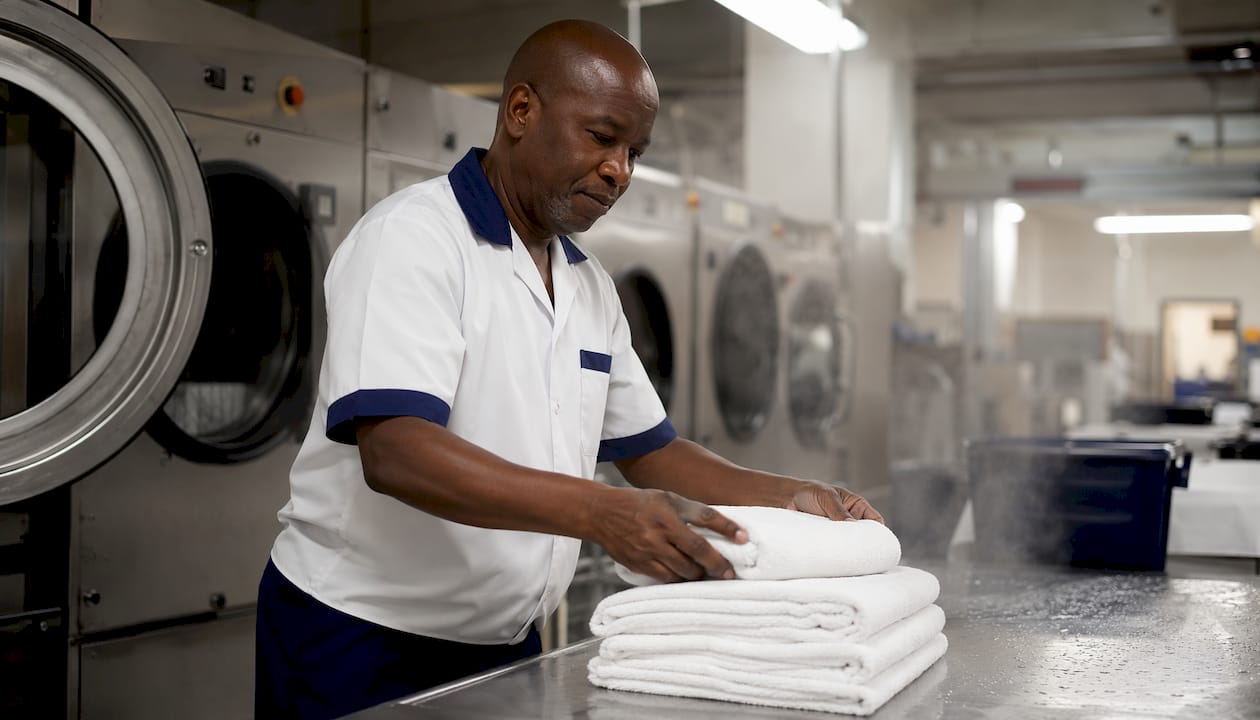
Synthetic fibers are particularly susceptible to “permastink,” the permanent odor buildup caused by bacteria metabolizing sweat residue. Antimicrobial treatments inhibit the bacteria responsible for that breakdown, extending freshness between laundry cycles and reducing guest complaints.
3. Extended textile lifespan
Bacteria and fungi degrade fiber structure over time. Fewer microbial colonies on the fabric means less biological degradation, and fewer wash cycles needed means less mechanical wear. Both factors extend the usable life of the textile.
4. Operational efficiency gains
When towels and linens stay fresher longer, housekeeping teams can prioritize high-traffic items rather than laundering everything on a fixed schedule. That flexibility reduces water, energy, and labor costs across a property.
5. Guest safety and brand protection
Guests cannot see microbial contamination, but they can feel its effects. Skin irritation, odor, and visible mold growth on grout or fabric surfaces all generate negative reviews. Antimicrobial textiles reduce the probability of those incidents.
6. Alignment with wellness certification standards
Major hotel chains have built antimicrobial fabric requirements into their wellness certification programs. Properties that meet those standards gain a marketing credential that resonates with health-conscious travelers, particularly in the post-pandemic market.
7. Broader application across the property
Antimicrobial treatments are not limited to bedding. Hotels apply them to upholstery, curtains, bath linens, and staff uniforms, creating a consistent hygiene layer across every textile surface a guest touches.
How to care for antimicrobial fabrics without destroying their efficacy
Antimicrobial treatments are durable, but they are not indestructible. Commercial laundering and disinfectant exposure are the two primary causes of premature efficacy loss in hotel textiles.
Recommended care practices:
- Use pH-neutral or mild detergents rather than harsh alkaline formulas, which accelerate coating degradation
- Avoid chlorine bleach on treated fabrics; chlorine attacks both the fiber and the antimicrobial agent simultaneously
- Limit alcohol-based disinfectant contact on upholstery and curtains; selecting textiles resistant to disinfectants is preferable to modifying your cleaning protocol after purchase
- Follow supplier wash temperature guidelines precisely; exceeding recommended temperatures degrades surface coatings faster than any other single factor
- Store clean textiles in sealed or covered conditions to prevent recontamination before use
Pro Tip: Build supplier care instructions into your housekeeping SOP documentation from day one. A treatment that survives 50 wash cycles under correct conditions may fail after 10 if the wrong detergent is used consistently.
Safety considerations and what you should actually know
Antimicrobial agents in direct-contact textiles raise legitimate questions, and hospitality professionals deserve straight answers rather than reassurances.
Are these agents safe for skin contact? Silver, copper, and zinc pyrithione are all used in direct-contact applications including medical textiles and wound dressings. Regulatory bodies in the United States, including the EPA, classify antimicrobial substances in textiles under specific use categories with defined safety thresholds. Products carrying certifications such as OEKO-TEX Standard 100 have been tested for harmful substance limits, including residual antimicrobial agents.
Antimicrobial vs. antibacterial: what is the difference? Antibacterial targets only bacteria. Antimicrobial covers bacteria, fungi, mold, and sometimes viruses. For hospitality, the broader claim is more relevant, particularly in humid environments where mold growth on shower curtains and bath linens is a real operational problem.
Environmental concerns are real and worth acknowledging. Silver and copper nanoparticles can leach into wastewater during laundering, raising concerns about aquatic toxicity and contribution to antimicrobial resistance. Responsible procurement means asking suppliers about their environmental compliance documentation, not just their efficacy data.
Certifications to look for:
- OEKO-TEX Standard 100 (harmful substance testing)
- ISO 20743 (antibacterial activity measurement)
- Bluesign (environmental and safety standards in production)
What industry experts say about real-world performance
The gap between antimicrobial claims and actual performance after repeated laundering is the most underreported issue in hospitality textile procurement.
Standard tests like ISO 20743 and JIS L 1902 measure initial antimicrobial effect on new fabric. They do not simulate commercial laundering, UV exposure, or mechanical abrasion. A textile that passes those tests on day one may perform very differently after 20 wash cycles in a commercial laundry.
Over 68% of North American and EU interior designers now require third-party validated antimicrobial fabric performance for hospitality projects, reflecting rapidly growing industry standards. That shift in specification standards is pushing suppliers toward more rigorous durability testing, but the industry has not yet standardized post-laundering benchmarks. Buyers who ask for wash-durability data specifically, rather than accepting initial test results, are ahead of most procurement teams.
Industry experts advise viewing antimicrobial fabrics as tools for housekeeping efficiency and textile longevity, not just hygiene marketing. That framing changes the procurement conversation from “does it kill bacteria?” to “how long does it keep working under our actual operating conditions?”
How to integrate antimicrobial fabrics into hotel operations without common pitfalls
Switching part or all of your textile inventory to antimicrobial options requires more planning than a standard linen replacement cycle. The challenges are practical, not theoretical.
Start with high-contact, high-turnover items. Bath towels, pillowcases, and upholstered headboards are the highest-risk surfaces for microbial transfer. Prioritizing these categories gives you measurable results before committing to a full property rollout.
Audit your current laundry protocol before purchasing. If your housekeeping team uses chlorine bleach or high-temperature cycles incompatible with treated fabrics, the antimicrobial investment will underperform regardless of the product quality. Aligning your textile maintenance workflow with the treatment specifications is a prerequisite, not an afterthought.
Request durability data, not just efficacy data. Ask suppliers for test results after a minimum of 20 commercial wash cycles. Any supplier confident in their product will have this data. Those who cannot provide it are selling initial performance, not sustained performance.
Budget for a slightly higher per-unit cost. Fiber-integrated antimicrobial textiles cost more upfront than standard options. The offset comes from extended replacement cycles and reduced laundry frequency, both of which are quantifiable once you track them. For guidance on maximizing textile durability and managing those cost tradeoffs, the math typically favors the premium option at scale.
Train housekeeping staff on care protocols. The most common failure point is not the fabric. It is the detergent or temperature used by a team that was never told the textile required different handling. A one-page care instruction sheet attached to each textile delivery prevents most of those errors. You can also explore guest comfort methods that pair well with antimicrobial textile programs for a more complete hygiene strategy.
Key Takeaways
Antimicrobial fabrics deliver measurable operational and hygiene benefits in hotels when the treatment technology is durable and the care protocol is correctly followed.
| Point | Details |
|---|---|
| Fiber-integrated beats surface coatings | Molecular bonding technologies like Fuze® maintain efficacy beyond 50 commercial wash cycles; surface coatings can fail after as few as 5. |
| Testing standards have real limits | ISO 20743 and JIS L 1902 measure initial performance only, not post-laundering durability. |
| Industry demand is rising | Over 68% of North American and EU interior designers now require third-party validated antimicrobial fabric performance for hospitality projects, reflecting rapidly growing industry standards. |
| Care protocol determines longevity | Chlorine bleach and incompatible detergents degrade treatments faster than laundering frequency alone. |
| Gjergjihtextil for hotel procurement | Gjergjihtextil supplies hotel-grade antimicrobial textiles with full supply chain control, serving properties including Marriott and Sheraton. |
Gjergjihtextil supplies hotel-grade antimicrobial textiles at scale
For hospitality operators who need antimicrobial textiles that hold up under real commercial conditions, not just lab tests, Gjergjihtextil offers a direct procurement path with no intermediary markup. With over 30 years supplying hotels across the region, including properties under the Marriott and Sheraton flags, Gjergjihtextil sources bed linens, towels, curtains, and upholstery fabrics built to withstand industrial laundering cycles while maintaining hygiene performance.
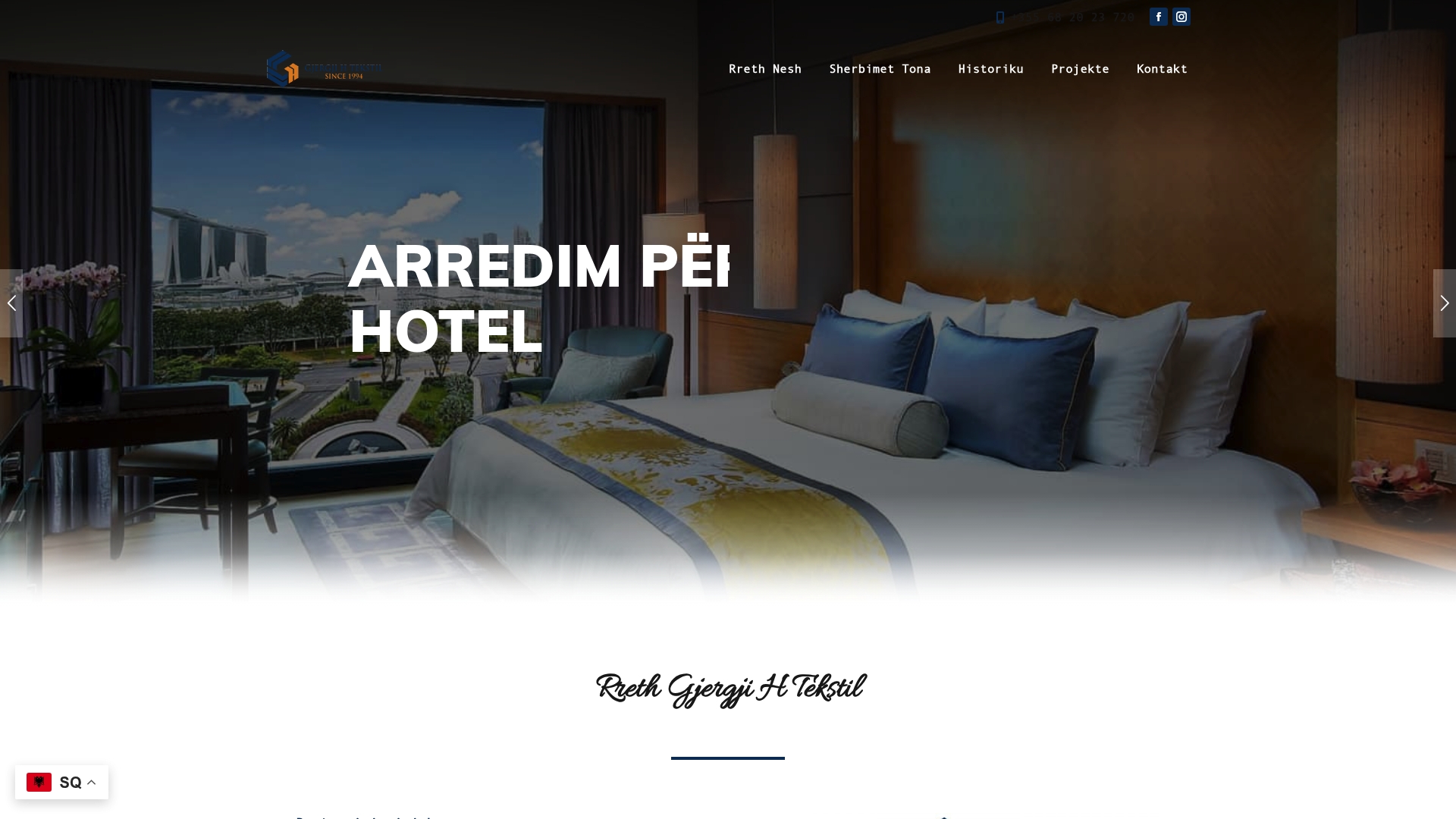
The advantage is supply chain control from import through distribution, which means consistent quality standards and pricing that reflects volume purchasing power rather than retail margins. Whether you are outfitting a 30-room property or a full resort complex, the hotel textile catalog covers the full range of antimicrobial and standard hospitality options. For guidance on matching fabric specifications to your property’s operational requirements, the textile selection resource is a practical starting point. Contact Gjergjihtextil directly to request product specifications and wash-durability data for any antimicrobial line.