


TL;DR:
- Hospitality textiles in 2026 emphasize tactile textures, natural aesthetics, and sustainable fibers to enhance guest experience.
- Proper trend evaluation focuses on guest comfort, durability, sustainability, ROI, and regional brand relevance.
- Phased adoption ensures coherence, operational efficiency, and prevents costly overextension in textile upgrades.
Guest expectations in hospitality have never been higher. The fabrics covering your beds, draping your tables, and lining your lobbies are no longer just functional purchases. They are strategic assets that shape how guests feel, how long they stay, and whether they return. Tactile textures and natural-inspired designs elevate guest comfort and set a property apart from competitors. In 2026, procurement managers and hotel owners across Albania and the Balkans face a clear challenge: which trends actually deliver results, and how do you apply them without overextending your budget or abandoning what already works?
Table of Contents
- How to evaluate textile trends for hospitality in 2026
- Textile trend #1: Tactile textures and natural aesthetics
- Textile trend #2: Smart fibers and sustainable innovations
- Textile trend #3: Expressive colors, patterns, and surface effects
- Head-to-head: Which trends best fit your hospitality concept?
- Why following every trend is a trap: A hospitality insider’s take
- Ready to enhance your hospitality textile strategy?
- Frequently asked questions
Key Takeaways
| Point | Details |
|---|---|
| Tactile and natural designs | Plush and organic-inspired textiles provide the comfort today’s guests demand. |
| Sustainability gains momentum | Eco-friendly fibers and energy-saving innovations yield loyalty and premium rates. |
| Color and pattern matter | Expressive colorways and bold patterns forge lasting guest impressions. |
| Tailor trends to your venue | Match textile trends with your concept, brand, and operational realities for best results. |
How to evaluate textile trends for hospitality in 2026
Before we dive into specific trends, it is crucial to know how to identify the right ones for your property. Not every direction shown at international trade fairs translates into operational value for a boutique hotel in Tirana or a seaside resort in Vlora. Evaluating trends through a structured framework saves you from costly mistakes.
Here are the five criteria that matter most:
- Guest comfort: Does the textile improve the sensory experience? Softness, breathability, and weight all affect how a guest perceives value.
- Ease of maintenance: Can the fabric handle industrial wash cycles without shrinking, fading, or losing structure? Durability across hundreds of wash cycles is non-negotiable at scale.
- Style and durability balance: A beautiful fabric that wears out in six months is an operational liability, not an investment.
- Sustainability credentials: Sustainable FF&E impacts brand loyalty and average daily rate, making eco-conscious procurement a direct revenue lever.
- Return on investment: Calculate cost per wash cycle and expected lifespan, not just purchase price.
For Balkan hospitality operators specifically, the balance between trendiness and timelessness is especially important. Regional guest profiles vary widely, and a choice that feels avant-garde in one market may feel out of place in another. Use expert textile selection tips to align trend adoption with your brand’s identity and your guests’ actual expectations.
Pro Tip: Before committing to a full property rollover, pilot a new textile in one signature space, such as a suite or private dining room. Gather staff feedback and observe guest reactions over 60 days before scaling.
Textile trend #1: Tactile textures and natural aesthetics
With the evaluation framework in mind, let us look at the first major trend reshaping hospitality interiors. The shift toward tactile, naturally inspired textiles is not a passing aesthetic preference. It reflects a deeper guest desire for comfort, warmth, and authenticity in their surroundings.
Key features of this trend include:
- Plush and brushed surfaces: Materials like faux mohair, velvet-touch fabrics, and brushed cotton create immediate sensory impact when a guest enters a room or sits at a table.
- Earthy tones and marbled organics: Color palettes inspired by stone, soil, and water replace sterile whites and uniform grays.
- Natural-inspired patterns: Irregular grain, botanical motifs, and textured weaves signal quality and intentional design.
Heimtextil 2026 highlights four defining aesthetic directions: Deep Blue, Off the Grid, Rare Earth, and Quiet Comfort. These themes unite plush faux mohair, earthy tones, and marbled organics into a coherent design language for hospitality spaces.
The benefits for hotels and restaurants are concrete. Sensory comfort directly influences how long a guest lingers in a space, which affects dining revenue and perceived room value. Visual warmth reduces the institutional feel that many guests associate with budget accommodations. Understanding textile visual impact helps procurement teams make choices that translate into real guest experience improvements.
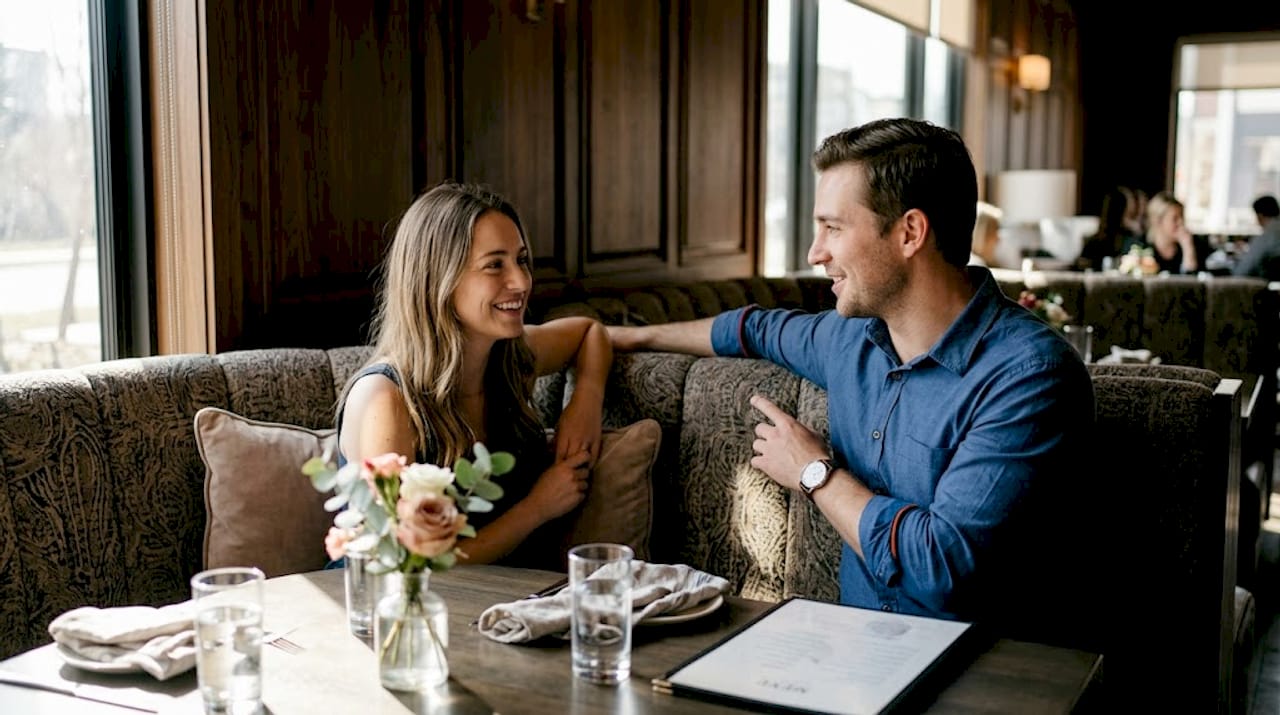
For properties looking to differentiate, investing in custom textiles for hotels allows you to combine plush and natural elements in ways that feel unique rather than generic.
Pro Tip: Use tactile, plush fabrics in lobby seating and suite bedding where the first impression matters most. Reserve more restrained natural tones for dining areas, where cleanliness and visual clarity remain priorities.
Textile trend #2: Smart fibers and sustainable innovations
While aesthetics influence first impressions, technology and sustainability are shaping lasting guest loyalty. Smart fibers are no longer a premium novelty reserved for luxury brands. They are becoming a practical standard for any hospitality property that prioritizes operational efficiency.
The three most relevant fiber innovations for 2026 are:
- Tencel blends: Derived from wood pulp, Tencel offers exceptional softness, moisture-wicking performance, and biodegradability. It holds color well through repeated wash cycles.
- Recycled polyester: Made from post-consumer plastic, this fiber reduces waste and typically performs comparably to virgin polyester in durability tests.
- Organic cotton advances: Improved cultivation and processing methods now make organic cotton more cost-competitive while maintaining the softness that guests associate with quality bed linen.
Heimtextil’s 2026 direction labeled “Same but Different” captures this movement precisely: comfort plus technical mechanics like Tencel blends, energy-saving laundry properties, and sustainability are converging into a single procurement decision.
| Feature | Traditional fibers | Smart and sustainable fibers |
|---|---|---|
| Wash cycle resistance | Moderate | High |
| Environmental impact | Higher | Lower |
| Moisture management | Limited | Advanced |
| Cost per unit | Lower upfront | Competitive over lifecycle |
| Guest perception | Standard | Premium and responsible |
The business case is clear. Less than 5% of FF&E spend is currently directed toward sustainable options, yet properties that make this shift report measurable loyalty uplift and stronger average daily rates. Explore options for wholesale hotel textiles that incorporate these fiber innovations, and consider how certified sustainable textiles can serve as both a marketing asset and an operational upgrade.
Textile trend #3: Expressive colors, patterns, and surface effects
Beyond comfort and efficiency, visual storytelling matters. Here is how color and pattern assert influence over guest perception and brand memory.
| Color or pattern | Guest emotional impact |
|---|---|
| Deep blues | Calm, trust, premium feel |
| Earthy terracotta and ochre | Warmth, authenticity, local character |
| Irregular grid and geometric patterns | Modern sophistication, design-forward |
| Subtle shimmer and brushed finishes | Luxury perception, elevated occasion |
The 2026 palettes include deep blues, earthy tones, irregular grid patterns, and subtle shimmer as the dominant visual directions for hospitality interiors. These are not arbitrary aesthetic choices. Each color register triggers specific emotional responses that affect how guests rate their experience.
Here is where to deploy these expressive designs for maximum effect:
- Lobby focal points: A boldly patterned rug or textured wall panel sets the tone before a guest reaches the front desk.
- Restaurant banquettes and chair upholstery: Earthy tones and structured patterns reinforce dining ambiance and encourage guests to stay longer.
- Event halls and private dining rooms: Shimmer fabrics and rich, layered textures create the visual drama that clients expect for special occasions.
For properties in Albania and the broader Balkans, blending these global trends with regional cultural identity produces the most memorable results. A deep blue that echoes the Adriatic coast, or an earthy terracotta that references local stone architecture, creates a narrative that international guests find authentic and local guests find familiar. Reviewing Balkan textile market leadership insights helps operators calibrate these choices against what competitors are already doing.
Surface effects like shimmer weaves and brushed finishes deserve special attention. They add visual depth without requiring complex pattern design, making them versatile for properties with limited interior design resources.
Head-to-head: Which trends best fit your hospitality concept?
Faced with so many options, it is important to match each trend with your venue’s unique needs. Not every trend belongs in every space, and trying to apply all three simultaneously often produces a visually incoherent result.
| Hospitality concept | Best-fit trend | Secondary option |
|---|---|---|
| Boutique hotel (Tirana city center) | Expressive colors and patterns | Tactile natural aesthetics |
| Seaside resort (Albanian Riviera) | Tactile textures and natural aesthetics | Smart and sustainable fibers |
| City-center restaurant | Expressive colors and surface effects | Tactile plush upholstery |
| Conference and event hotel | Smart fibers for durability | Bold patterns for event spaces |
| Premium villa or agritourism | Natural aesthetics and earthy palettes | Organic and sustainable fibers |
Follow these steps to determine which trends to prioritize for your property:
- Define your current guest profile. What age range, origin, and expectation level describes your typical visitor?
- Audit your existing textile inventory. Where are the gaps in comfort, visual appeal, or performance?
- Identify two or three signature spaces where trend adoption will have the highest guest-facing impact.
- Request samples and conduct a small-scale pilot before committing to volume orders.
- Measure guest feedback and operational performance over a full season before expanding the change.
Trend implementation must be tailored to specific guest experience goals and operational realities. There is no universal answer, only the right answer for your concept and your guests. Use the hospitality textile procurement guide to build a structured selection process that prevents costly impulse decisions.
Why following every trend is a trap: A hospitality insider’s take
You have seen the trends. Now here is what most guides will not tell you about implementation. After more than 30 years of supplying hotels and restaurants across Albania and the region, the pattern is consistent: operators who chase every new textile direction end up with fragmented interiors, bloated procurement costs, and staff who cannot manage an incoherent linen inventory.
The smarter approach is phased adoption. Pick one trend per year. Test it in a signature area. Evaluate the response, the wash performance, and the operational impact before expanding. Trends that survive a full season in your specific environment earn a place in your standard spec. The others stay on the trade fair floor where they belong.
The real danger is sacrificing a coherent brand identity for a look that will feel dated in 18 months. Guests do not need your lobby to reflect every direction from Heimtextil. They need it to feel consistent, comfortable, and intentional. Basics that have been refined over years of operational testing will outperform a trendy fabric that falls apart after 50 wash cycles. Our cost-saving textile advisory exists precisely to help operators make this distinction before they spend.
Ready to enhance your hospitality textile strategy?
For those ready to put trend-savvy strategies into action, local support makes all the difference. Knowing which trends matter is only the first step. Sourcing the right products at the right price point, with reliable delivery and consistent quality, is where most procurement efforts succeed or fail.
Gjergji H Tekstil offers procurement managers and hotel owners across the Balkans direct access to trend-aligned hotel textiles in bulk, backed by over 30 years of supply chain experience. Whether you need guidance on fiber selection, volume pricing, or full custom production, our team works as a partner, not just a vendor. Explore hospitality textile selection tips on our site, or get in touch to discuss your 2026 textile requirements. For events and seasonal setups, our event textile solutions cover everything from table linen to full venue dressing.
Frequently asked questions
What are the biggest textile trends for hotels in 2026?
The largest trends include tactile textures and natural aesthetics, smart and sustainable fibers, and expressive colors and patterns. Heimtextil 2026 highlights plush materials, earth tones, deep blues, and technical fiber innovations as the defining directions for hospitality interiors.
Do sustainable textiles really boost guest loyalty?
Yes. Even though sustainable FF&E represents a small budget portion, it drives measurable increases in guest loyalty and average daily rates for properties that make the shift.
How do I choose the right textile trend for my hotel or restaurant?
Prioritize guest comfort, operational practicality, and your local brand story when selecting which trends to adopt. Match trends to concept and real guest needs rather than applying global directions without contextual adaptation.
Are the 2026 textile trends equally relevant for restaurants as hotels?
Trends apply across the full hospitality spectrum, but restaurants tend to benefit most from surface effects, patterns, and maintenance considerations that align with dining ambiance and the practical demands of high-turnover table linen cycles.