

TL;DR:
- Textiles significantly boost guest satisfaction, with a 6.78% increase in guest joy scores.
- Textile visual impact is about color, texture, pattern, and light interaction shaping perceptions.
- Target investments in high-visibility, guest-facing textiles for maximum emotional and review impact.
Textiles are rarely the first thing hospitality owners list when planning a guest experience upgrade, yet service and sleep quality linked to textiles drive a measurable 6.78% increase in guest joy scores. That number should reframe how you think about fabric choices. A worn tablecloth or a flat, lifeless duvet cover does not just look bad. It signals to guests that standards are slipping. This guide breaks down what textile visual impact actually means, how its core elements work, and how you can evaluate and apply them to strengthen your hotel or restaurant’s guest experience in practical, cost-effective ways.
Table of Contents
- Defining textile visual impact in hospitality
- The mechanics: How textile elements shape perception
- How to evaluate textile visual impact: Tools and methods
- Choosing authentic and sustainable textiles: Comparison and business impact
- Why mid-tier textile investments deliver outsized guest impact
- Explore textile solutions for Albanian hospitality businesses
- Frequently asked questions
Key Takeaways
| Point | Details |
|---|---|
| Textile impact drives guest delight | Thoughtfully chosen textiles directly influence guest comfort, joy, and positive reviews in hospitality spaces. |
| Master key elements for effect | Color, texture, pattern, and material are core components managers should combine intentionally for desired atmosphere. |
| Evaluate textiles with objective tools | Sensory panels, guest feedback, and fabric tests help managers pick the best textiles for ROI. |
| Target guest-visible investments | Investing in visually impactful textiles in high-footfall zones maximizes business returns and brand reputation. |
Defining textile visual impact in hospitality
The phrase “textile visual impact” covers more ground than most procurement managers expect. It is not simply about color coordination or matching curtains to bedspreads. According to industry analysis, textile visual impact refers to the aesthetic, perceptual, and emotional influence of fabrics on hospitality spaces. That definition has real business weight behind it.
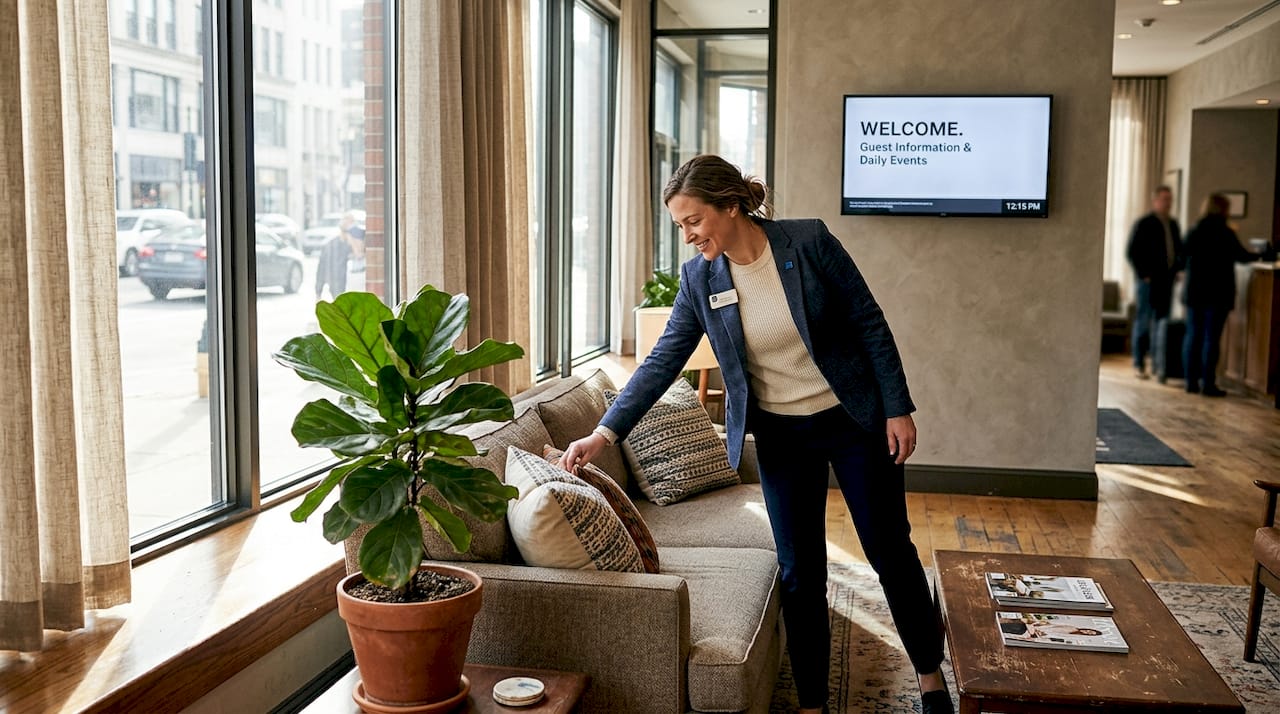
When a guest walks into a hotel lobby or sits down at a restaurant table, they process the environment in seconds. Textiles are a primary sensory signal in that instant assessment. The weight of a linen napkin, the sheen of a duvet cover, the softness of a bath towel — each one sends a message about the quality of the experience ahead.
The core elements driving visual impact are:
- Color: Warm tones create intimacy and comfort; cool tones signal cleanliness and professionalism.
- Texture: Smooth, matte surfaces feel understated and modern; raised weaves and tactile surfaces feel premium and inviting.
- Pattern: Subtle geometric or tonal patterns read as timeless; bold prints communicate identity and personality.
- Light interaction: Sheen and luster catch ambient light and elevate a room’s perceived quality, especially in evening dining settings.
“Textiles are not passive elements in a room. They are active communicators of brand standards, comfort levels, and operational care.”
For hospitality businesses, this matters because guest reviews increasingly reflect emotional responses, not just functional ones. A guest who feels comfortable and visually impressed is far more likely to leave a positive review and return. Thoughtful hotel textile selection is therefore a direct input into your review scores and repeat booking rates. If you are building or refreshing a property, a structured textile procurement guide is a practical starting point for aligning fabric choices with your business goals.
The mechanics: How textile elements shape perception
Understanding that textiles matter is the easy part. Knowing how each element works gives you real decision-making power. The mechanics of textile perception involve color, texture, pattern, and material sheen or drape, each affecting visual scale and mood in distinct ways.
Color is the fastest signal. Warm earthy tones — terracotta, sand, deep ochre — create a grounded, welcoming atmosphere suited to boutique hotels and traditional restaurants. Cooler whites, grays, and blues reinforce cleanliness and modernity, which works well in urban business hotels. Vibrant accent colors in napkins or cushion covers can anchor a brand identity without overwhelming the space.
Texture controls the tactile and visual weight of a room. Heavy, densely woven fabrics absorb sound and create a sense of enclosure and calm. Lighter, airier weaves open a space up and feel more casual. Matte surfaces minimize visual noise; lustrous finishes like sateen or jacquard add a layer of elegance that guests notice immediately, especially under warm lighting.
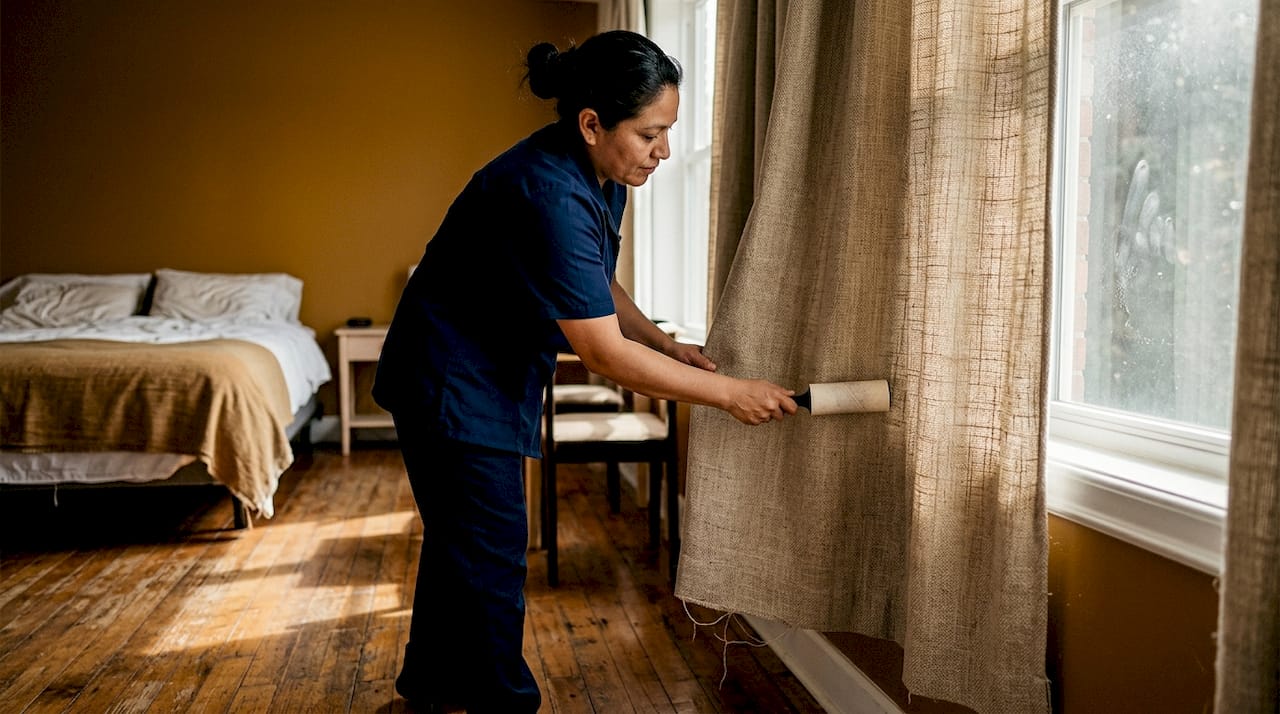
Pattern is a tool for storytelling. Subtle tone-on-tone patterns in bed linens communicate refinement without distraction. Bolder patterns on restaurant tablecloths or curtains can define a venue’s character and make it memorable. The key is scale: large patterns in small rooms feel chaotic, while fine patterns in large spaces can disappear entirely.
Here is a quick comparison of how material choices affect perception:
| Material | Visual effect | Functional benefit |
|---|---|---|
| Cotton sateen | Soft sheen, smooth surface | Comfortable, easy to launder |
| Linen | Natural texture, matte finish | Breathable, durable |
| Polyester jacquard | Structured pattern, slight luster | High wash resistance, low shrink |
| Velvet | Deep color saturation, tactile richness | Strong visual impact, sound absorption |
To combine elements effectively, follow this sequence:
- Anchor the space with a dominant neutral texture (e.g., linen or cotton matte).
- Introduce a secondary material with a contrasting finish (e.g., sateen or jacquard accent).
- Add color through smaller, replaceable items like napkins or cushion covers.
- Use pattern sparingly, scaled to the room size.
Pro Tip: When selecting custom textile solutions for a property, always test fabric samples under the actual lighting conditions of the space. A fabric that looks flat under fluorescent light can look rich and textured under warm LED or candlelight. Also consider pairing your visual choices with durable hotel fabrics that maintain their appearance through repeated industrial washing cycles. For dining environments, reviewing restaurant textile options that balance aesthetics with heavy-use resistance is equally important. Deeper reading on emotion-driven hospitality insights can further sharpen your understanding of how guests respond to these design signals.
How to evaluate textile visual impact: Tools and methods
Most hospitality businesses choose textiles based on price and availability. That approach leaves significant value on the table. A more structured evaluation process connects textile choices directly to measurable business outcomes. Research confirms that evaluation methodologies include sensory analysis, guest perception studies, fabric performance testing, and hybrid strategies combining all three.
Sensory panels involve a small group of staff or trusted guests assessing fabric samples across tactile and visual dimensions: softness, weight, sheen, color accuracy, and drape. This creates a baseline profile for each textile option and removes purely subjective decision-making from the procurement process.
Guest feedback analysis is a practical complement. Review your current guest comments on platforms like Google or Booking.com and tag mentions of comfort, cleanliness, and atmosphere. These are often textile-linked signals. If guests frequently mention “soft towels” or “crisp linens,” you have confirmation that your current choices are working. If you see comments about “worn” or “thin” materials, you have a clear investment signal.
Performance testing covers measurable fabric properties:
- Colorfastness: Does the fabric hold its color after repeated washing cycles?
- Drape coefficient: How does the fabric fall and behave on a table or bed?
- Pilling resistance: Does the surface degrade visually after friction?
- Shrinkage rate: Does the fabric maintain its dimensions after industrial laundering?
Here is how to map textile evaluation to your property zones:
| Zone | Priority metric | Recommended evaluation method |
|---|---|---|
| Lobby | Visual impression, sheen | Sensory panel, lighting test |
| Guest rooms | Tactile comfort, durability | Wash cycle testing, guest feedback |
| Restaurant | Stain resistance, drape | Performance testing, sensory panel |
| Event spaces | Visual scale, color vibrancy | Lighting test, pattern scale review |
For a deeper look at visual impact methodology, published research provides validated frameworks you can adapt for your own property assessments. Connecting evaluation results to your maintenance workflow optimization plan ensures that high-performing textiles stay in top condition longer. For bedroom-specific investments, hotel quilts selection is one area where performance testing delivers especially clear ROI signals.
Choosing authentic and sustainable textiles: Comparison and business impact
The conversation around textile sustainability has grown louder across the hospitality industry, and Albanian properties are not immune to that pressure. But the choice between natural and synthetic fibers is not simply an ethical one. It has direct operational and financial consequences.
Natural fibers like cotton and wool convey authenticity and sustainability, while synthetics like polyester offer superior durability and easier maintenance. Both have a legitimate place in a well-planned hospitality textile strategy.
| Fiber type | Visual quality | Durability | Maintenance | Best application |
|---|---|---|---|---|
| Cotton | Warm, natural | Moderate | Standard wash | Bed linens, towels |
| Wool | Rich, textured | High | Specialist care | Curtains, upholstery |
| Polyester | Consistent, bright | Very high | Easy, low-shrink | Tablecloths, uniforms |
| Linen | Textured, matte | High | Moderate | Restaurant linens, napkins |
The current trend in hospitality design is a clear shift toward soft textures over hard, glossy surfaces. Guests are responding more positively to tactile warmth than to sleek minimalism. This creates a practical opportunity: investing in softer, textured natural fiber options for guest-visible spaces while using high-durability synthetics in back-of-house or high-turnover areas.
Key recommendations for Albanian hospitality businesses:
- Prioritize natural fiber textiles in guest rooms and dining areas where tactile experience matters most.
- Use polyester blends for high-turnover items like restaurant tablecloths and event linens where wash cycle resistance is critical.
- Balance classic symmetry and order in formal settings with expressive color and pattern in casual or boutique venues.
- Focus capital investment on guest-facing textiles first, as these deliver the strongest ROI in review scores and repeat bookings.
Pro Tip: Review your full textile service options before committing to a single fiber strategy. A blended approach, combining natural and synthetic materials by zone, often delivers better cost-per-use outcomes than an all-natural or all-synthetic policy. For window treatments specifically, curtain selection deserves separate attention because curtains have an outsized effect on room atmosphere relative to their cost.
Why mid-tier textile investments deliver outsized guest impact
Here is an observation worth sitting with: many Albanian hospitality businesses spend considerable energy debating sustainability credentials and fiber sourcing, while the guest-visible textiles in their rooms and dining areas are visually underwhelming. That is a misallocation of attention.
Research on the halo effect of textiles shows that visual impact extends beyond aesthetics to psychological effects, and that there are diminishing visual returns at very high sustainability investment levels. In plain terms: guests notice and respond emotionally to mid-tier, visually strong textiles just as powerfully as they do to premium-tier options, provided the fabric looks and feels good in the space.
The practical implication is clear. Target your investment in durable fabric selection for the highest-footfall, guest-facing spaces: lobby seating, dining tables, and guest room beds. These are the zones where textile quality translates directly into review language and booking decisions. Spending more on back-of-house or low-visibility items adds cost without adding guest value. Focus where guests actually look, touch, and feel.
Explore textile solutions for Albanian hospitality businesses
If this guide has prompted you to reassess your current textile inventory, the next step is straightforward. Audit your guest-facing spaces against the evaluation framework outlined above and identify the zones where visual impact is weakest.
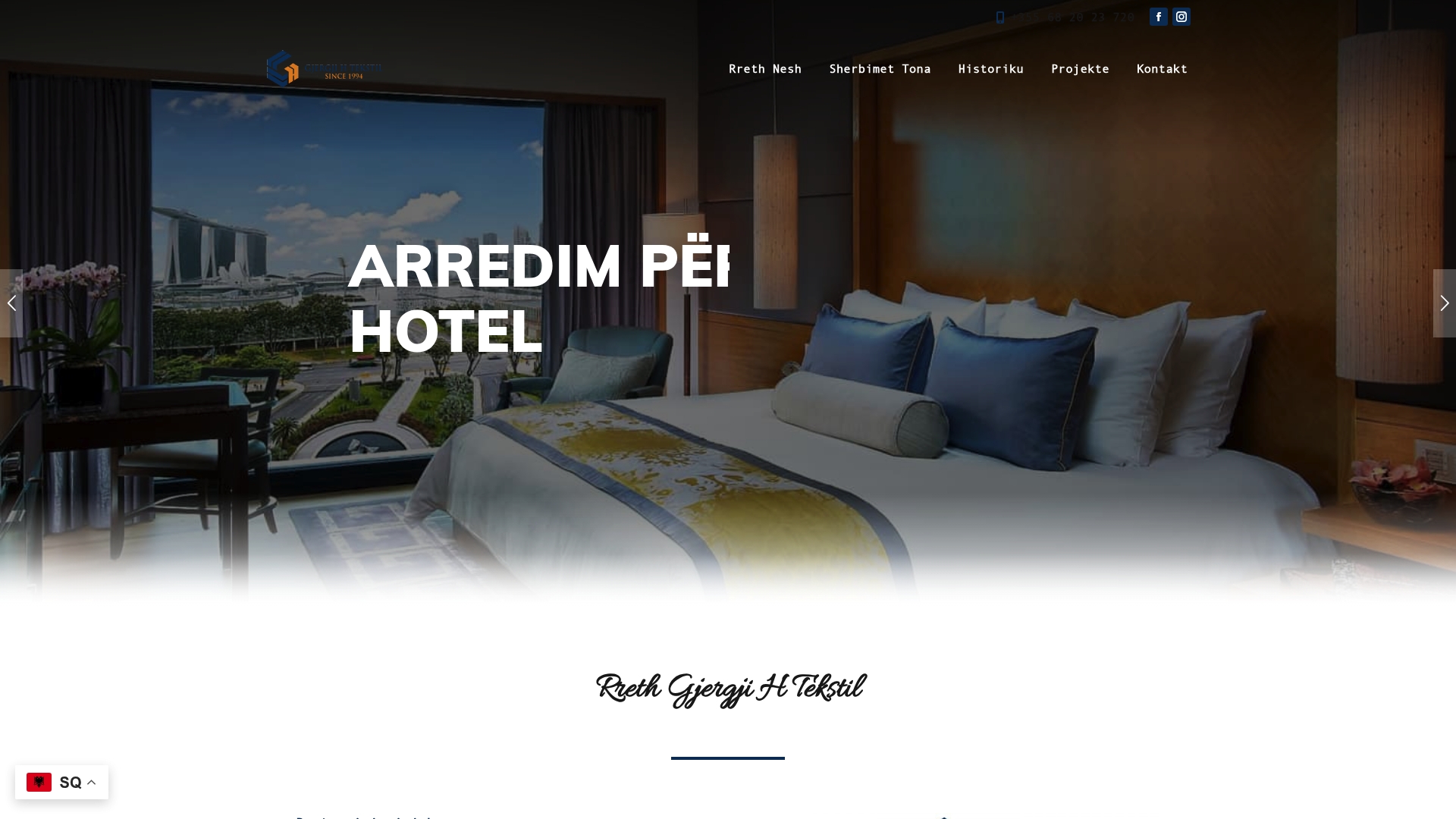
Gjergji H Tekstil has supplied hotel textile solutions to properties across Albania and the wider region for over 30 years, including international brands like Marriott and Meliá. Whether you need a full procurement review or targeted upgrades, the hospitality textile procurement resources on the site provide a structured starting point. For a full view of available categories and custom production options, explore the complete textile service range and request a tailored recommendation for your property type and scale.
Frequently asked questions
How does textile visual impact influence guest reviews?
Textiles directly shape comfort and atmosphere, and properties that invest in quality fabrics see measurable improvements in guest satisfaction scores. Research links service and textile quality to a 6.78% increase in guest joy, which flows directly into review ratings.
What is the best method to evaluate textile visual impact?
The most reliable approach combines sensory panels for tactile and visual profiling, guest feedback analysis for real-world perception data, and fabric performance testing covering colorfastness, drape, and wash resistance.
Are natural fibers always the preferred choice in hospitality?
Natural fibers like cotton and wool are valued for authenticity and warmth, but synthetics like polyester deliver superior wash cycle resistance and lower maintenance costs, making a blended strategy the most practical choice for most properties.
Which textile elements most affect guest perception?
Color, texture, and material quality have the strongest influence on how guests feel in a space. According to published analysis, textile visual impact operates through color, texture, pattern, and light interaction working together to shape emotional responses.
Recommended
- Wholesale textiles for hotels, price/quality – Gjergji H Tekstil
- Textile procurement in hospitality: A manager’s guide
- Top custom textile solutions for Balkans hotels: 2026 list
- Optimize textile maintenance workflow for Albanian hotels
- Web design trends that inspire: examples for 2026
- Sublimez votre salon avec le velours côtelé en 2026 – Joya Home